On a visit to Crete, we came across waterfalls, clear water, and mineral-rich-looking mud. It was the sort of landscape that makes a spa seem almost beside the point: water, rock, earth, and the pleasure of being outside together.
The memory still feels restorative. For skin care, though, the most useful part to bring home is the ritual rather than a jar of mud collected from the bank. Wild mud can contain microbes, sharp particles, or contaminants that are invisible to the eye. A spring, bog, or glacier is not a guarantee of cosmetic purity.
What clay can do
A properly formulated clay mask can absorb some surface oil and leave skin feeling temporarily smoother. That is a cosmetic effect, not evidence of whole-body detoxification. Minerals on the skin are also not the same as a nutritional mineral supplement.
Ingredients such as sulfur have specific uses in formulated skin products. Their presence somewhere in a natural deposit does not tell us the concentration, safety, or effect of applying that mud to acne, rosacea, or irritated skin.
Make the ritual gentle
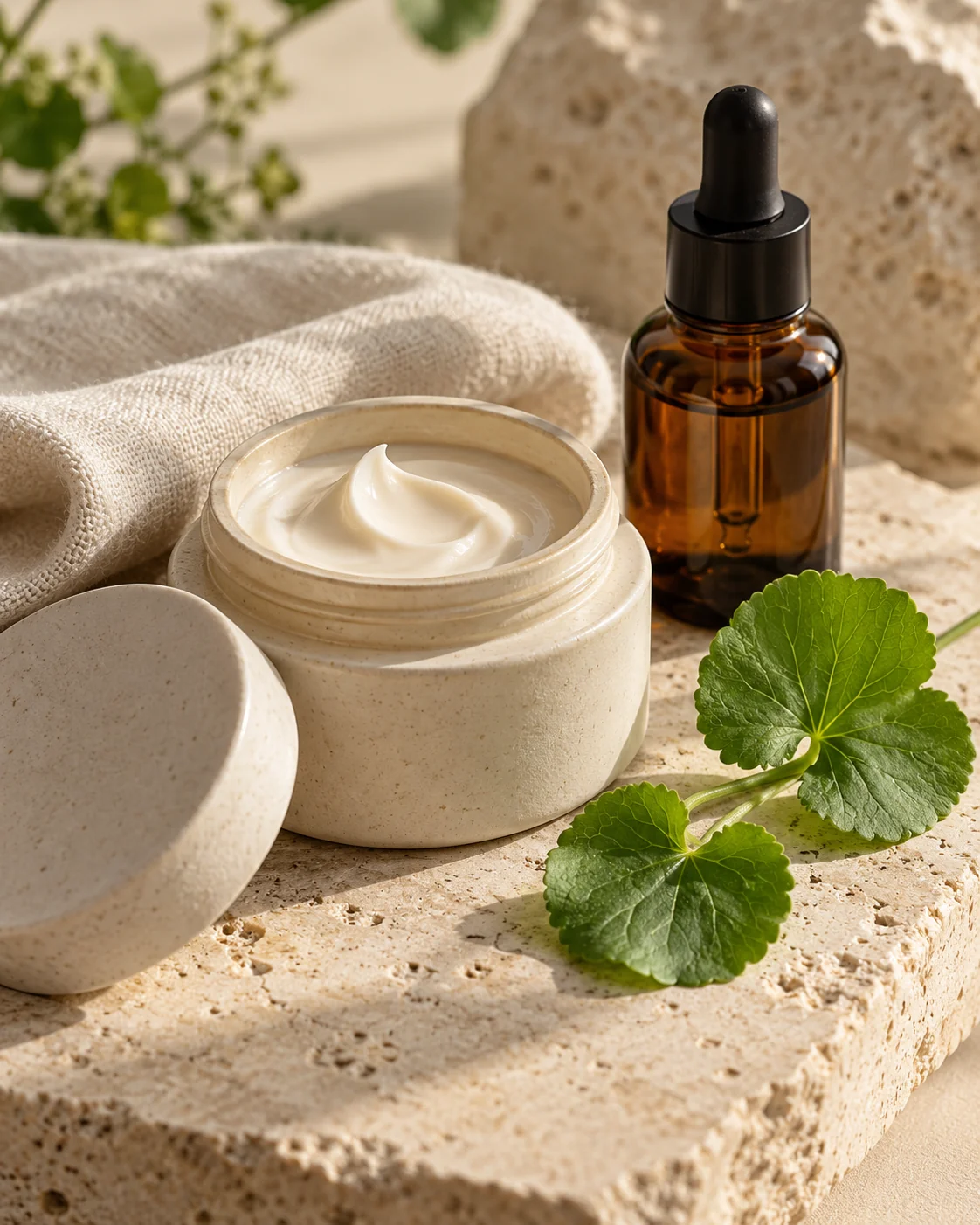
Choose a cosmetic product with a clear ingredient list and directions. Start with a small area, especially if your skin is reactive. Apply a thin layer and follow the recommended contact time; you do not need to wait until your face feels tight and cracked. Remove gently with lukewarm water and finish with a moisturizer.
Avoid vigorous scrubbing, fragrance-heavy blends, and use on broken or inflamed skin. If you have dry or eczema-prone skin, a clay mask may leave you less comfortable; a plain moisturizing ritual is a perfectly good alternative.
Choose a mask for the moment
Start with the condition of your skin today. A face that feels comfortable but a little shiny may respond differently from one that is tight, flushed, or peeling. If your skin is already unhappy, adding a drying or abrasive step can make it harder to settle. You can save the mask for another evening.
Read the formula, not just the color
Green, pink, or gray clay makes a beautiful visual impression, but color alone does not establish purity or suitability. Look for a clearly labeled cosmetic with directions and a manufacturer you can contact. Avoid loose powders of uncertain origin or products promising to draw illness out through the skin.
Use a lighter hand
Apply with clean fingers or a clean tool. A thin, even layer is easier to remove than a thick coat, and there is no need to cover areas that already feel dry. Follow the product's timing rather than waiting for a dramatic cracking effect. When removing it, soften with water and use gentle movements instead of trying to polish the skin.
Leave the rest of the evening uncomplicated. A familiar moisturizer is usually a more comfortable next step than another scrub, peel, or fragrant oil. Notice how the skin feels after the mask and the following morning. If it repeatedly feels tighter or more reactive, that is a reason to change the ritual.
The finished experience should feel elemental and easy: a small bowl or tube, a little time, and skin you are comfortable leaving alone afterward.
Take the landscape, leave the claims
Waterfall sounds, open air, and an afternoon away from a screen can be a pleasure without attributing the experience to negative-ion detoxification. If a skin reaction lasts, spreads, becomes painful, or produces swelling or blisters, seek more care. A botanical beauty practice should leave room for both enjoyment and the information your skin provides.
References & further reading
- FDA — Microbiological Safety and Cosmetics (2024) · government safety guidance
- American Academy of Dermatology — Dry skin: Diagnosis and treatment · professional patient guidance; accessed 2026
- FDA — Allergens in Cosmetics (2026) · government safety guidance
For education and reflection. Individual needs vary. For persistent symptoms or personal guidance, seek additional care from a qualified clinician or appropriate specialist.