Your lymphatic system works quietly in the background, returning excess tissue fluid to the circulation and participating in immune defense. Movement helps the process along. A walk, a stretch break, or simply changing position during a long desk day can be a useful way to bring the body back into the day.
Give movement a regular place
Choose comfortable activity and build it into moments that already exist: a short walk after lunch, gentle ankle movements while seated, or a break between calls. Caring for the skin also matters, especially if you have swelling—keep it clean, moisturized, and protected from cuts.
These are ordinary supportive habits. They do not diagnose or treat a blocked lymphatic system, and tiredness or frequent colds does not prove that lymph is “sluggish.” Swelling can have several causes, including problems unrelated to lymph flow.
Make daily care feel less mysterious
The lymphatic system can sound like something that requires a special technique to switch on. In everyday life, a more useful starting point is to make comfortable movement and skin care easier to include. That might mean changing position between tasks or putting moisturizer where you will remember to use it.
A small movement pause
At a natural break, stand or adjust your seated position, move your ankles comfortably, or take a short walk if that is accessible to you. There is no special sequence that everyone must perform. Choose an amount that feels appropriate for your body and any advice you have already received.
The point is regular opportunity, not a promise to “flush” something out. You can enjoy the feeling of moving after sitting without measuring it against a dramatic detox story.
If swelling is already part of your life
A diagnosed lymphatic condition deserves a plan designed for its location, severity, and cause. Ask for a demonstration of any technique you are expected to use at home, including how to recognize when to stop and seek advice. A video or generic massage routine cannot make those decisions for you.
Keep track of changes that matter: whether swelling is new, where it appears, and whether pain, heat, redness, or other symptoms accompany it. This is useful information to share, not an invitation to diagnose yourself. Clear descriptions make it easier to find the right next step while keeping day-to-day care gentle and manageable.
Be precise about drainage
For diagnosed lymphoedema, trained practitioners may use a tailored combination of compression, exercise, skin care, and specialized massage. This is different from a generic detox treatment. New swelling should be assessed before deep massage or an aggressive home routine.
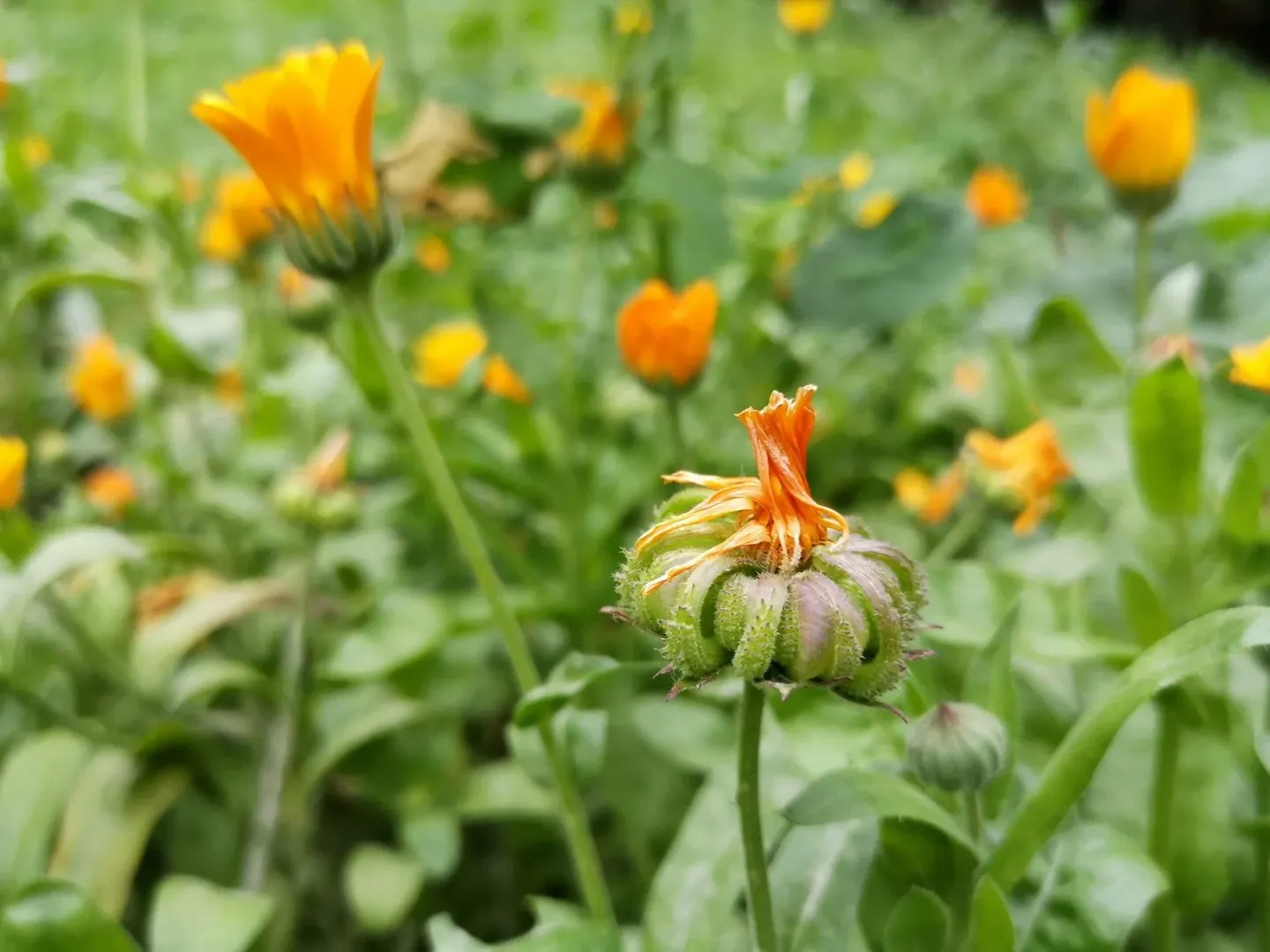
Herbs are sometimes marketed as “lymphagogues,” but reliable human evidence does not show that they selectively drain the pelvis, liver, neck, or kidneys. Calendula, cleavers, red root, stillingia, and Culver's root should not be assigned organ-specific treatment powers from traditional descriptions alone. Pokeweed, Phytolacca americana, is poisonous; do not use it in a home lymph remedy.
When to seek more care
Sudden one-sided limb swelling, especially with pain, needs prompt evaluation; breathlessness or chest pain alongside it is an emergency. Red, hot, painful skin with fever can signal infection. A persistent or growing lymph-node lump, unexplained weight loss, or night sweats also deserves assessment.
Mastitis symptoms and jaundice need cause-specific care; jaundice in a newborn requires prompt assessment and should never be treated with herbal “drainage.” If pokeweed has been swallowed, contact a poison service immediately. Gentle daily care is useful precisely because it leaves room to recognize when the body is asking for something more.
Put it into practice
Naturopathic foundations
What daily habits belong in a lymphatic-care routine?
Break up long stretches of sitting with comfortable movement, keep skin cared for, and notice changes in swelling. Make the plan specific to your body and any diagnosed condition. Persistent swelling needs a clear explanation before an herbal drainage routine is considered.
A mind–body practice
Notice, soften, move
Choose a comfortable position. Notice one area you are holding tightly, then soften it without forcing a stretch. Make a small, easy movement and notice whether it feels welcome. Stay within comfort rather than pushing through pain.
For education and reflection. Individual needs vary. For persistent symptoms or personal guidance, seek additional care from a qualified clinician or appropriate specialist.
References
- NHS: Lymphoedema · Public health clinical guidance
- NHS: Lymphoedema treatment · Public health clinical guidance
- MedlinePlus: Pokeweed Poisoning (2025) · Poisoning safety guidance