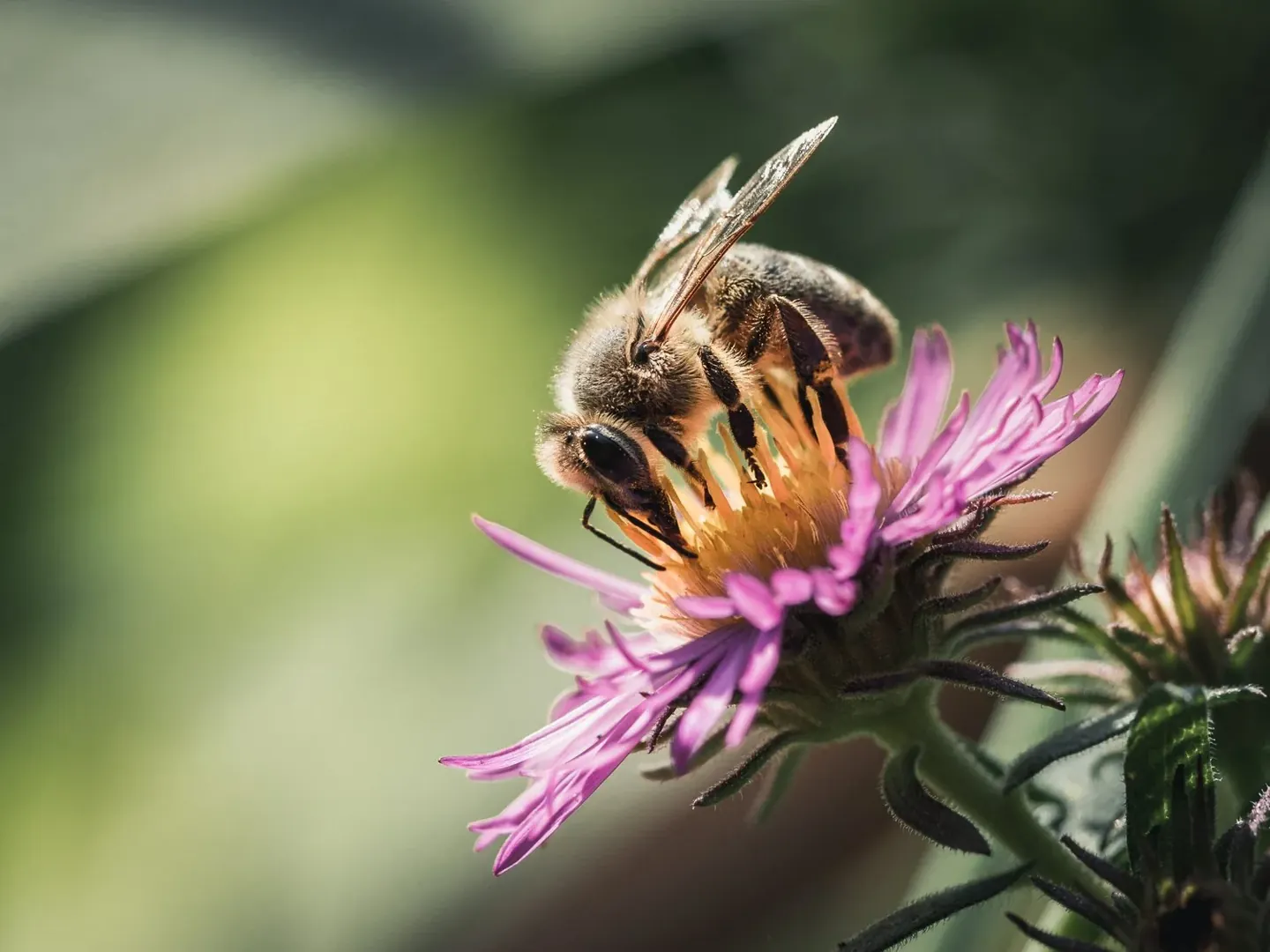
A spoonful of honey brings a particular kind of sweetness: floral, sometimes grassy, sometimes almost smoky. It is also a reminder of the ecological work behind the jar. Bee products are fascinating, but honey, pollen, and royal jelly are not interchangeable foods or remedies.
Honey: let it be delicious
Use honey in a dressing, stir a little into warm tea, or drizzle it over plain yogurt. Its composition varies with floral source. It is still a concentrated source of sugars, and its trace nutrients do not make it a nutritional replacement for whole foods.
Honey can be soothing in a warm drink, but local honey is not a proven way to desensitize seasonal pollen allergy. Do not give honey to babies younger than 12 months because of infant botulism risk. Medical-grade honey used in some wound products is different from the jar in your pantry.
Pollen: interesting, not essential
Bee pollen contains a mixture of plant material and nutrients. That does not establish benefits for energy, immunity, or fertility. It can cause serious allergic reactions, particularly in people with pollen sensitivity. Adding it to a smoothie is not a risk-free upgrade.
Learn the jar before adding it to the routine
Honey offers a lovely opportunity to taste the landscape. Compare a small spoonful of two varieties, or use each in the same simple dressing. Notice the aroma, texture, and finish rather than assuming the darkest color or highest price must offer the greatest health benefit. A producer’s information about origin is useful for understanding the food; it is not a clinical result.
Keep food and extracts distinct
A teaspoon of honey in yogurt, a pollen capsule, and a royal-jelly extract are different exposures. Read the full label, especially on mixtures that also contain herbs or other supplements. If an ingredient is unfamiliar, learn about that ingredient rather than relying on the general appeal of the hive.
It helps to separate three questions: what is the product, what benefit has actually been studied, and is it appropriate for the person using it? A laboratory finding about one compound does not answer all three. Nor does the fact that bees use a substance for a particular purpose tell us what it will do in humans.
Make the ecological connection tangible
If the hive story is what draws you in, learn about plants suited to local pollinators, support a grower whose practices you value, or spend time observing a flowering garden. Those choices offer a direct relationship with the natural world without requiring a daily bee-product supplement. The ritual can be as simple as a well-chosen jar and a little more attention to where it came from.
Royal jelly: keep the claims modest
Royal jelly is a secretion used by bees to nourish larvae and the queen. Small human studies and laboratory findings have inspired wide-ranging wellness claims, but they do not establish it as a treatment for thyroid disease or infertility. Australian regulators require prominent allergy warnings for royal jelly, including cautions for people with asthma or allergies.
For a simple daily ritual, an ingredient you enjoy and tolerate is enough. Avoid bee supplements if you have reacted to them before, and discuss their use during pregnancy or with regular medicines. Mouth or throat swelling, wheezing, or faintness after any bee product requires urgent care. Supporting pollinator-friendly gardens may be the most generous addition to the ritual.
Put it into practice
Naturopathic foundations
How should I think about honey, pollen, and royal jelly differently?
Choose each product for its actual use and your own tolerance rather than treating them as interchangeable. Let ordinary meals provide the nutritional foundation. Bee products can trigger allergy, and honey is not appropriate for infants under twelve months.
Functional tests to consider
Food allergy, celiac disease, and food intolerance require different questions. Keep a clear symptom and food history before removing multiple food groups.
History-directed allergy testing
Specific IgE testing or a supervised skin test may help when the pattern suggests an immediate allergy. Select suspected triggers from the history. A broad positive result without matching symptoms does not, by itself, identify the cause.
Celiac antibodies & total IgA
For persistent digestive symptoms, unexplained iron deficiency, or a relevant family history, tissue transglutaminase IgA with total IgA may help investigate celiac disease. Testing should generally happen while gluten is still being eaten.
A mind–body practice
Meet one living thing
Choose a plant or tree you can observe safely. Spend a few minutes with its shape, color, and movement. You do not need to touch, pick, or consume it. Let curiosity be the whole activity.
A little more clarity
How are food allergy and food intolerance testing different?
Immediate allergic symptoms may call for history-directed IgE or skin testing. Celiac disease has its own antibody tests, usually performed while eating gluten. Intolerance is investigated differently. Food-IgG panels do not establish that a food is causing symptoms.
For education and reflection. Individual needs vary. For persistent symptoms or personal guidance, seek additional care from a qualified clinician or appropriate specialist.
References
- Changes to propolis and royal jelly in listed medicine applications — TGA (2024) · regulatory allergy safety guidance
- Foods and Drinks to Avoid or Limit — CDC (2024) · public health safety guidance