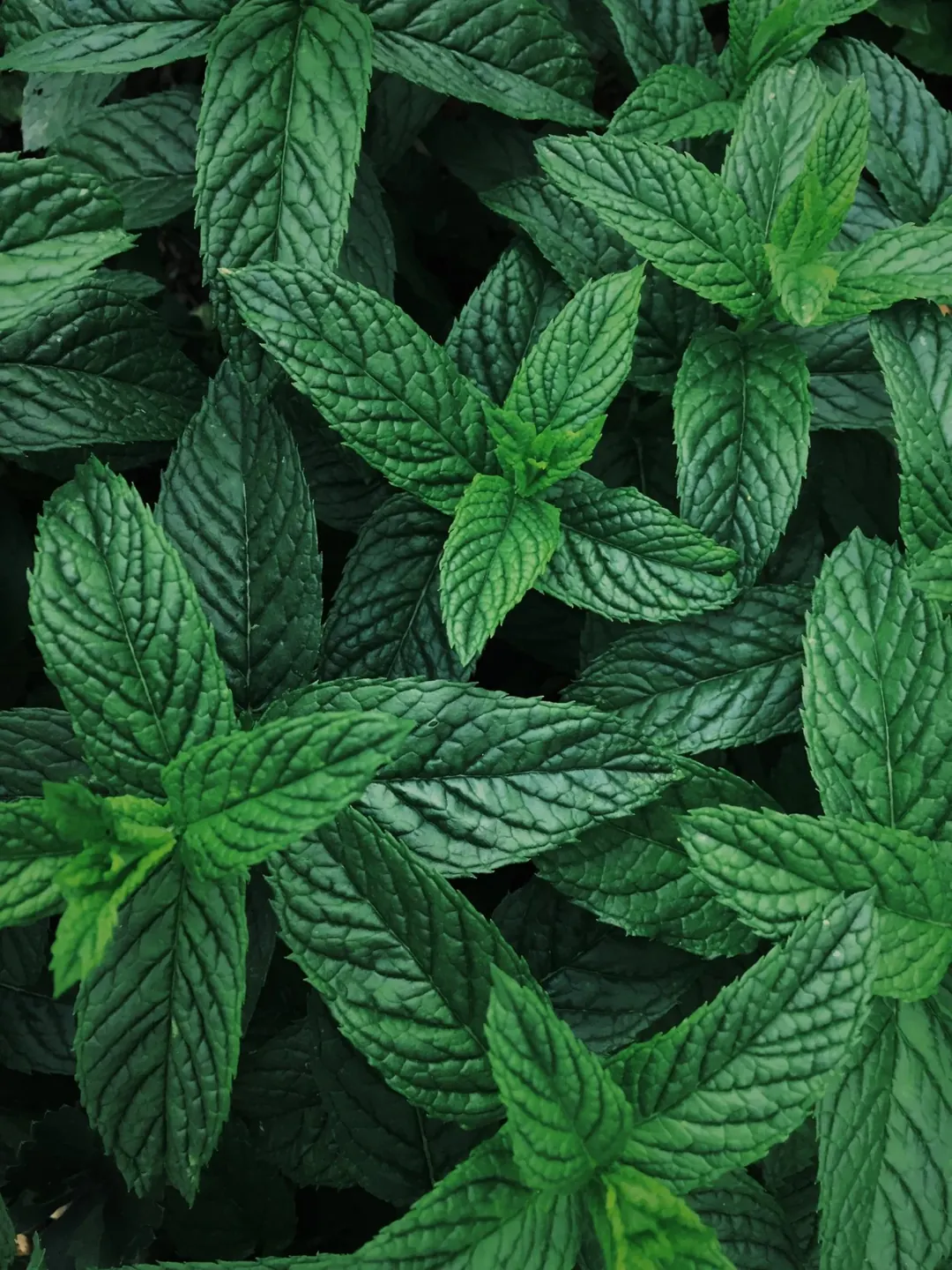
Turn a mugwort leaf over and its character changes. Green gives way to a pale, almost silvery underside. It is a small botanical detail, but one that feels entirely at home with a plant so often associated with thresholds: day and night, waking and dreaming, the visible world and the inner one.
When I first wrote about mugwort, I called it a feminine plant. That is still the thread I want to follow—through its botanical identity, its place in traditional medicine, and the imaginative world that has grown around it.
Meet the plant
Common mugwort is Artemisia vulgaris, a member of the Asteraceae family. “Mugwort” is also used for related plants, so the botanical name matters whenever we discuss a preparation. Plants sharing a common name do not necessarily share the same constituents or uses.
The genus name is commonly associated with Artemis, the Greek goddess of the wild and the hunt. That association gives this plant a particularly evocative place in a botanical journal: a connection with untamed landscapes, feminine presence, and a life lived close to nature. It is an invitation to explore symbolism without making the plant carry every story about the goddess.
Feminine traditions and the dreaming mind
Mugwort appears in traditional herbal accounts of menstrual and digestive care. Its aromatic, bitter character is part of how herbalists have understood it. The reproductive history deserves to be remembered, with enough specificity to avoid turning a broad tradition into a treatment instruction for every woman.
My original essay also explored mugwort’s association with dreamwork and the “third eye.” Within those spiritual interpretations, the plant becomes a companion to intuition, imagination, and attention to the dreaming life. I want to leave room for that relationship. The dream itself—its colors, strange landscapes, and emotional atmosphere—can be meaningful without requiring us to establish that it predicts the future.
A contemporary ritual can be as simple as keeping a dream journal beside the bed and using an illustration of mugwort as a point of contemplation. Write down what remains on waking, before the day begins making demands. A plant can enter our spiritual lives through observation and symbolism as well as through a preparation.
Warmth in Chinese medicine
Chinese medicine brings another botanical and energetic vocabulary. Ai ye, officially sourced from the leaf of Artemisia argyi, is described in Chinese materia medica in relation to warming the channels and dispersing cold. This is a related species, not simply another name for A. vulgaris. The distinction preserves the integrity of both traditions.
Mugwort materials are also associated with moxibustion, a warming practice within East Asian medicine. The language of channels, cold, and warmth belongs to that medical framework. If this approach interests you, seek a qualified Chinese-medicine specialist rather than attempting a burning preparation at home.
The contemporary botanical picture
Human research on common mugwort remains limited. NCCIH describes a preliminary study of a topical product containing both mugwort and menthol, which cannot establish an effect from mugwort alone. We therefore cannot make broad clinical promises from the available evidence. Its traditional and spiritual histories remain rich subjects in their own right.
Mugwort should not be used during pregnancy, and its safety during breastfeeding is not established. Its safety by mouth and on the skin is also insufficiently characterized. For symptoms, or before using a preparation, seek additional care from an appropriate clinician or botanical-medicine specialist.
We can meet a plant with curiosity and discernment at the same time. With mugwort, I would begin by noticing that silvery leaf—and by allowing the story to be as layered as the plant itself.
References & further reading
For education and reflection. Individual needs vary. For persistent symptoms or personal guidance, seek additional care from a qualified clinician or appropriate specialist.