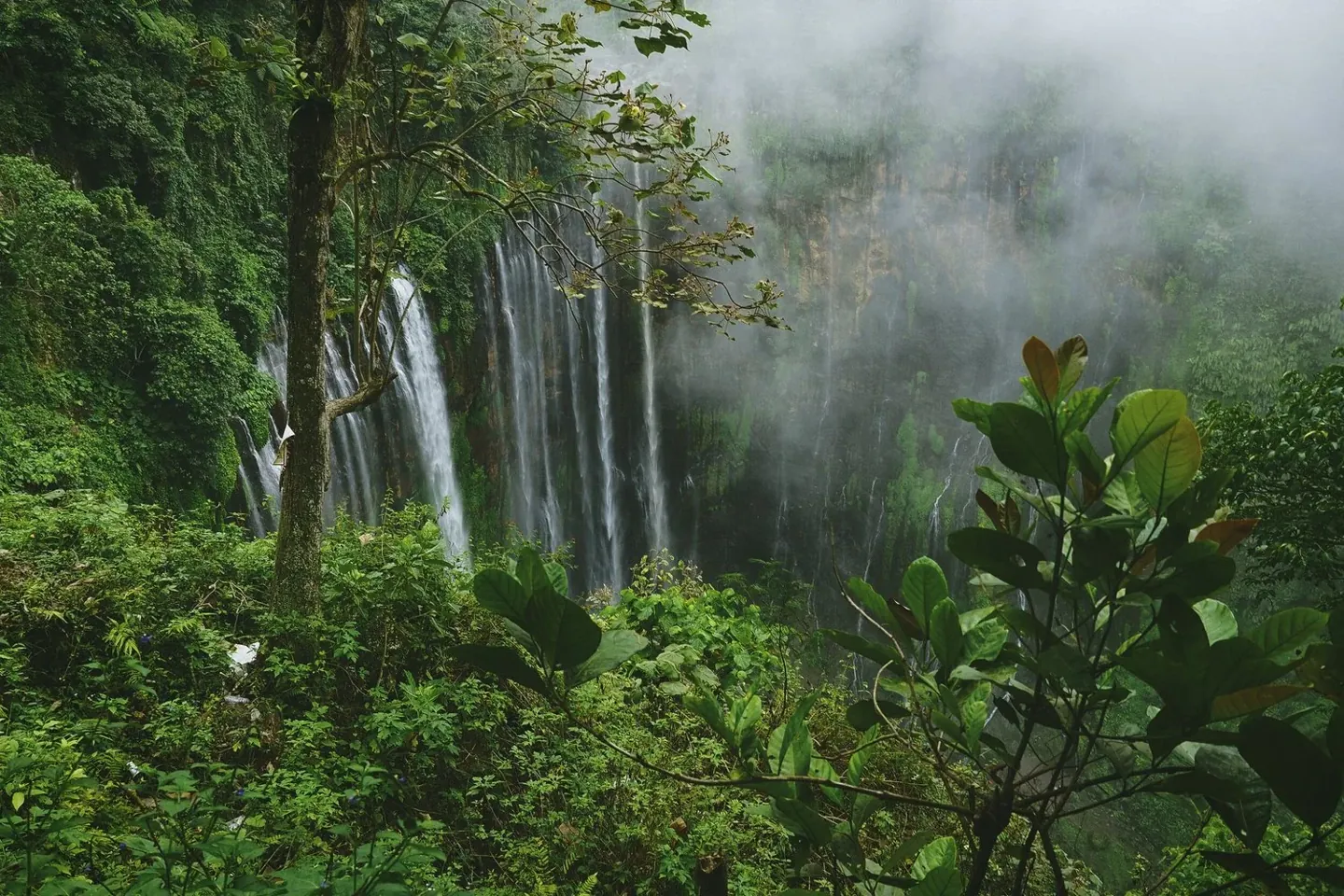
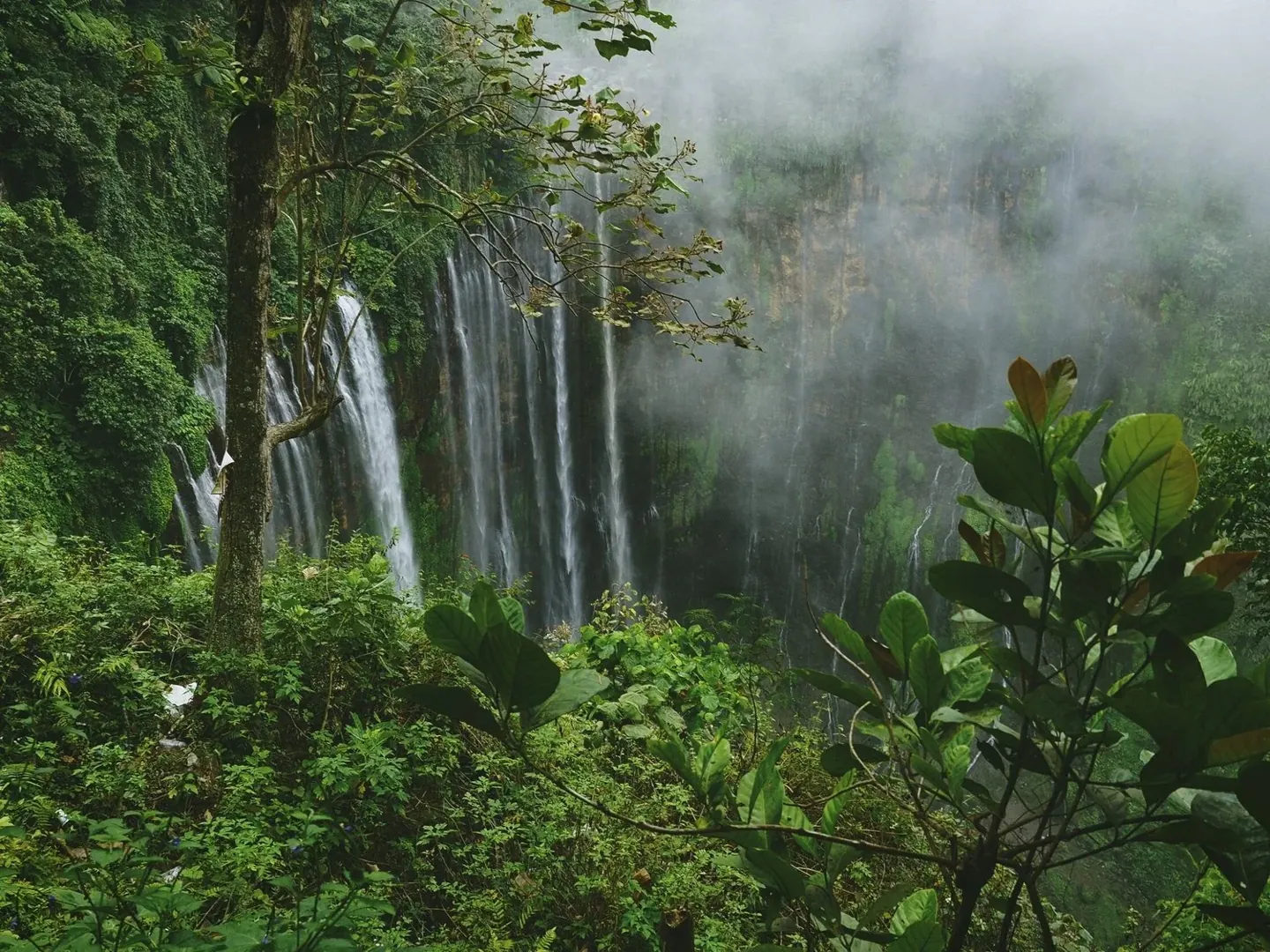
Exploring the Central American rainforest with local plant healers changed the way I looked at the landscape. Leaves, bark, roots, and fruit carried stories that a passing visitor could easily miss. What first appeared to be a wall of green became a living collection of relationships: plants, place, people, and knowledge passed between generations.
My field notes included the local names cat tail, susumba, yama bush, and calabash. The healers described uses for skin complaints, coughs, fevers, and other concerns. Those accounts are meaningful records of traditional practice. They are not, by themselves, evidence that a preparation is safe or effective for a reader to reproduce.
The name is only the beginning
Common names can refer to different species in different regions. Even an accurately identified plant may contain very different substances in its leaves, seeds, roots, and bark. Preparation, quantity, and the person using it matter. Without a verified scientific identity and a clear record of the preparation, a list of medicinal uses can become misleading very quickly.
For this reason, these rainforest notes remain a travel observation rather than a home-remedy menu. The field notes do not establish a reliable species identity for each local name, so learning the botanical identity is an essential next step.
Practice curiosity with respect
Ask permission before photographing a healer or recording a remedy. Learn how plants are cultivated and harvested, and whether a species is protected. Buy from transparent, responsible sources when a properly identified botanical is appropriate. Keeping a field journal can be a beautiful way to deepen attention without harvesting anything at all.
What belongs in a good field notebook
A careful record can honor the depth of a plant tradition without turning a brief encounter into a treatment recommendation. Begin with the place and the person sharing the knowledge, using their preferred name and only recording what they have agreed to share. Note the local plant name exactly as you hear it, rather than replacing it immediately with an English common name.
Observe before interpreting
Look at how the plant grows: tree, shrub, vine, or herb. Notice leaf arrangement, flowers, fruit, bark, and the surrounding habitat. These details can help a qualified botanist establish identity later. They are not enough to certify a plant's safety for ingestion, and a photograph should never be the sole basis for making a remedy.
Keep traditional use in its own voice
There is an important difference between writing “this plant was described to me as part of a local cough preparation” and declaring “this plant cures coughs.” The first preserves what was shared. The second adds a medical conclusion that the encounter cannot support. Respectful documentation can retain context, uncertainty, and the expertise of the person who explained the practice.
It also matters who benefits when traditional knowledge travels. Choose guides and organizations that involve local communities, pay fairly for expertise, and support habitat protection. Some information may be private, sacred, or unsuitable for publication; being told a story is not automatic permission to reproduce it.
The lasting benefit of a rainforest walk can be a more attentive way of seeing. A notebook, a set of permitted photographs, and a clearer understanding of what you still need to learn make a substantial collection to bring home.
Where the boundary is clear
A suspected snakebite, breathing difficulty, severe infection, or high fever needs prompt medical attention. Plant poultices should never delay that care. Traditional knowledge deserves serious study, and a living forest deserves care; neither needs a promise that every illness has a nearby botanical cure.
Source & original context
Personal writing from the original Medicine Wild archive. No new scientific or treatment claims are introduced in this story.