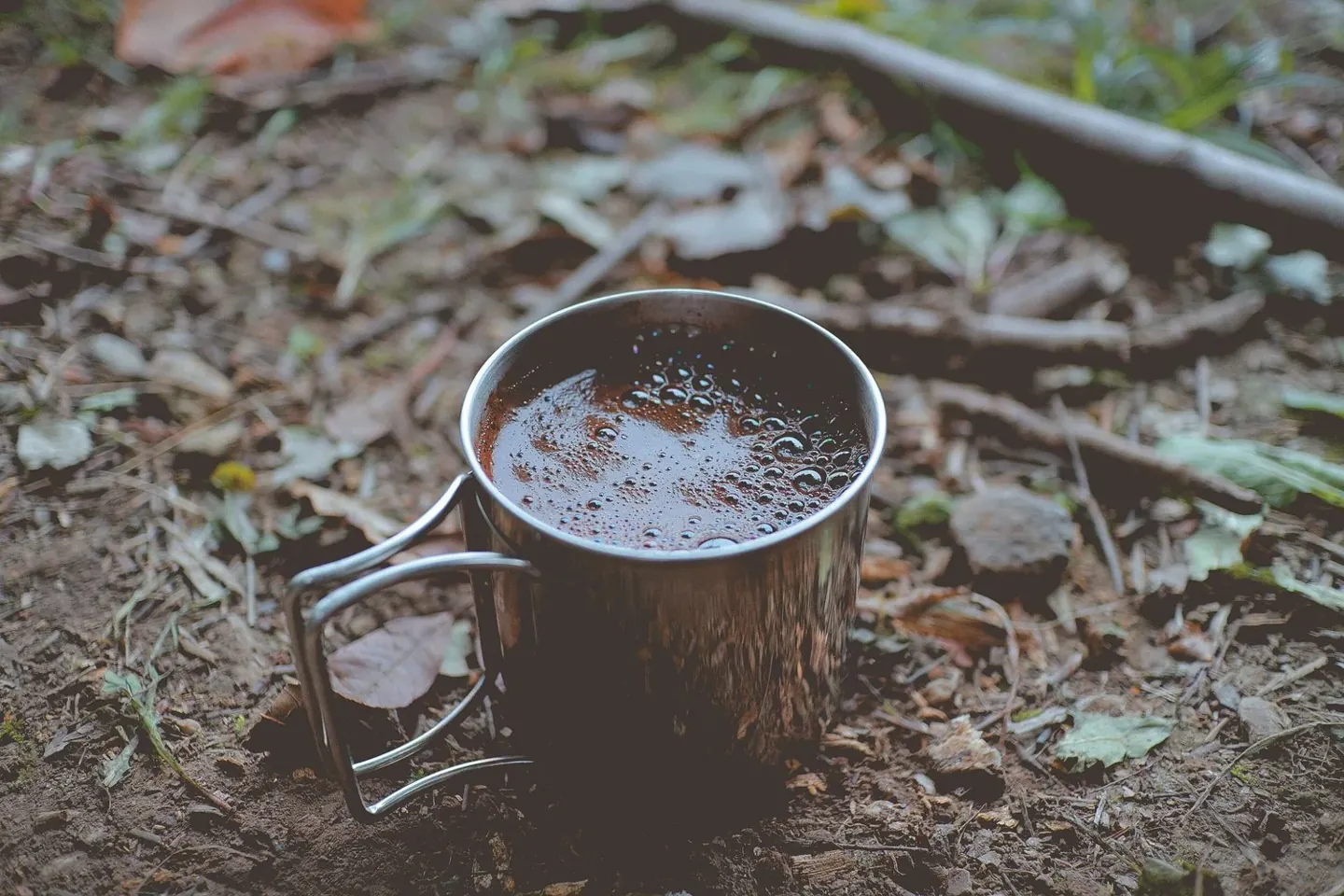
The few minutes while coffee brews can be their own small pocket of calm. Open the curtains, pour a glass of water, and let the morning arrive before the messages do. It is a simple ritual, and one that can be especially welcome if you wake feeling thirsty.
Water supports normal hydration; coffee contributes fluid too. In a controlled study of people accustomed to caffeine, moderate coffee intake did not produce worse hydration than water. There is no established need to drink water first to prevent coffee-related exhaustion.
Start with what you notice
If your mouth feels dry, drink. If you prefer water before coffee, enjoy that order. If breakfast and coffee come first, you have not missed a special window. Overnight water loss varies with room temperature, breathing, perspiration, and many other factors; there is no universal two-percent deficit to correct on waking.
Keep a comfortable pace rather than forcing down multiple large glasses. Needs change with activity, heat, illness, pregnancy, and health conditions. If you have been advised to limit fluid because of heart or kidney disease, follow that individualized plan.
Make the cup work for you
Notice how caffeine affects your body. A smaller cup, a half-caf blend, or an earlier final serving may suit someone who feels jittery or struggles to sleep. If coffee aggravates your stomach, try it with food or choose a different drink. Morning routines can be responsive rather than rigid.
A little daylight and a few minutes of movement can make the transition from bed to day feel more complete. Think of the ritual as an invitation to check in: thirsty, hungry, rested, rushed?
Build a morning around what you enjoy
A small routine is easier to keep when each part has a purpose you recognize. Keep a glass beside the kettle if it reminds you to drink when thirsty. Put breakfast ingredients within reach if mornings tend to become rushed. Choose a cup that feels good in your hands. These details do not need to be optimized to be useful.
The five-minute version
- Open the curtains and give yourself a moment to notice the day.
- Pour water if you want it, then prepare coffee or another familiar drink.
- Set out something to eat if you are hungry, rather than relying on the drink to carry the whole morning.
- Sit for the first few sips before opening a screen, when circumstances allow.
If you are sensitive to caffeine, changing one variable at a time makes your response easier to understand. Try a smaller serving for several days, or move the final cup earlier, rather than changing the entire routine at once. Count coffee in cold brew, energy drinks, and other products when considering the day's pattern; serving sizes can be very different.
Take hydration beyond breakfast
A glass at dawn does not have to do all the work. Make drinking convenient during the day, especially when your activity or environment changes. A reusable bottle can be practical, but no particular size guarantees the right amount for every body. Follow any individualized fluid guidance you have been given.
The routine should leave you with less to think about, not another reason to worry that you have begun the day incorrectly.
When thirst is a clue
New, persistent excessive thirst, frequent urination, unusual fatigue, or recurring dizziness deserves assessment. Those patterns call for more than another wellness rule. For an ordinary morning, a drink you enjoy and enough time to taste it are a very good beginning.
Put it into practice
Naturopathic foundations
How can I make the first drink of the day more intentional?
Keep drinking water accessible and enjoy coffee in an amount and at a time that suits you. Give breakfast a place too. Notice whether the morning rhythm supports appetite and sleep, rather than using a drink to push through another missed meal.
Functional tests to consider
Make drinking water accessible and respond to activity, weather, and personal needs. Persistent excessive thirst, dizziness, or inability to keep fluids down calls for a clinical question beyond a hydration ritual.
Comprehensive metabolic panel
Offers information about electrolytes, glucose, kidney function, and selected liver markers. It can be useful when persistent symptoms, medication use, or a specific health history makes those questions relevant. It does not measure a total “toxin load.”
A mind–body practice
A cup without a second task
While a familiar, well-tolerated tea or warm drink cools, let your hands rest around the cup. Notice its warmth, then three sounds in the room. Take one sip before returning to the day. There is nothing else to accomplish.
A little more clarity
When is hydration a reason to discuss laboratory testing?
When symptoms or a health condition raise concern about glucose, electrolytes, or kidney function. Routine hydration does not require a panel. People with prescribed fluid limits need an individualized plan rather than a universal daily target.
For education and reflection. Individual needs vary. For persistent symptoms or personal guidance, seek additional care from a qualified clinician or appropriate specialist.
References
- Killer et al. — No evidence of dehydration with moderate daily coffee intake (2014) · controlled crossover study
- FDA — Spilling the Beans: How Much Caffeine is Too Much? (2024) · government consumer guidance