Michele’s original diary, in her own words. Additional context follows the story ↓
CRETAN HONEY
The unique flavor is from all the aromatic plants and herbs in the mountains.
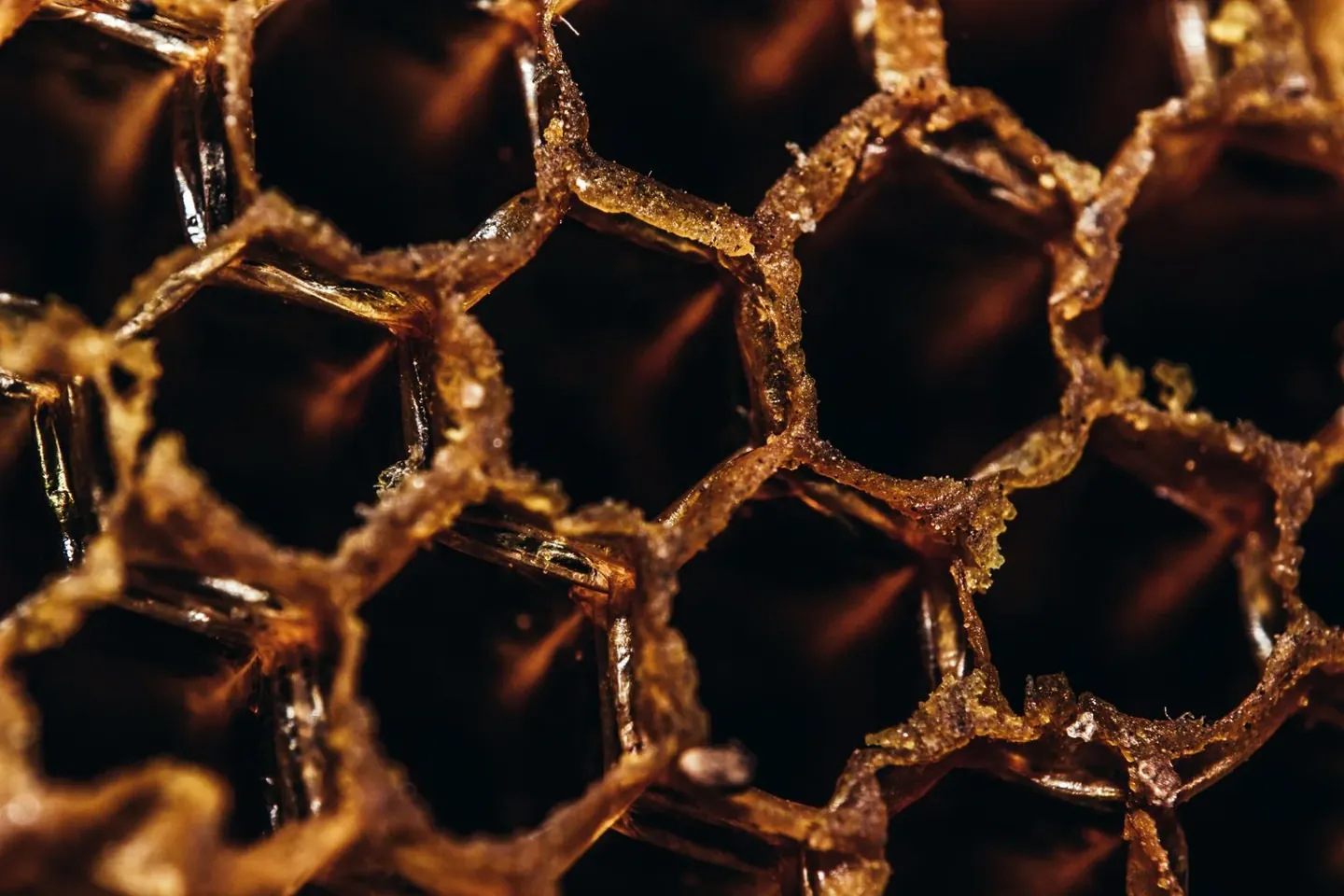
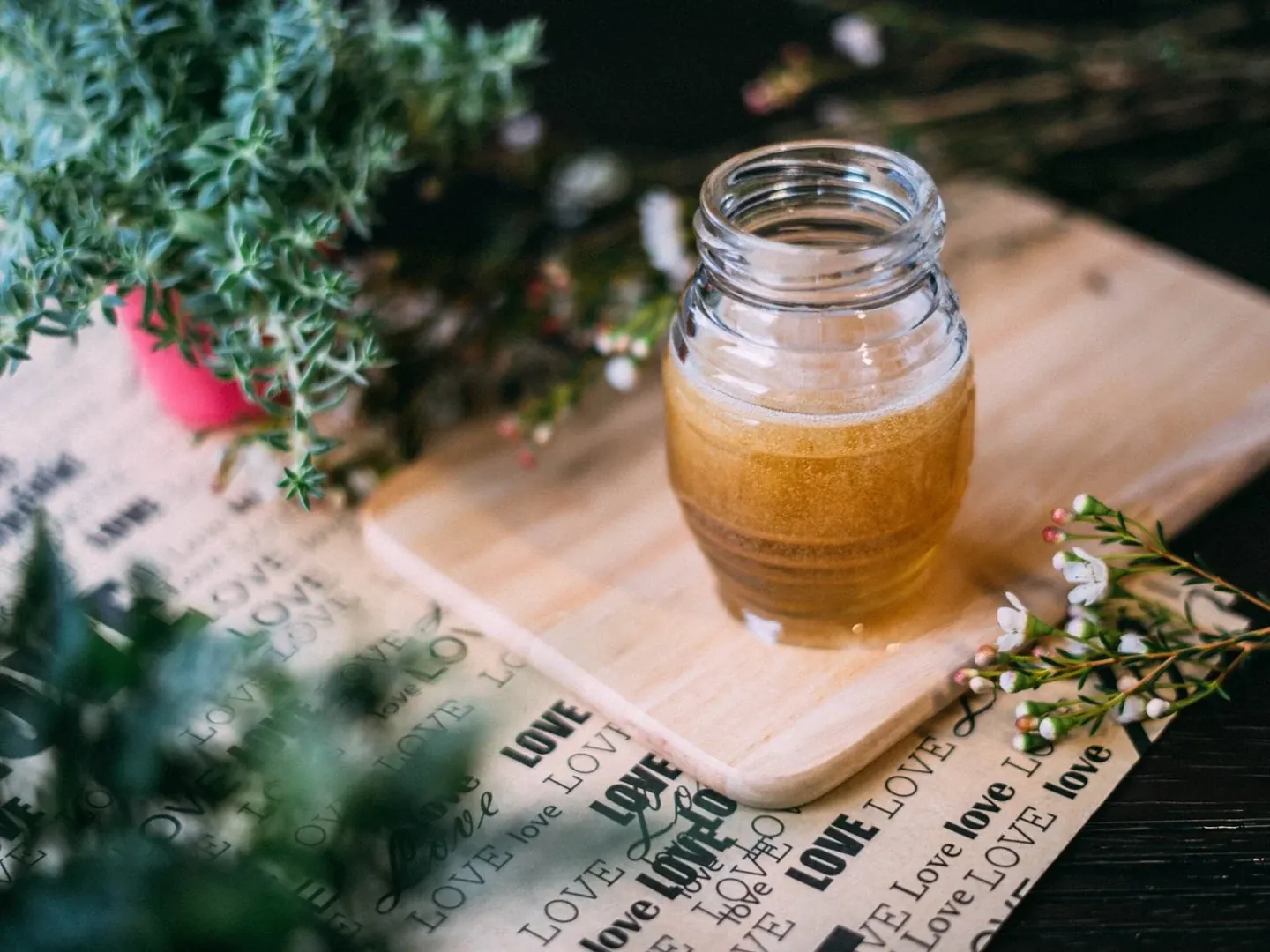
The honey in Crete is internationally known because of its amazing flavor! The unique flavor is from all the aromatic plants and herbs in the mountains. As I hike each morning, I hear the bees buzzing and occasionally spot bee keepers tending to their hives up in the hills.
This sweet snack naturally contains 18 amino acids plus small amounts of many vitamins and minerals. It's a great alternative to sugar because it has been shown to increase athletic performance, decrease allergies, and moisturize skin.
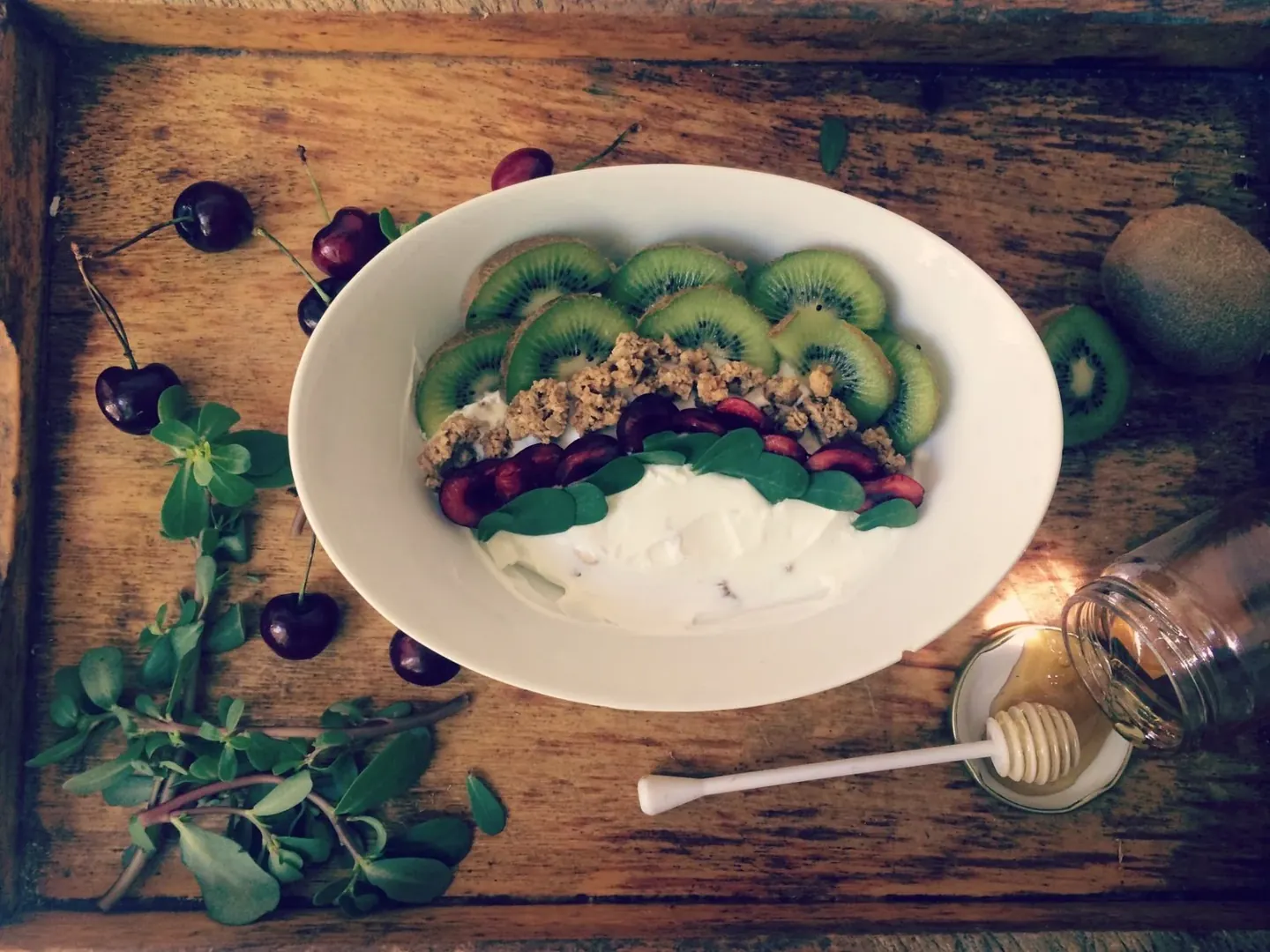
For breakfast, the Greeks add a hint of honey to their Greek yogurt and it's the perfect touch of sweetness.
Each evening I have been using honey as a face mask and mixing it with kiwi, avocado, and bananas. It gives the perfect glow plus honey has antibacterial properties which are great for blemishes.
Science, tradition & further reading
Honey at the table and in a beauty ritual
The original diary preserves the taste, place, and ritual of Cretan honey. Honey remains a source of sugar; small amounts of other constituents do not make it a major source of vitamins or minerals. Evidence has not established eating local honey as a reliable treatment for seasonal allergies. Food honey and medical-grade wound products are different preparations. Avoid honey on irritated or broken skin, and avoid ingredients that cause a reaction. Honey should not be given to children younger than one year.
Original writing: Medicine Wild Greek Diaries · 2015-06-08
Put it into practice
Naturopathic foundations
How can I enjoy Cretan honey as part of an everyday meal?
Let a little honey bring flavor to plain yogurt, oats, or a dish shared with friends. Pair sweetness with a satisfying meal and enjoy the local story behind it. Honey is not appropriate for infants under one year.
Functional tests to consider
Eating well begins on the plate. If you are also investigating metabolic risk, these tests can help put the longer-term pattern in context.
HbA1c & fasting glucose
These help evaluate blood-sugar patterns when metabolic risk, increased thirst, frequent urination, or other clinical clues warrant testing. A1c gives a longer view; a fasting glucose is a point-in-time measurement. Anemia and other conditions can affect A1c.
Lipid panel, with ApoB when useful
For a cardiovascular or longevity review, begin with the lipid pattern and the whole risk picture. ApoB can add information in selected situations, particularly when triglycerides or metabolic risk complicate the picture. It is not a test of whether one food is working.
A mind–body practice
The first three bites
Put the screen away and place both feet on the floor. Before eating, notice the color and scent of the food. Take the first three bites slowly enough to notice their texture, then check in with hunger and comfort.
A little more clarity
Can a single food replace a whole-food eating pattern?
No single ingredient has to carry the whole meal. Look for enough food, a source of protein, varied plants, and a pattern that fits your life. Laboratory results describe specific health questions, not the virtue of an individual food.
For education and reflection. Individual needs vary. For persistent symptoms or personal guidance, seek additional care from a qualified clinician or appropriate specialist.
References
- Rajan et al. — Effect of ingestion of honey on symptoms of rhinoconjunctivitis (2002) · randomized placebo-controlled trial
- NCCIH — Seasonal Allergies and Complementary Health Approaches · government evidence summary; accessed 2026
- FDA — Microbiological Safety and Cosmetics (2024) · government safety guidance
- NCCIH — Honey and seasonal allergies: evidence summary