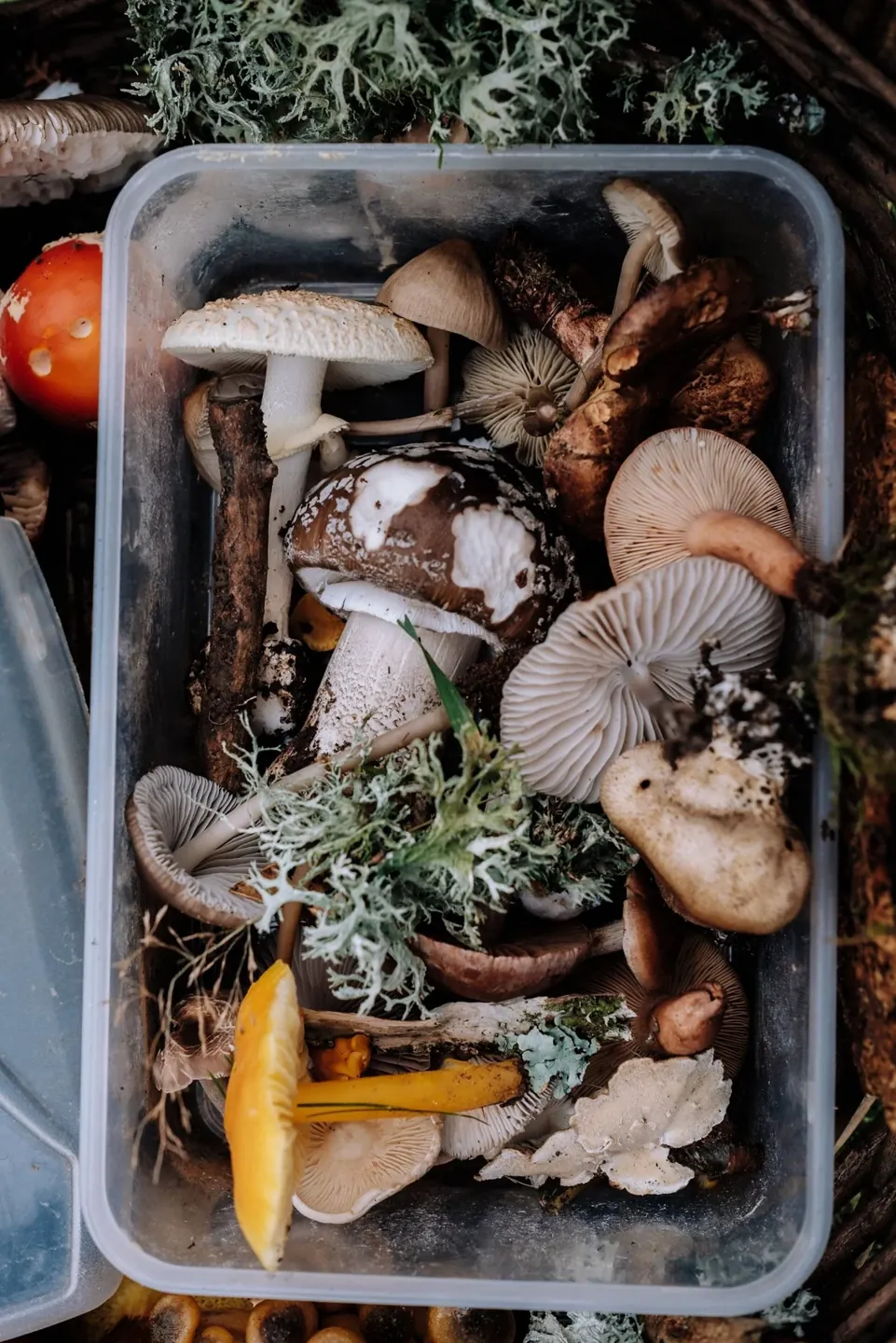
Mushrooms offer a remarkable range of textures and flavors: the savory depth of shiitake, the delicate strands of lion's mane, and the earthy character of a carefully prepared broth. They also occupy a growing corner of botanical research. The interesting part is how different each species—and each studied preparation—really is.
Shiitake: start with dinner
Cooked shiitake brings satisfying umami to soups, grains, and vegetable dishes. A small human feeding study found changes in immune-cell activity after regular consumption, but it did not establish fewer colds or protection from disease. Cook thoroughly; raw or undercooked shiitake can cause a distinctive rash in susceptible people. A serving of mushrooms is not interchangeable with the extract AHCC.
Lion's mane: a promising question
Hericium erinaceus is a culinary mushroom also studied for cognition. Earlier small trials generated interest, but the evidence remains preliminary. In a 2025 placebo-controlled crossover study of eighteen healthy young adults, a single extract dose did not significantly improve overall cognition or mood. That result does not settle every possible use; it does make a guaranteed “brain boost” or nerve-regeneration claim premature.
Turkey tail: preparation matters
Trametes versicolor has been studied through specific extracts, including PSK, in certain cancer-care settings. Those preparations and settings are not equivalent to an over-the-counter powder, a foraged tea, or a general immune tonic. Mushroom products should never replace cancer care, and people receiving treatment need their team to review supplements for compatibility.
Cordyceps: look past the label
“Cordyceps” can describe different species and cultivated products. Small human studies of exercise outcomes are mixed and cannot establish reliable improvements in endurance, oxygen use, sexual function, or kidney health for a generic supplement. The name alone tells you very little about what is in a capsule.
Chaga: caution belongs in the cup
Chaga is rich in compounds that interest laboratory researchers, but robust human evidence for broad wellness claims is lacking. Reports link heavy consumption to serious oxalate-related kidney injury. It is a poor candidate for a casual daily “more is better” ritual, especially with kidney disease or stone risk.
Read a mushroom label like an ingredient list
The name on the front of a pouch is a beginning. To understand what you are buying, look for the scientific species name, the material used, and how it was prepared. A cooked mushroom, a dried powder, and an extracted compound can differ substantially in composition. A study of one is not a promise about the others.
Ask what the study actually measured
A change in a laboratory immune marker is different from fewer infections. A result on one memory task is different from a noticeable improvement in daily functioning. A small trial is useful for identifying a question worth studying, but it may not be large or long enough to show how reliably a product helps.
Keep blends understandable
A mixture containing several mushrooms, herbs, and stimulants can make it difficult to know which ingredient produced an effect or a side effect. It can also make comparison with research almost impossible. More species on a label does not establish more benefit.
Enjoy the culinary route
For dinner, the decision is much simpler. Buy mushrooms sold for food by a reliable supplier, follow suitable cooking guidance, and choose the texture you enjoy. Shiitake can add depth to a broth; lion's mane can bring a different bite to a sauté. Use familiar seasonings and let the mushrooms be part of a varied meal.
Foraging requires a different level of expertise. Never use an image match or a supplement label as a guide to collecting wild fungi. The pleasure of mushrooms does not depend on harvesting them yourself.
Choose with discernment
For a food experience, buy identifiable culinary mushrooms from a reliable supplier and cook them appropriately. For an extract, look for the scientific name, species and part used, extraction details, dose, and independent identity and contaminant testing. Immune conditions, blood-thinning medicines, pregnancy, and cancer treatment call for a compatibility review before supplements.
Persistent fatigue, memory changes, or recurrent infections deserve their own assessment. Mushrooms can make a meal more interesting while the research continues to ask more specific questions.
References & further reading
- Dai et al. — Consuming Lentinula edodes (Shiitake) Mushrooms Daily Improves Human Immunity (2015) · human dietary intervention; immune biomarkers
- Surendran et al. — Acute effects of a standardised extract of Hericium erinaceus on cognition and mood (2025) · randomized placebo-controlled crossover trial
- National Cancer Institute — Medicinal Mushrooms (PDQ) (2024) · government evidence summary
- Kwon et al. — Chaga mushroom-induced oxalate nephropathy (2022) · case report
For education and reflection. Individual needs vary. For persistent symptoms or personal guidance, seek additional care from a qualified clinician or appropriate specialist.