A long journey feels different when your essentials are within reach: a water bottle, something good to eat, a soft layer, and a sleep mask. The best travel rituals reduce friction. They leave you with more attention for the place you came to see.
1. Keep water close
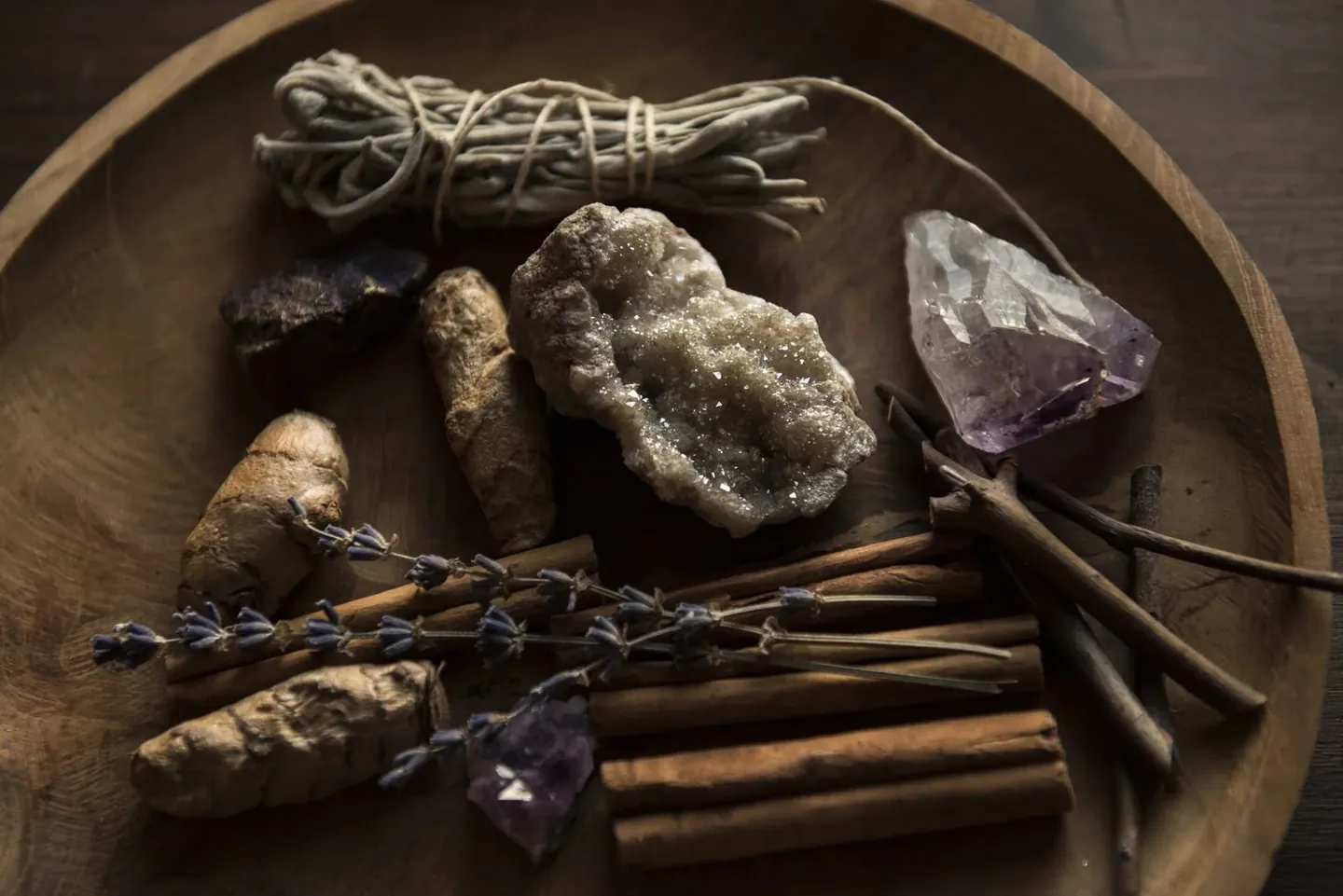
Drink regularly according to thirst and your needs. Cabin air can feel drying, but there is no need to force excessive water. Ginger slices add flavor if you enjoy them; they do not sterilize a drink. Choose safe drinking water at your destination.
2. Pack something satisfying
Nuts, an easy sandwich, roasted chickpeas, or fresh fruit where permitted can save a hungry layover. Check customs rules before carrying produce across borders. Keep perishable food cold, and do not assume dried foods retain every nutrient unchanged.
3. Move a little, often
During long periods of sitting, flex your ankles and use safe opportunities to stand or walk. People with a history of clots, recent surgery, pregnancy, or other risk factors need an individual travel plan. Hydration alone does not prevent a travel-related blood clot.
4. Make rest easier
A sleep mask, earplugs, and a light layer are often more useful than a new sedating supplement. Once you arrive, a manageable schedule and exposure to local daylight can help create a rhythm. Avoid driving when significantly sleep-deprived.
5. Bring familiar comforts
A plain moisturizer can soothe dry-feeling skin. Facial mists and essential oils do not prevent infection, and fragrance may bother nearby passengers. Keep any usual medicines accessible and clearly labeled; a mystery cold-and-flu tincture is an unreliable travel backup.
Seek urgent help for chest pain, sudden breathlessness, or one-sided leg swelling. Persistent fever, dehydration, or severe diarrhea during or after travel also deserves attention, with your travel history included. Preparation should make room for enjoyment, not turn a suitcase into a supplement cabinet.
Pack for the journey you are actually taking
A short train ride and an overnight flight need different levels of preparation. Lay out the few things that will make the most difference before adding extras: water access, food you can safely carry, a layer for changing temperatures, and anything you normally need at a particular time. Keep those items in the bag you will have with you, not buried in luggage you cannot reach.
Build a small comfort pouch
A sleep mask, plain lip balm, a familiar moisturizer, tissues, and a spare pair of socks may be enough. Choose products you already tolerate. A travel day is rarely the best moment to discover how a new essential-oil blend or sedating supplement affects you. Decant only when the container remains suitable and the contents can be clearly identified.
Leave space on arrival
If the schedule allows, keep the first evening simple: a meal, a little unpacking, and time to settle. Make the next day’s essentials easy to find before going to sleep. A brief walk in a safe, familiar area can help you get oriented, but there is no need to turn arrival into a workout or a long sightseeing session when you are exhausted.
For trips with a time-zone change, regular medicines, mobility needs, or a complex health history, sort out the practical plan in advance. That can include how to keep supplies at the right temperature and who to contact if something goes wrong. The purpose is to make room for the pleasure of the trip, with fewer decisions left to a tired moment.
Put it into practice
Naturopathic foundations
What foundations are easiest to protect while traveling?
Pack a dependable snack, keep drinking water accessible, and plan for rest across the journey. Leave space for movement and a slower first day if possible. The goal is to arrive with enough support for your body, not to execute a perfect routine in transit.
A mind–body practice
Come back to the room
Keep your eyes open and look around slowly. Notice three colors, two sounds, and the support beneath your feet or body. Allow your breathing to stay comfortable. Choose one small next action instead of solving the whole day.
For education and reflection. Individual needs vary. For persistent symptoms or personal guidance, seek additional care from a qualified clinician or appropriate specialist.
References
- Blood Clots During Travel — CDC · public health guidance