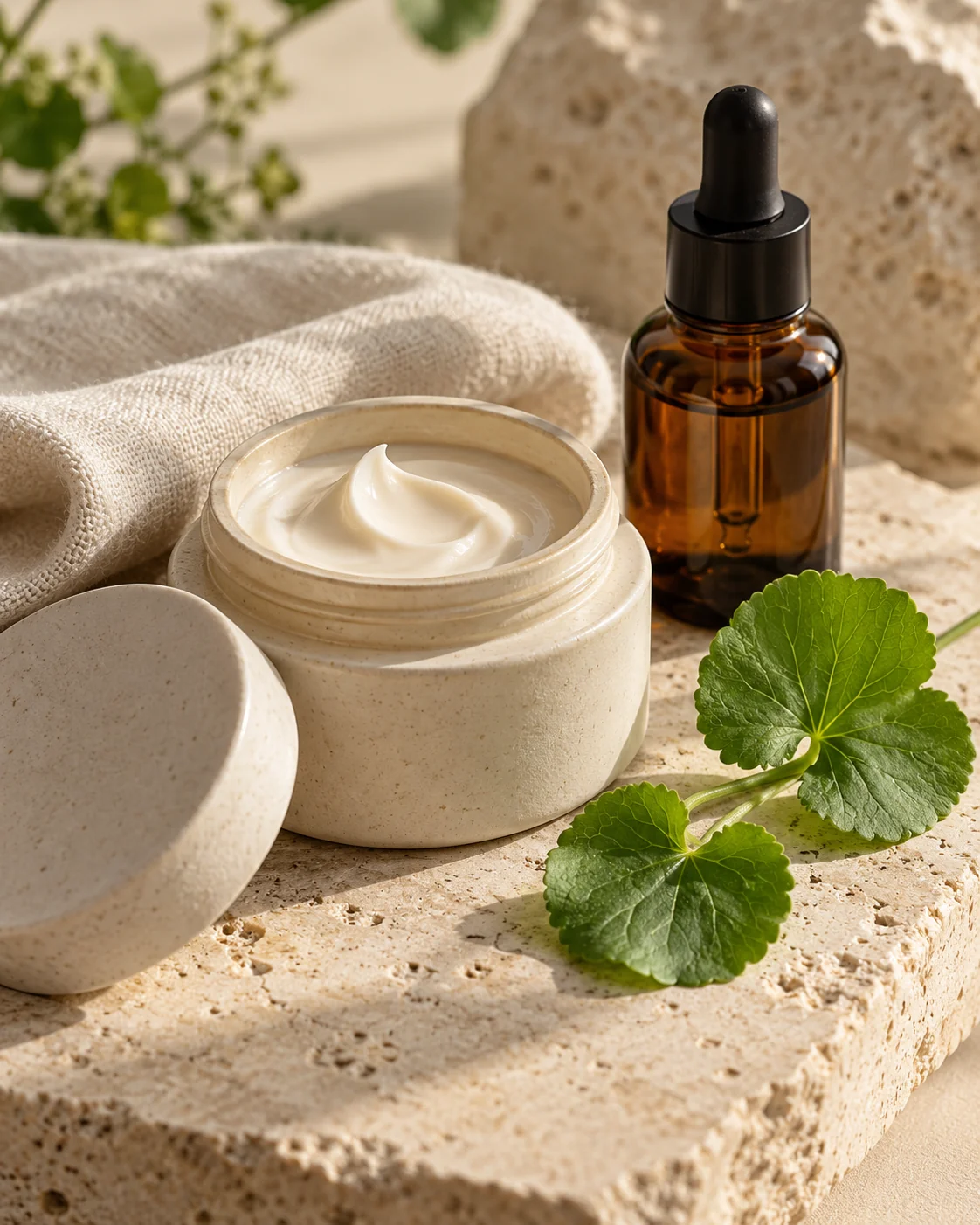
Massaging a little cleansing oil over the face can make the evening wash feel less hurried. The texture gives fingers an easy glide, and oil can help dissolve oil-based makeup and other residue. For someone whose skin feels tight after washing, a gentler cleansing experience may be welcome.
Oil cleansing is one option in a larger routine. Skin does not need to be stripped until it squeaks, but it also does not need an elaborate oil blend to “rebalance” itself. The familiar claim that washing automatically causes a compensatory overnight oil surge is too simple an explanation for acne or oily skin.
Choose an easy-to-remove formula
A formulated cleansing oil or balm with an emulsifier is designed to mix with water and rinse away. Follow the label, use gentle pressure, and avoid prolonged rubbing. If residue remains or your product directions call for it, follow with a mild cleanser.
A soft cloth can help, but keep the water comfortably warm rather than hot. Warmth does not open pores like little doors, and repeated steaming can leave sensitive skin more irritated.
Keep the blend simple
Castor, rose hip, and jojoba oils often appear in homemade blends, but there is no established ideal ratio. Castor oil can irritate some people. Rose hip oil is an emollient, not a natural equivalent of prescription tretinoin, nor a dependable source of water-soluble vitamin C.
If you prefer a plain oil, test a small area first and choose one you know you tolerate. Household oils can be difficult to remove and may worsen congestion on some faces. Avoid adding essential oils for fragrance or “antibacterial” action.
Follow the texture from oil to rinse
With a formulated cleansing oil, begin according to the product's directions—often on dry hands and dry skin. Use enough to give a gentle glide, and work it over the areas where makeup or sunscreen needs loosening. There is no need for a long facial massage if friction makes your skin reactive.
Add water gradually
An emulsifying product often turns milky when water is added. Work in a little water with light movements, then rinse thoroughly. That change in texture is part of the formula's design, helping the oil and loosened residue wash away.
Use the cloth gently
If you like a cloth, choose a soft, clean one and avoid repeated passes over the same area. A cloth is a tool for removal, not a reason to exfoliate every night. Wash and dry it between uses rather than leaving a damp one beside the sink indefinitely.
Decide whether another cleanse helps
Some people prefer a second mild cleanser after an oil product, especially when removing substantial makeup. Others find that one rinseable cleanser leaves the skin comfortable. Follow the formula's guidance and your own response rather than assuming that more cleansing is always more thorough care.
Keep a new routine consistent for long enough to observe comfort, while stopping promptly if irritation appears. Do not interpret itching or a cluster of new breakouts as evidence that impurities are being released. The useful outcome is much more ordinary: residue removed, skin comfortable, and a bathroom routine you can finish without fuss.
What cleansing does to the microbiome
The idea of a living skin ecosystem can make washing sound suddenly suspect. Yet caring for resident microbes does not mean leaving makeup, sunscreen, and the day’s residue in place. The useful question is how a finished cleanser behaves on skin.
In research published in 2025, tested mild cleansing bars and body washes preserved measured bacterial diversity over two to four weeks. The work used arm and leg sites, and all authors were Unilever employees. It offers reassurance about those particular formulas; it does not prove that every cleanser is gentle or that an oil cleanse improves microbial health. The reported microbial network changes were research measurements, not proof of fewer rashes or better long-term skin health. Read the research.
There is room for a more relaxed bathroom philosophy here. You can appreciate the microbiome and still wash your face. You can enjoy an oil’s texture without giving it the job of disinfecting the skin. And you can finish with one comfortable cleanse when that removes what you need it to remove.
The formula matters more than the fantasy
A rinseable balm contains more than botanical oils: ingredients that help it meet water are what turn a pleasant massage into a practical cleansing step. Compare how easily it rinses, whether it leaves your eyes comfortable, and how your skin feels afterward. A long ingredient list is not automatically a problem, just as a two-ingredient product is not automatically a good fit.
Leave homemade additions out of the bottle. A splash of water or herbal tea changes a product’s preservation needs; a few drops of essential oil change its fragrance and irritation profile. The finished formula was designed as a whole. The safest experiment is choosing a different finished product rather than redesigning the one you have at the sink.
For the broader picture, read our skin-microbiome feature. The evening ritual can stay beautifully ordinary: clean hands, light pressure, a thorough rinse, and a texture your skin welcomes.
Let the finish be comfortable
Pat dry, apply a familiar moisturizer if needed, and notice how the skin feels over the following days. Tightness, itching, or new breakouts are useful feedback, not a detox phase to push through.
Persistent acne, painful lesions, or recurrent dermatitis deserves an individual plan. The best evening ritual is the one that reliably leaves your face clean and comfortable, with enough simplicity that you will keep doing it.
References & further reading
- American Academy of Dermatology — Dry skin: Diagnosis and treatment · professional patient guidance; accessed 2026
- Danby et al. — Effect of olive and sunflower seed oil on the adult skin barrier (2013) · small controlled human studies
- FDA — Aromatherapy (2023) · government safety guidance
- Cheviti et al. — Mild skin cleansers and skin microbiome diversity (2025) · short human cleansing studies; all authors employed by manufacturer
- FDA — Microbiological Safety and Cosmetics · regulatory safety guidance
For education and reflection. Individual needs vary. For persistent symptoms or personal guidance, seek additional care from a qualified clinician or appropriate specialist.