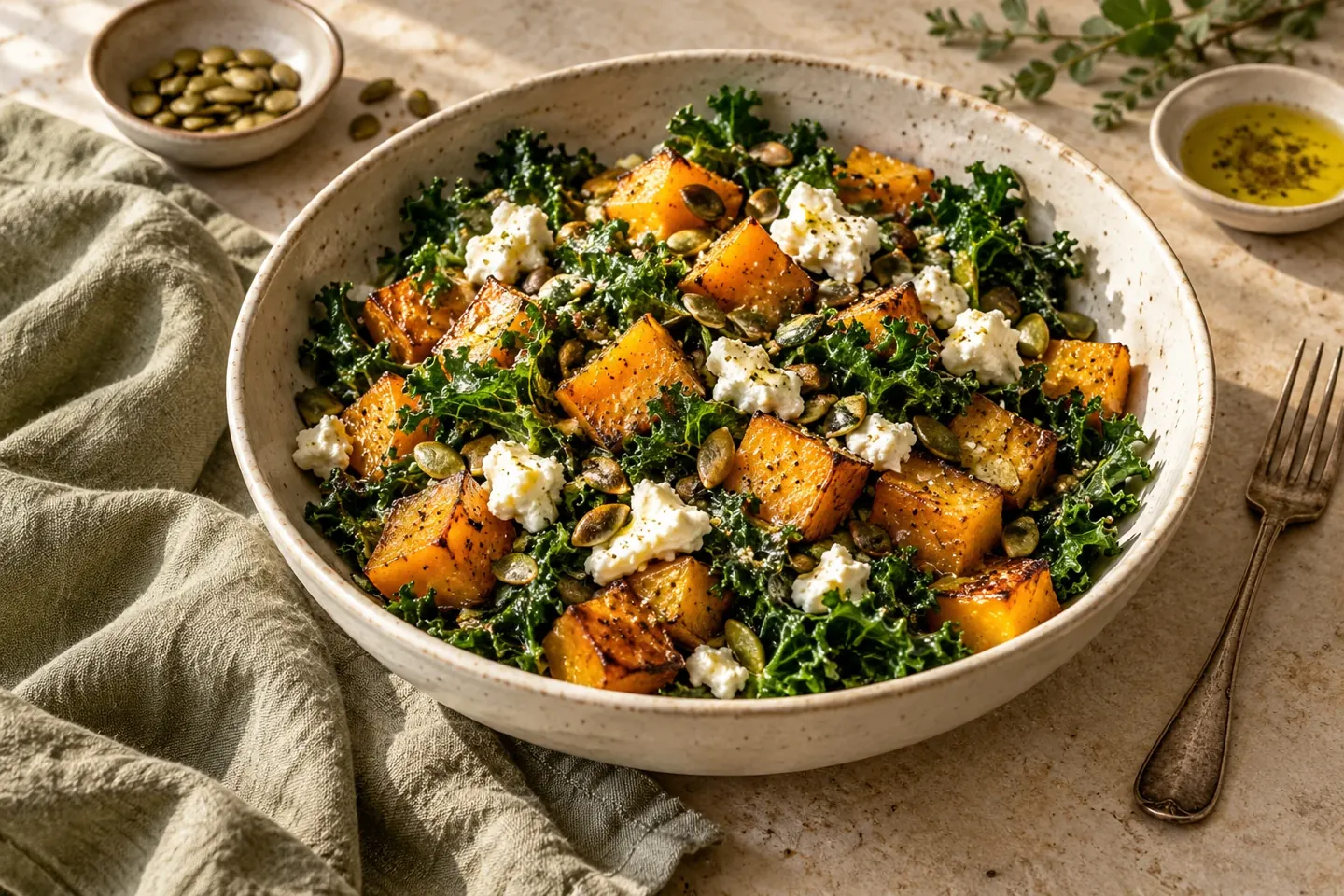
A good olive oil makes ordinary food feel considered. A little over warm beans, a glossy finish on roasted vegetables, a peppery dressing for tomatoes: its value is partly that it makes nourishing ingredients more delicious.
Start with extra virgin
Extra-virgin olive oil is a quality grade defined by production methods and chemical and sensory standards. Modern oils are often extracted with centrifuges, so “first cold pressed” is not the only marker of a good bottle. “Pharmaceutical grade” is not a standard olive-oil quality category.
Look for a clearly identified producer, a harvest or best-before date, and packaging that limits light. Buy a quantity you will use while it still tastes fresh. Reputable quality testing can add reassurance, but an old survey of selected supermarket bottles cannot tell you what is in every bottle sold today.
Give freshness a chance
Store oil tightly closed in a cool, dark place, away from the stove. Taste it on something simple. Depending on the variety, a fresh oil may taste grassy, fruity, bitter, or peppery. Choose a flavor you enjoy enough to use regularly; it need not be the most expensive one on the shelf.
Olive oil fits a Mediterranean eating pattern, particularly when it replaces some saturated fat. Research supporting that pattern is stronger than claims that a particular bottle builds bone, improves memory, or prevents disease by itself. It is an ingredient, not a supplement you need to take by the spoonful.
Taste before you choose its job
Pour a little oil into a small clean dish and smell it before tasting it with bread or a plain cooked bean. Notice whether the flavor feels fresh and appealing to you. An assertive, peppery oil might be lovely on lentils or greens; a gentler one may suit a delicate salad. Flavor preference is a useful part of choosing a bottle you will actually finish.
A dressing worth remembering
Begin with roughly three parts olive oil to one part lemon juice or vinegar. Add a little mustard if you like, then whisk and taste. The ratio is a starting point, not a rule: tomatoes may need less acidity, while rich beans may welcome more. Add fresh herbs just before serving.
For a warm dish, try finishing the plate with a small drizzle after cooking. This lets you enjoy the aroma without needing a large quantity. Oil is also useful within cooking; you do not have to reserve every good bottle exclusively for salads.
Buy for your real kitchen
A smaller bottle can make sense if you cook occasionally. If your household uses oil daily, a larger container may be practical, provided you can keep it tightly closed and away from light and heat. Choose the format that makes freshness easy in the way you actually live.
Kitchen oil and skincare are different questions
The same oil raises a separate question in skincare. Human skin studies are mixed: a 2013 study raised barrier concerns, while a small 2025 study in healthy adults found some favorable short-term measures. Neither makes kitchen oil an ideal treatment for eczema, acne, or infant skin.
If your skin is reactive, a well-tolerated formulated moisturizer is a more predictable choice. Save the oil you love for its most pleasurable job: helping vegetables, grains, and a shared meal taste their best.
Put it into practice
Naturopathic foundations
What makes an olive oil a good choice for my kitchen?
Choose a flavor you enjoy and a bottle you will use while it is fresh, following storage guidance away from heat and light. Make it easy to dress vegetables, beans, or a shared meal. The best kitchen routine is one that actually gets used.
Functional tests to consider
The foundations include movement, nourishing meals, sleep, tobacco exposure, and blood pressure. A lipid assessment adds information to that wider cardiovascular picture.
Lipid panel, with ApoB when useful
For a cardiovascular or longevity review, begin with the lipid pattern and the whole risk picture. ApoB can add information in selected situations, particularly when triglycerides or metabolic risk complicate the picture. It is not a test of whether one food is working.
Lipoprotein(a)
A largely inherited cardiovascular risk marker that can add useful context to a prevention plan, particularly with a family history of early cardiovascular disease. It is usually a baseline risk question, not a frequent progress check.
A mind–body practice
The first three bites
Put the screen away and place both feet on the floor. Before eating, notice the color and scent of the food. Take the first three bites slowly enough to notice their texture, then check in with hunger and comfort.
A little more clarity
What can ApoB and lipoprotein(a) add to cardiovascular testing?
ApoB can refine risk in selected lipid patterns; lipoprotein(a) adds a largely inherited component of risk. They complement the history and standard measurements. Neither is a reason to judge a single meal or to promise that an herb can treat heart disease.
For education and reflection. Individual needs vary. For persistent symptoms or personal guidance, seek additional care from a qualified clinician or appropriate specialist.
References
- UC Davis: Olive and Avocado Oil Research (2026) · University research and consumer guidance
- Primary Prevention of Cardiovascular Disease With a Mediterranean Diet Supplemented With Extra-Virgin Olive Oil or Nuts (2018) · Randomized clinical trial; corrected PREDIMED publication
- Effect of Olive and Sunflower Seed Oil on the Adult Skin Barrier (2013) · Small randomized human skin study
- Effects of Extra Virgin Olive Oil and Petrolatum on Skin Barrier Function and Microtopography (2025) · Within-person randomized study in healthy adults