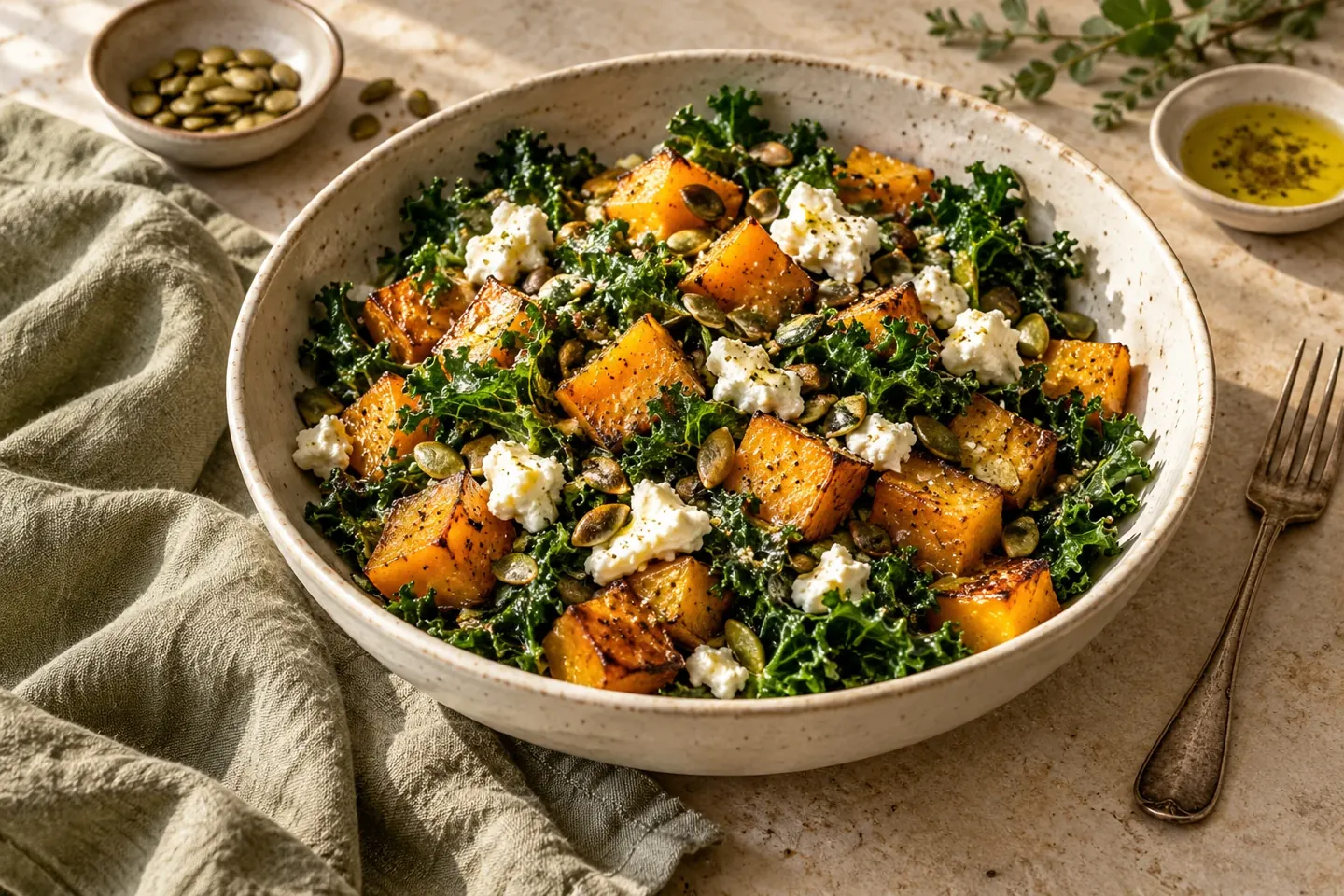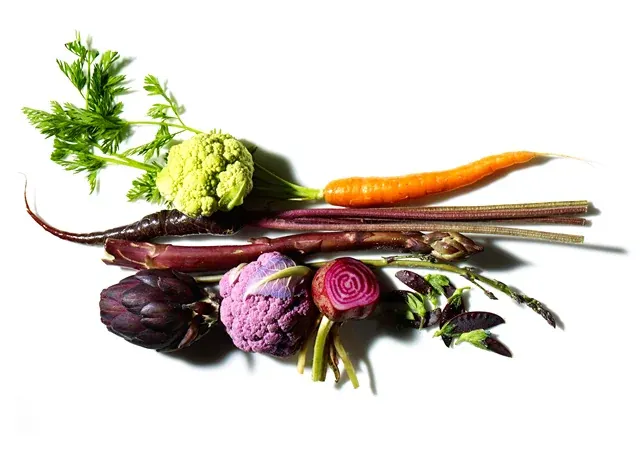
A market haul becomes more interesting when the salads have different personalities. One can be cool, crisp, and bright; another warm, bitter, and richly dressed. The cucumber salad is adapted from a recipe credited to Simply Recipes; the grilled radicchio brings a warmer, more savory contrast.
Cucumber, mint, and feta
For four servings, combine 1 pound thinly sliced mild cucumbers, ¼ thinly sliced red onion, 2 or 3 sliced radishes, and 10 finely sliced mint leaves. Add a little white vinegar and olive oil, then season to taste. Just before serving, scatter over ¼ pound crumbled feta. Toss gently and serve promptly so the cucumber stays crisp.
Grilled radicchio with balsamic dressing
Quarter 2 heads of radicchio, leaving enough of the core to hold each wedge together. Brush with olive oil and season lightly. Grill over direct heat, turning as needed, until the leaves soften and the edges develop a little color. Watch closely; the thin leaves catch quickly.
Blend ¼ cup balsamic vinegar, 3 chopped garlic cloves, ½ teaspoon mustard, and up to 1 teaspoon salt, adjusted to taste. Slowly blend in ½ cup olive oil. Chop the warm radicchio into bite-size pieces, add only as much dressing as you enjoy, and finish with black pepper and grated pecorino or Parmesan. Serves four to six.
Make the two salads work together
Prepare the dressings and slice the vegetables before turning on the grill. Keep the cucumber mixture cool while the radicchio cooks, then finish both just before they reach the table. One salad can be crisp and cold while the other is still slightly warm; that contrast is the point.
Use a sharp knife for the cucumber so the slices remain clean and even. If the onion feels assertive, use a little less and let the mint lead. The dressing should brighten the vegetables rather than collect in a deep pool beneath them.
Give bitter leaves a careful char
Radicchio changes quickly over direct heat. Have a plate ready beside the grill and remove individual pieces as they become tender. You are looking for a few dark edges and softened leaves, not a fully blackened wedge. A little bitterness is part of the dish's character; cheese and balsamic bring it into balance.
Serve the salads in separate shallow bowls with their own spoons. Add the cheese at the end, or offer it separately so people can choose. Leftover dressing can accompany another meal if stored safely according to its ingredients. The vegetables themselves are most appealing when prepared in an amount you expect to enjoy while their textures are still distinct.
Wash the produce before preparing it and refrigerate leftovers promptly. To make either salad plant-based, leave out the cheese and add a tolerated toasted nut or seed for texture. Serve beside beans, fish, eggs, or another satisfying main—the vegetables do not have to do all the work alone.
Put it into practice
Naturopathic foundations
How can I make a summer salad feel like a real meal?
Build around vegetables you enjoy, then add a protein source and enough starch or fat for the meal to sustain you. Vary raw and cooked textures. Dressing and herbs can make a nourishing bowl something you look forward to rather than something to endure.
A mind–body practice
The first three bites
Put the screen away and place both feet on the floor. Before eating, notice the color and scent of the food. Take the first three bites slowly enough to notice their texture, then check in with hunger and comfort.