A compress creates a small pocket of stillness. You sit down, protect a tender area, and give yourself permission to stop doing the thing that aggravated it. Those elements can feel caring whether the cloth is plain or includes a botanical oil.
A personal note, in context
I once had knee bursitis after overuse and noticed improvement while using castor-oil packs. That was my experience at the time. It cannot show whether the change came from the oil, rest, the natural course of the problem, or several factors together.
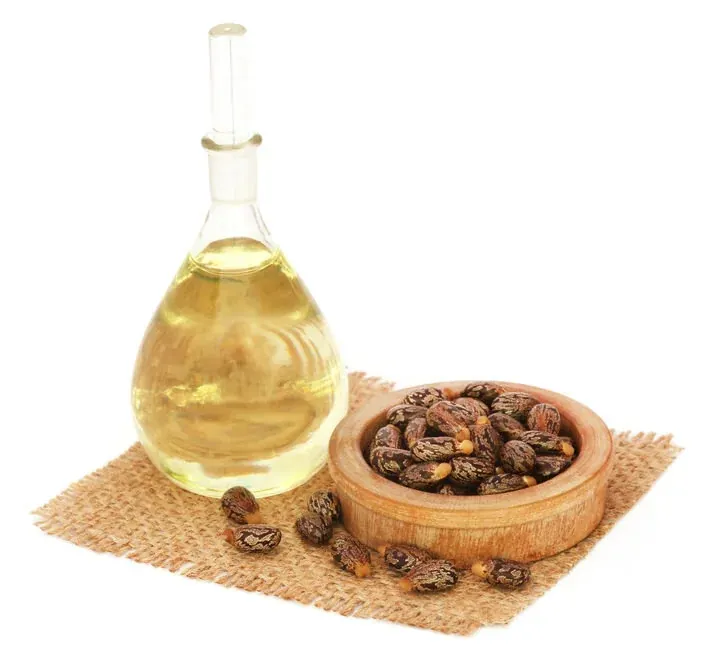
Castor oil comes from Ricinus communis seeds and contains ricinoleic acid. Laboratory findings have prompted interest in its biological effects, but strong human evidence does not establish that topical packs treat bursitis, heal internal organs, or draw out toxins. An oil's ability to soften skin is a more modest, plausible cosmetic role.
Keep a comfort ritual simple
If you enjoy a topical oil, choose a reputable finished product intended for skin and test a little on a small area first. Use a small amount on intact skin and protect clothing with a clean, washable cloth. Stop if the skin becomes itchy, red, or uncomfortable.
Do not heat oil directly, trap it beneath plastic with a heating pad, or sleep in a heated pack. Heat and prolonged occlusion can irritate skin or cause burns, particularly when sensation is reduced. A plain, comfortably warm or cool compress may be easier to control; the best temperature depends on the condition and what feels comfortable.
Separate the ingredients of feeling better
A home ritual often changes several things at once. You may stop the activity that was uncomfortable, sit in a supported position, use warmth or coolness, and give the area some attention. Those changes can all shape the experience, which is why an improvement after a pack does not identify the oil as the active reason.
That does not make the comfort meaningless. It simply helps you decide what is worth keeping. If a plain cloth and a short rest feel just as good, the simpler version may be easier to repeat and easier on your skin.
Make the setup easy to manage
Choose a stable place to sit and protect the surface from any oil you use. Keep the cloth clean and use only a product intended for topical application. Prepare a way to remove excess oil gently afterward; avoid vigorous rubbing over a tender area.
Do not combine the ritual with a task that makes you forget to check your skin. Staying awake and attentive makes it easier to stop when the temperature or sensation becomes uncomfortable. There is no benefit in pushing through irritation to complete a fixed duration.
Look at the activity around the ache
Notice what preceded the discomfort and what you want to return to. Was it a new activity, a repeated movement, or an increase in time spent doing something? Bring those details to an assessment if the problem persists. A practical plan for activity and recovery is more useful than endlessly changing the ingredient in a compress.
The ritual can remain a small act of care while the broader question—why this area is sore and what it needs—gets an appropriate answer.
Let a sore joint guide the next step
A hot, red, markedly swollen joint, fever, inability to bear weight, or pain after a significant injury needs prompt assessment. Persistent or recurring pain also deserves a clearer explanation and an activity plan.
Do not swallow castor oil for this purpose or use it to induce labor. Never prepare a remedy from raw castor seeds, which are poisonous. There is room for a quiet compress in self-care without turning a personal improvement into a promise.
References & further reading
- Castor Oil—StatPearls (2024) · Clinical pharmacology review; chiefly oral laxative use
For education and reflection. Individual needs vary. For persistent symptoms or personal guidance, seek additional care from a qualified clinician or appropriate specialist.