A warm bath can create a boundary around the day. The pace slows, muscles feel less guarded, and there is briefly nowhere else you need to be. Peat bathing belongs to a long spa tradition built around that combination of warmth, rest, and place.
What makes peat interesting
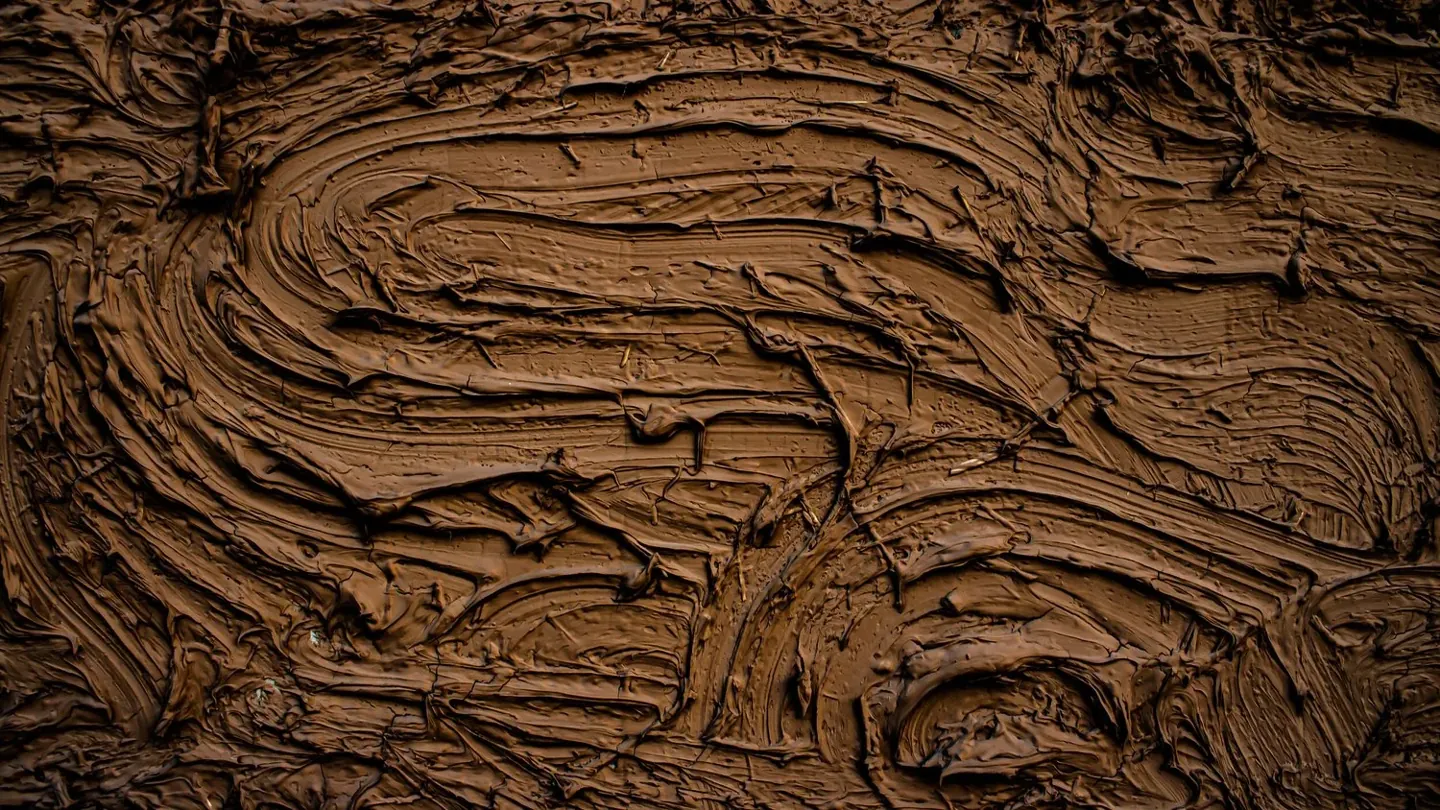
Peat is partly decomposed plant material formed in wet environments. Its composition varies, so products from different sources are not automatically equivalent. Age and natural origin do not guarantee purity; a product intended for bathing should come with clear quality and use information.
Small studies have investigated local peat applications for joint symptoms. A 2020 randomized study in people with knee osteoarthritis explored peat packs, which is a different intervention from soaking in a home bath. Such research does not establish that peat baths remove stored toxins, stimulate immunity, or treat an inflammatory illness.
Let warmth be enough
If bathing feels good, plain water is a complete option. Choose a comfortably warm temperature, keep the first soak brief, and get out before you feel light-headed or overheated. Have a nonslip surface and a place to sit while you dry off.
If you use a cosmetic peat product, follow its directions and patch-test first. Avoid broken or irritated skin and keep the product away from eyes. Do not gather mud or peat from an unknown outdoor source for a bath; environmental material may contain irritants or contaminants.
Make the room part of the ritual
Set out a towel, a comfortable layer for afterward, and anything you want within reach before filling the bath. Keep the floor clear and the lighting good enough to enter and leave safely. A quiet room can feel luxurious without scented products, decorative candles near fabric, or a complicated sequence.
Choose one purpose for the pause: warming up, resting, or simply having a few minutes without a screen. Let that be enough. You do not need to stay until the water cools or complete a predetermined amount of sweating.
If you are considering a peat product
Read whether it is formulated for a full bath, a local application, or another use. Those directions are not interchangeable. Check the full ingredients, any fragrance, how much to use, and how to clean the bath afterward. A slippery residue is a practical concern worth planning for.
Choose a supplier that can explain the material's source and testing. Peat is an environmental material, and its story should include how it was obtained rather than only the romance of an ancient landscape. If those answers are unclear, plain water remains a complete option.
After the bath
Dry gently, put on something comfortable, and sit down if you need a moment before returning to activity. You might read a few pages or simply leave the next task for later. The transition out of the bath can be as restful as the soak itself, without adding another treatment or exposure to heat.
Rest without overheating
Afterward, wrap yourself comfortably and have a normal drink of water if thirsty. There is no need to prolong sweating under a heavy blanket. A comfortable rest is a fitting end to the ritual. Sweat is mainly a way to cool the body, so there is no cleansing goal that requires you to keep producing it.
Seek individual advice about hot bathing if you are pregnant, have a condition that affects temperature regulation or circulation, or take medicines that make heat harder to tolerate. Stop for dizziness, nausea, palpitations, or weakness. A bath should leave you comfortable, not depleted—and its quiet pleasure does not depend on a cleansing claim.
References & further reading
- Effect of Peat Intervention on Pain and Gait in Patients with Knee Osteoarthritis (2020) · Small randomized human trial; local peat packs
For education and reflection. Individual needs vary. For persistent symptoms or personal guidance, seek additional care from a qualified clinician or appropriate specialist.