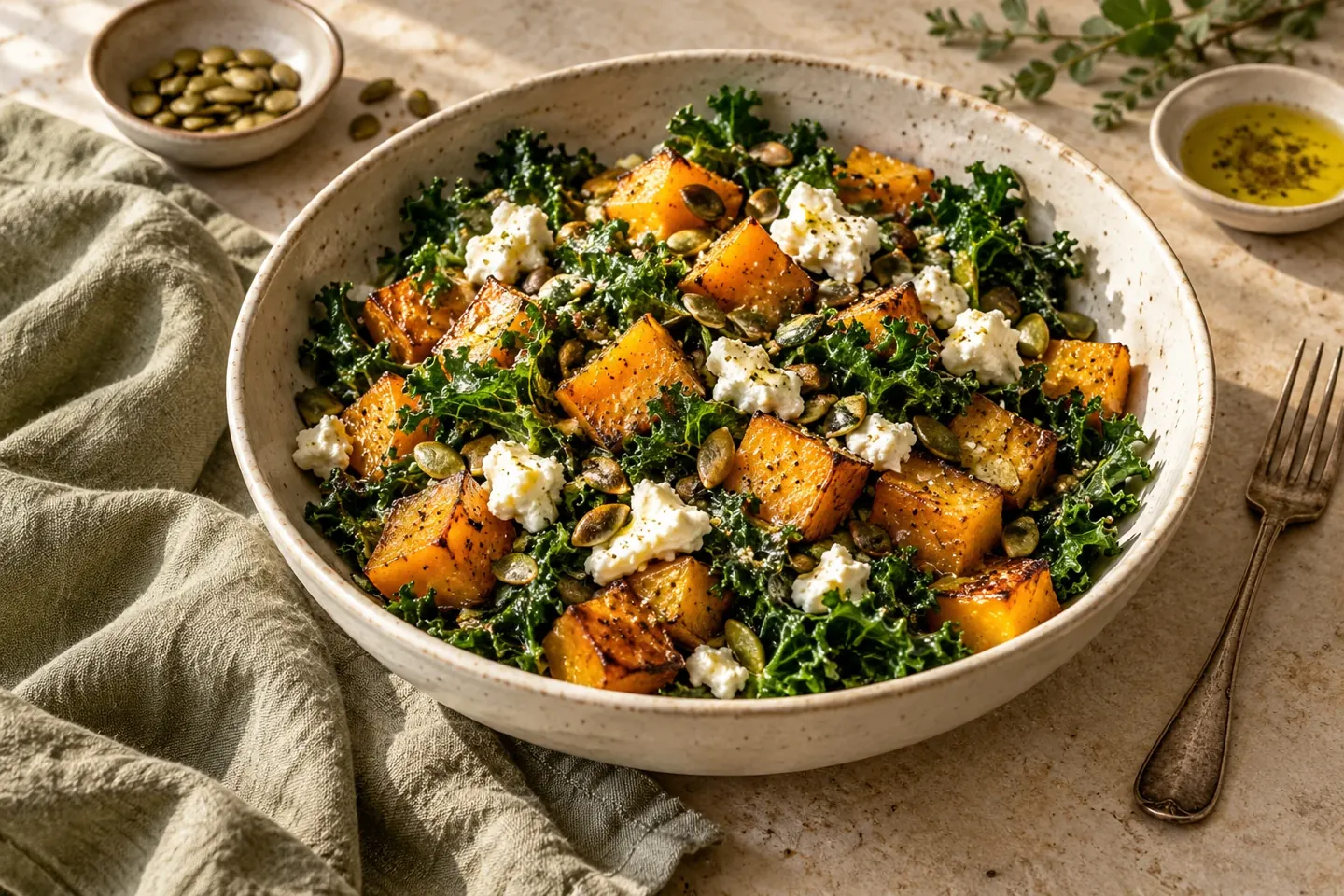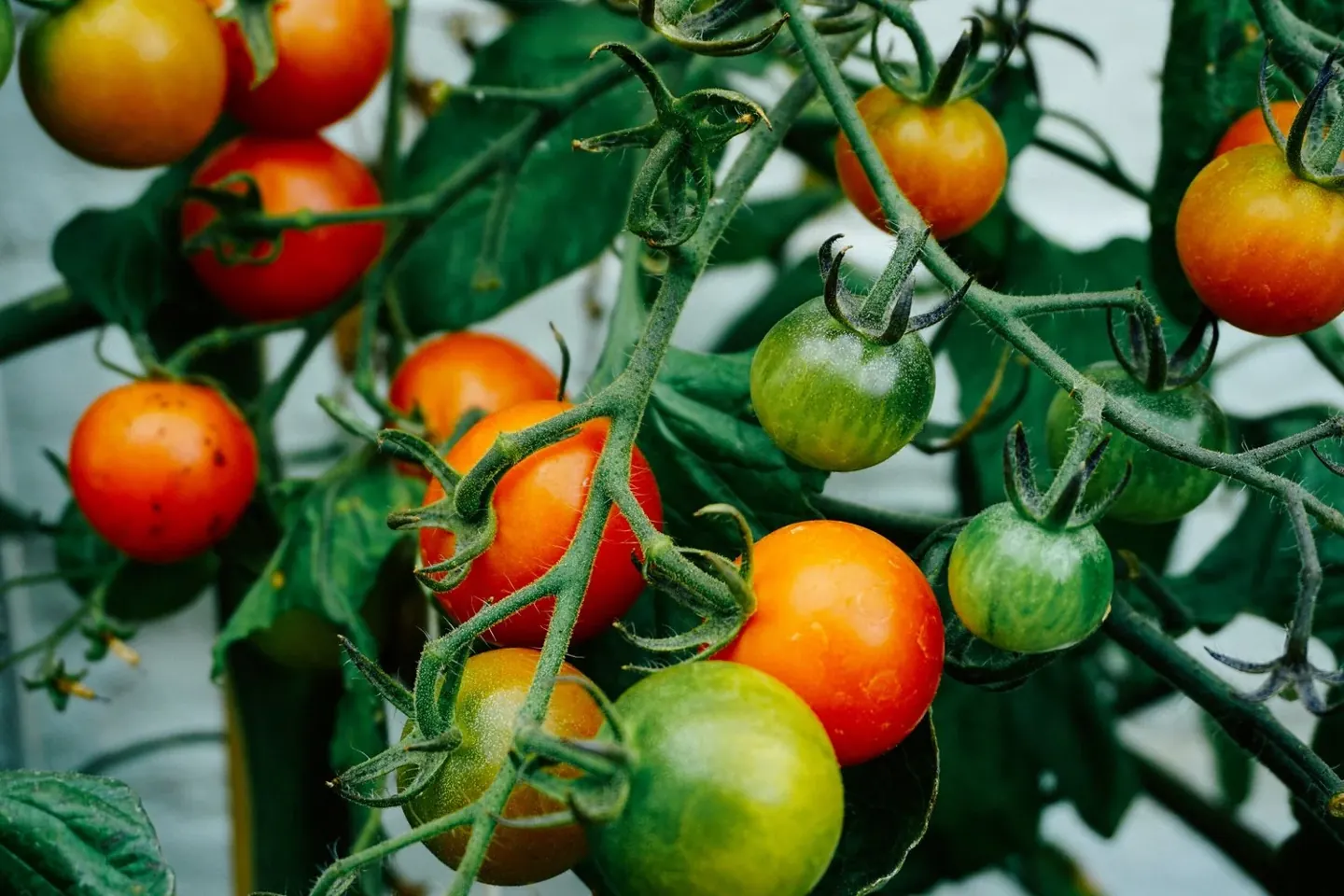
At the height of tomato season, the best recipe may be barely a recipe: thick slices, a little olive oil, torn basil, and enough time for the juices to gather on the plate. A ripe tomato brings acidity, sweetness, and texture without much intervention.
What gives tomatoes their color
Tomatoes contain lycopene, a red carotenoid, along with vitamin C and other nutrients. Researchers have explored links between tomato foods, lycopene, and health outcomes. Those questions do not turn an ordinary serving into a proven cancer-prevention strategy or a reason to take a concentrated supplement.
Enjoy raw tomatoes for their fresh texture and cooked tomatoes for their deeper flavor. A sauce, soup, or tray of roasted tomatoes makes the season last longer and offers another way to eat vegetables. There is no single ideal preparation you must follow to make the meal count.
Give the tomato a few good companions
A slice of bread can catch the juices that collect beneath dressed tomatoes. White beans make the plate more substantial. Basil, parsley, or a little thinly sliced onion can change its character without covering the flavor. Begin with a ripe tomato and add only what makes the next bite better.
A warm-weather plate
Cut the tomatoes into a mix of wedges and slices, then arrange them loosely in a shallow dish. Add olive oil and seasoning to taste. Let everyone serve themselves, with bread and another satisfying dish alongside. A few different colors can be beautiful, but one variety at its best is enough.
A cooler-weather version
Roast tomatoes using a reliable recipe until the texture suits the meal, then spoon them over beans, grains, or toast. Canned tomatoes can provide the same practical starting point for a sauce or soup when fresh fruit is out of season. You do not have to preserve summer in order to keep enjoying the ingredient.
Keep the meal's purpose in view: something delicious, nourishing, and easy enough to repeat. Tomato season is a pleasure because it makes that combination unusually simple, not because it requires a perfect nutritional strategy.
Use the whole harvest
Add chopped tomatoes to beans, tuck slices into a sandwich, or roast an abundant batch with garlic. Wash before cutting and refrigerate prepared tomatoes promptly. Follow a tested food-safety recipe if canning; flavor alone cannot tell you whether a jar is safely preserved.
Tomatoes belong to the nightshade family, but that is not a reason for everyone to avoid them. Individual allergy or reflux symptoms are a different matter. If they consistently cause discomfort, explore the pattern with appropriate guidance. For most people, a ripe tomato can remain one of summer's easiest pleasures.
Put it into practice
Naturopathic foundations
How can tomatoes make a plant-rich meal easier?
Build a familiar plate around their flavor: beans with tomatoes, a simple sauce, or a salad beside a protein source. Choose cooked or raw as you prefer and tolerate. A seasonal favorite can make an ordinary nourishing meal feel more appealing.
Functional tests to consider
Eating well begins on the plate. If you are also investigating metabolic risk, these tests can help put the longer-term pattern in context.
HbA1c & fasting glucose
These help evaluate blood-sugar patterns when metabolic risk, increased thirst, frequent urination, or other clinical clues warrant testing. A1c gives a longer view; a fasting glucose is a point-in-time measurement. Anemia and other conditions can affect A1c.
Lipid panel, with ApoB when useful
For a cardiovascular or longevity review, begin with the lipid pattern and the whole risk picture. ApoB can add information in selected situations, particularly when triglycerides or metabolic risk complicate the picture. It is not a test of whether one food is working.
A mind–body practice
The first three bites
Put the screen away and place both feet on the floor. Before eating, notice the color and scent of the food. Take the first three bites slowly enough to notice their texture, then check in with hunger and comfort.
A little more clarity
Can a single food replace a whole-food eating pattern?
No single ingredient has to carry the whole meal. Look for enough food, a source of protein, varied plants, and a pattern that fits your life. Laboratory results describe specific health questions, not the virtue of an individual food.
For education and reflection. Individual needs vary. For persistent symptoms or personal guidance, seek additional care from a qualified clinician or appropriate specialist.
References
- National Cancer Institute: Prostate Cancer, Nutrition, and Dietary Supplements (PDQ) · Authoritative evidence review; lycopene section