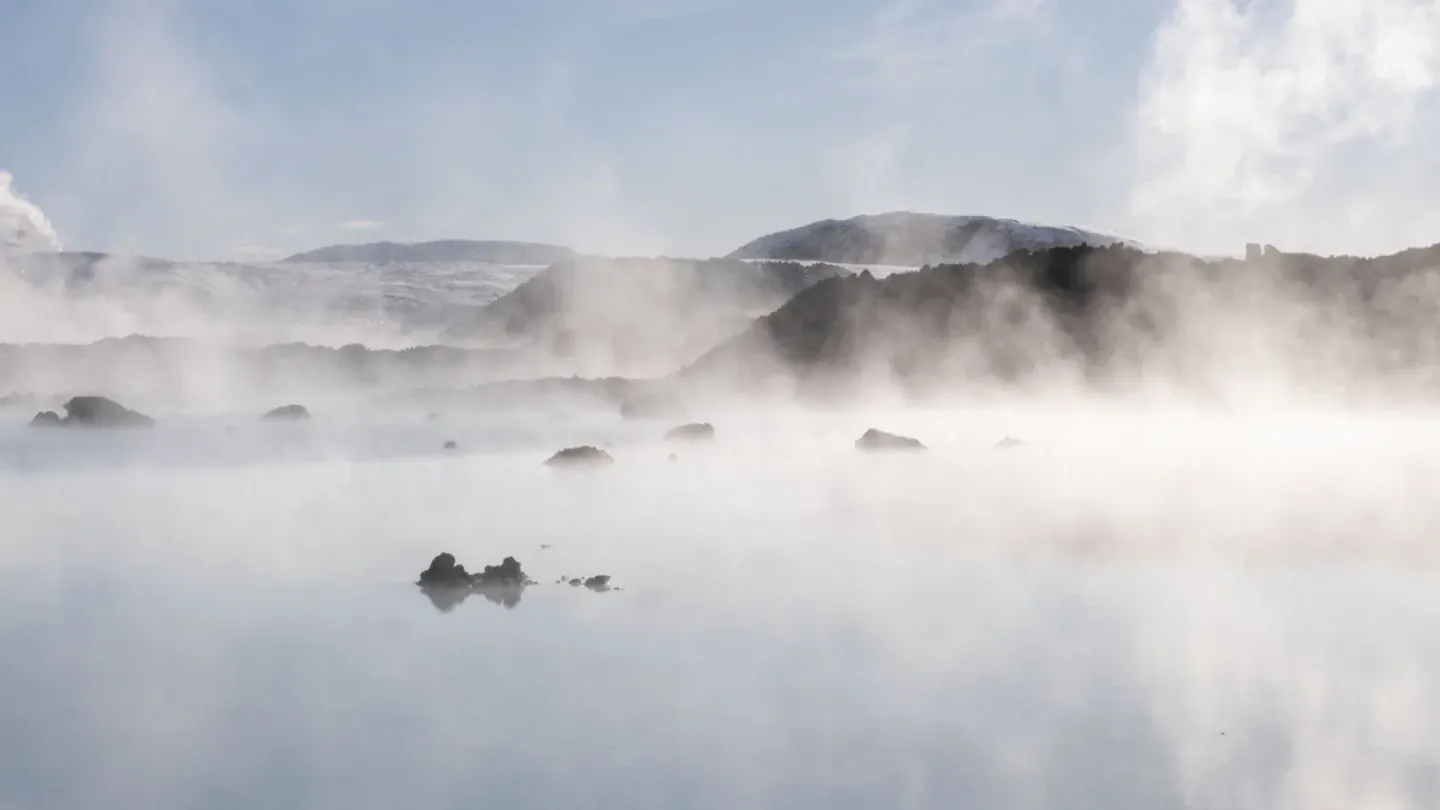
Warm water invites the shoulders to drop. A cooler rinse brings a different sensation: alert, crisp, newly awake. The appeal of a bathing circuit is easy to understand, especially when the experience includes time to rest between temperatures.
Hydrotherapy is a broad term. A gentle bath, supervised pool exercise, a sauna, and an ice plunge expose the body to very different conditions. Their benefits and risks should not be treated as interchangeable.
Water and the vis
In naturopathic hydrotherapy, the meeting of warmth and coolness is traditionally described as ‘stimulating the vis.’ I use that language to acknowledge the healing philosophy behind the ritual: engaging with the body’s vitality and capacity for adaptation. Water also carries the symbolism of renewal. The transition from one temperature to another, followed by a moment of rest, can become an intentional threshold in the day. I like giving that felt experience room in the story, alongside the physical responses explored in the research.
Start with the feeling you want
For relaxation, a comfortably warm bath or shower may be enough. For a refreshing finish, gradually reduce the temperature if that feels pleasant. You do not need to shiver, gasp, or endure discomfort to make the ritual worthwhile.
Warmth changes blood flow near the skin; sudden cold can raise heart rate and blood pressure. Those physical responses do not prove that a circuit removes toxins, treats a respiratory infection, or strengthens immunity.
What a cold-shower study showed
A large randomized study asked adults to finish showers with brief cold exposure. Participants reported less sickness absence, but not fewer days of illness. That is an interesting behavioral and health finding, not proof that cold water prevents infections.
Research on exercise recovery or specific rehabilitation programs also cannot be generalized to every spa circuit. Match the claim to the actual practice that was studied.
Build a quieter circuit at home
Begin with your usual comfortable shower rather than making the temperature extreme. Let the water fall over the shoulders for a moment, then notice whether a slightly cooler finish appeals. If it does, lower the temperature gradually and keep the change brief. Return to comfort or finish whenever you want; there is no prize for tolerating more cold.
Have a towel and dry clothes ready before you start. Afterward, sit or stand somewhere stable and give yourself time to feel settled. This pause is part of the ritual, not an interval to fill with another demand.
At a spa, ask what each stop adds
A long menu of pools and rooms can make it feel as though every station is required. It is reasonable to choose one or two experiences and spend more time resting. Ask about temperatures, accessibility, supervision, and the facility’s guidance for your circumstances before entering an unfamiliar environment.
The way you feel during and after a session matters more than completing the advertised circuit. If heat leaves you depleted or cold makes you tense and uncomfortable, select a different experience. Warm water, comfortable movement in a pool, and quiet rest offer different pleasures; they do not have to be combined into a test of resilience.
Keep the circuit gentle
Use short, comfortable sessions, move slowly when standing, and leave time to cool down naturally. Avoid alcohol around heat or immersion. Essential-oil steam can irritate airways, and leaning over bowls of boiling water adds a preventable scald risk.
People with cardiovascular conditions, poorly controlled blood pressure, fainting, impaired sensation, or pregnancy need individual guidance before temperature extremes. Cold water is especially unsuitable for some circulation disorders. Never combine immersion with breath-holding, and never plunge alone.
Stop for dizziness, chest discomfort, unusual breathlessness, numbness, or persistent shivering. A ritual designed for well-being should leave you comfortable, not depleted. Sometimes the most restorative circuit is simply warm water, a towel, and a quiet place to sit.
References & further reading
- The Effect of Cold Showering on Health and Work (2016) · Randomized human trial
- Warning about steam inhalation and scalds (2021) · Burn specialist association safety alert
For education and reflection. Individual needs vary. For persistent symptoms or personal guidance, seek additional care from a qualified clinician or appropriate specialist.