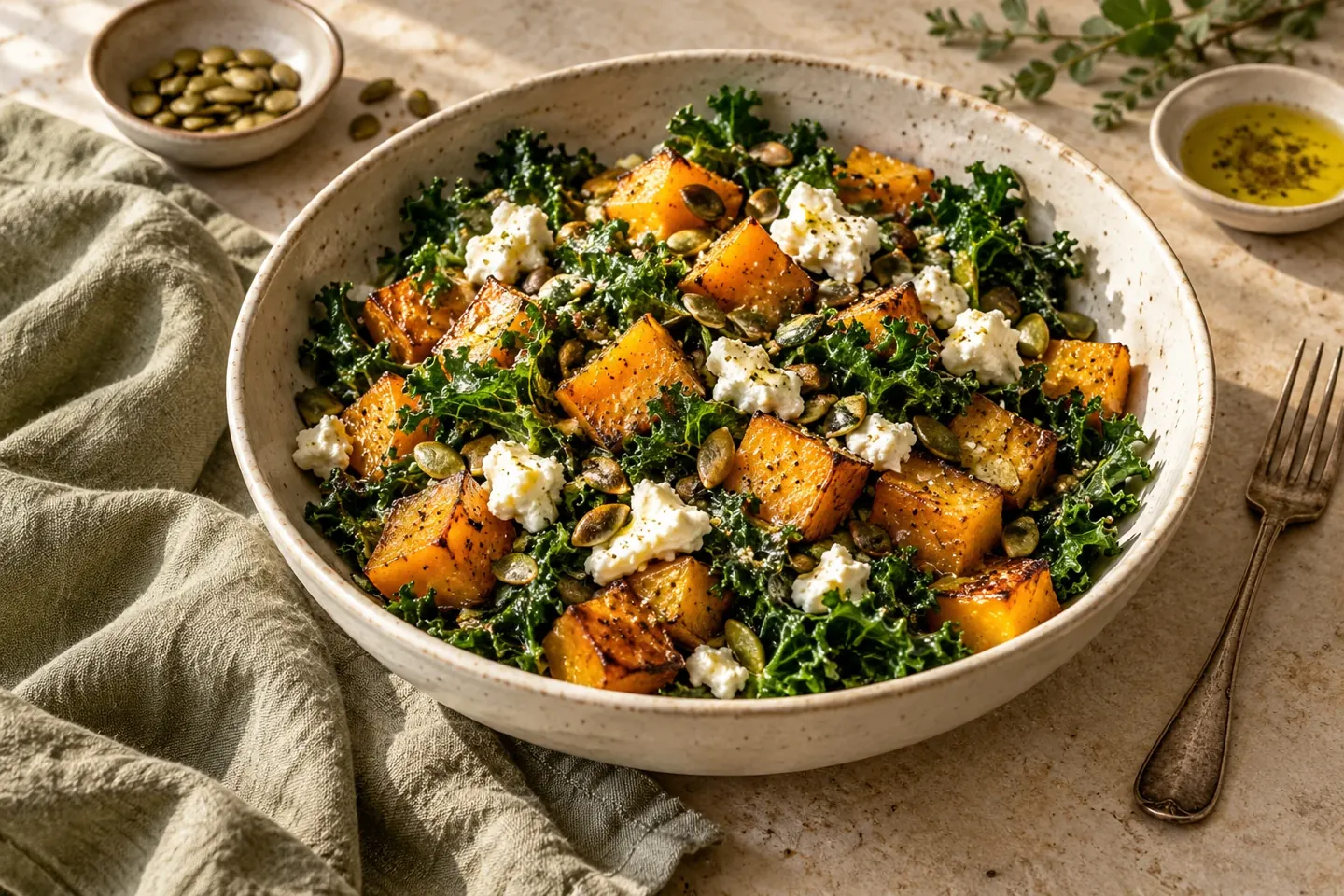
After a month immersed in Mediterranean life, olive oil felt less like an ingredient than part of the rhythm of a meal. It dressed vegetables, brought beans together, and made a piece of bread feel complete. That daily usefulness is a good place to begin its story.
Make it part of the meal
Olive oil is rich in monounsaturated fat, chiefly oleic acid, which is an omega-9 fatty acid. Extra-virgin oil also contains varying amounts of plant compounds that contribute flavor and have attracted research interest. It is not a major source of omega-3 fats.
The PREDIMED trial found fewer major cardiovascular events in adults at high cardiovascular risk assigned to Mediterranean dietary patterns supplemented with extra-virgin olive oil or nuts. The 2018 report places the benefit within a varied pattern of vegetables, legumes, fruit, fish, and other foods. The finding concerns an overall eating pattern; it does not turn a specific spoonful into a treatment or prove that adding oil without changing anything else produces the same benefit.
Use it where it adds pleasure: over lentils, with tomatoes, in a lemon dressing, or for cooking vegetables. Replacing some saturated fat with unsaturated oils is more meaningful than treating extra oil as a daily supplement.
Let one bottle move through the week
Choose an oil whose flavor you enjoy, then use it in ways that make ordinary food more appealing. A grassy oil can brighten beans and greens; a softer one may be comfortable in a simple dressing. The differences are culinary invitations, not a ranking of which bottle will do the most for your health.
Dress a warm bowl
Toss cooked lentils or beans with chopped herbs, a little lemon or vinegar, and olive oil while they are still warm. Add roasted vegetables and taste before adding more salt. The oil helps carry the flavors across the meal.
Make a small dressing
Begin with about three parts oil to one part vinegar or lemon juice, then adjust to the ingredients. A little mustard helps bring the mixture together. Make only what you will use soon and store a dressing containing fresh ingredients appropriately.
Finish with a few drops
A small drizzle over soup or cooked vegetables can add aroma at the table. You do not need a separate spoonful on an empty stomach or a prescribed daily amount to enjoy olive oil as food.
When reading a study, keep this culinary context in mind. The Mediterranean pattern is an arrangement of foods and habits, not a single ingredient doing all the work. Olive oil can make that pattern more delicious and easier to return to.
A little for hair and cuticles
A small amount on dry hair lengths before washing can add slip and softness. Start with a few drops rather than saturating the scalp. For cuticles, massage in a little and wipe away excess. Stop if the skin becomes irritated.
Facial use is more individual. Olive oil can dissolve some makeup, but it may not rinse cleanly, and repeated application has impaired the skin barrier in small human studies. Be especially cautious with eczema-prone or already inflamed skin. Keep household oil out of the eyes and open wounds.
Let flavor guide the ritual
Store the bottle away from heat and light and buy an amount you can use while the flavor is fresh. Peppery, grassy, or softly fruity oils can change the same familiar meal. That is a dependable benefit, without asking olive oil to act as a memory enhancer or an antidepressant.
Put it into practice
Naturopathic foundations
How can olive oil fit into an everyday Mediterranean-style meal?
Use olive oil in meals you already enjoy: vegetables, beans, a salad, or a simple grain dish. Bring the rest of the pattern with it—varied plants, satisfying food, regular movement, and company when possible. A single ingredient does not have to do everything.
Functional tests to consider
The foundations include movement, nourishing meals, sleep, tobacco exposure, and blood pressure. A lipid assessment adds information to that wider cardiovascular picture.
Lipid panel, with ApoB when useful
For a cardiovascular or longevity review, begin with the lipid pattern and the whole risk picture. ApoB can add information in selected situations, particularly when triglycerides or metabolic risk complicate the picture. It is not a test of whether one food is working.
Lipoprotein(a)
A largely inherited cardiovascular risk marker that can add useful context to a prevention plan, particularly with a family history of early cardiovascular disease. It is usually a baseline risk question, not a frequent progress check.
A mind–body practice
The first three bites
Put the screen away and place both feet on the floor. Before eating, notice the color and scent of the food. Take the first three bites slowly enough to notice their texture, then check in with hunger and comfort.
A little more clarity
What can ApoB and lipoprotein(a) add to cardiovascular testing?
ApoB can refine risk in selected lipid patterns; lipoprotein(a) adds a largely inherited component of risk. They complement the history and standard measurements. Neither is a reason to judge a single meal or to promise that an herb can treat heart disease.
For education and reflection. Individual needs vary. For persistent symptoms or personal guidance, seek additional care from a qualified clinician or appropriate specialist.
References
- Estruch et al. — Primary Prevention of Cardiovascular Disease with a Mediterranean Diet Supplemented with Extra-Virgin Olive Oil or Nuts (2018) · randomized trial; corrected republication
- Danby et al. — Effect of olive and sunflower seed oil on the adult skin barrier (2013) · small controlled human studies