Spring can be beautiful and uncomfortable at the same time. The air smells different, the windows are open, and suddenly your eyes itch. A useful natural-health routine starts by making your immediate surroundings a little easier on your nose.
Bring less pollen indoors
Notice local pollen levels and the times your symptoms are worst. After a high-exposure walk or garden session, change clothes and rinse your face; washing your hair before bed can help keep pollen off the pillow. Keep windows closed when airborne pollen is high and give the sleeping area particular attention.
Use water thoughtfully
Saline nasal irrigation can help some people with nasal symptoms. Use a properly prepared saline solution and a clean device, following its directions. The water must be distilled, sterile, or previously boiled and cooled—not ordinary tap water. Clean and dry the equipment after use. A commercially prepared saline spray is another simple option.
Where the botanicals stand
Quercetin occurs naturally in foods such as onions and apples. Small trials of particular supplement formulations have reported improvements in some allergy symptoms, but they do not establish that every product works or that eating more pineapple creates the same effect. Bromelain and nettle research remains limited, with preparations and results that are difficult to compare.
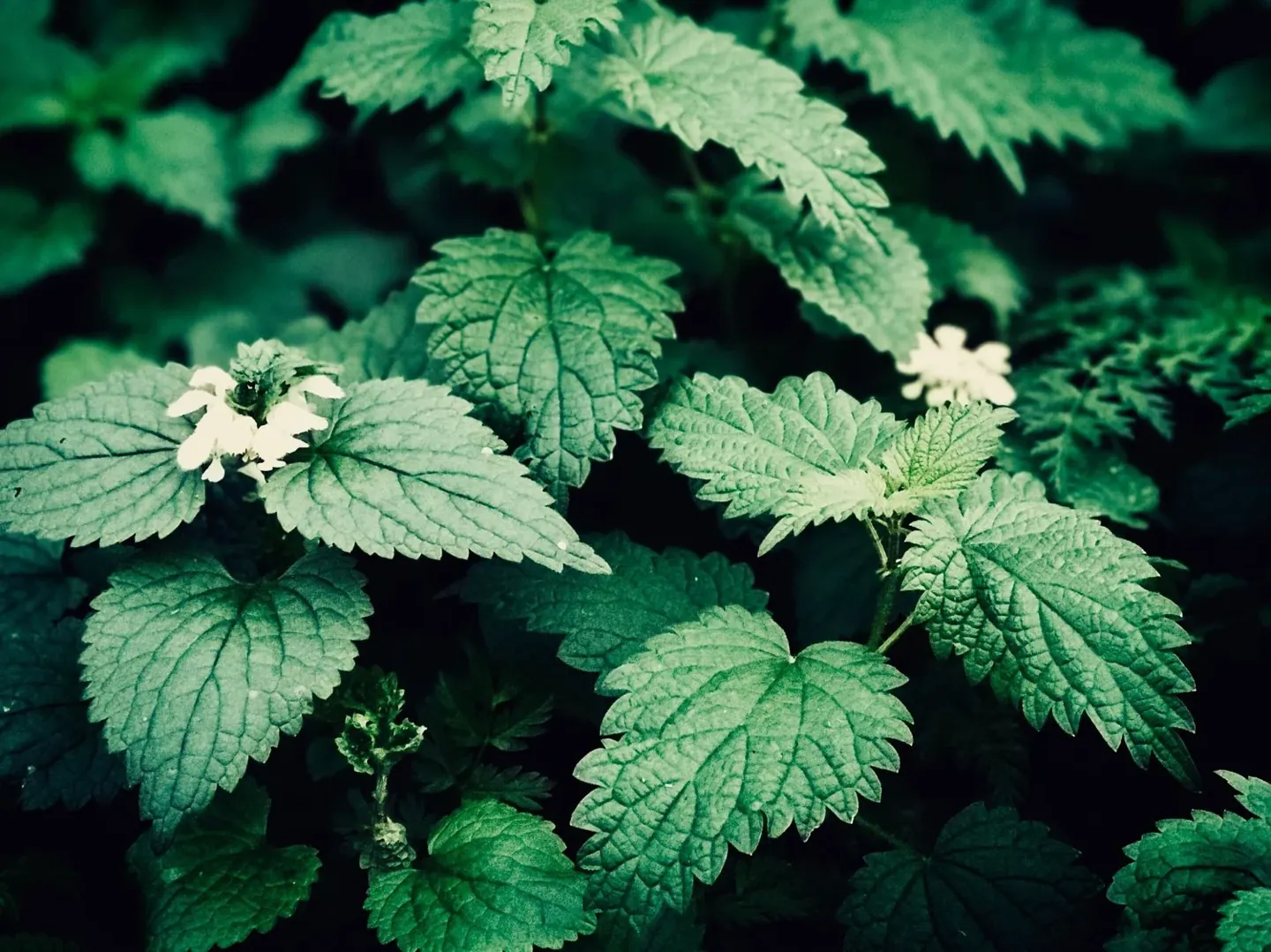
A small nettle trial studied a defined tablet as supportive therapy, not handfuls of raw wild nettles. Correct identification and preparation matter, and a nutritious leafy food is not automatically an antihistamine treatment.
Vitamin C-rich fruits and vegetables fit beautifully into a varied diet. Large supplement doses are not a dependable substitute for symptom management. Bee pollen deserves particular caution: it can provoke severe allergic reactions and is not a safe do-it-yourself way to desensitize someone to seasonal pollen. Local honey is a food pleasure with mixed, limited allergy evidence.
Build a routine around your own pattern
Before adding a botanical product, spend a little time noticing when symptoms appear. A brief record of location, outdoor activity, open windows, and the kinds of symptoms you experience can help make the next decision more specific. Persistent symptoms are not always explained by the plant that happens to be flowering nearby.
Choose one practical change
If evenings are uncomfortable after gardening, try changing clothes and rinsing off before settling into the bedroom. If symptoms flare when windows are open, adjust that habit during high-pollen periods. Keep the experiment simple enough that you can tell whether it makes a difference.
Give a rinse a clear routine
Read the device instructions before starting, prepare the recommended saline mixture, and use only water appropriate for nasal rinsing. Plain water can be uncomfortable, and stronger salt mixtures are not automatically better. Do not share devices. Stop and seek guidance if the process causes pain, bleeding, or worsening symptoms.
Keep supplements interpretable
Quercetin in an apple is not the same exposure as a formulated supplement. The same distinction applies to pineapple and bromelain. If you choose a product after checking suitability, avoid starting several new ones simultaneously. Keep the label and note what you are trying to improve.
The broader goal is enjoyable access to the season: a walk at a more comfortable time, a bedroom that feels easier to breathe in, and a plan that fits the actual trigger. That is more useful than collecting every ingredient marketed as a natural antihistamine.
Keep the plan personal
Before concentrated botanical products, check compatibility with medicines, especially blood thinners, and seek individual guidance during pregnancy or with kidney disease. One carefully chosen change is easier to evaluate than a stack of new supplements.
If symptoms disrupt sleep, keep recurring, or include wheezing, seek assessment to clarify what is triggering them. Trouble breathing, throat or tongue swelling, faintness, or a rapidly spreading allergic reaction requires emergency care. A good spring ritual should help you enjoy the season, while leaving room for more support when needed.
Put it into practice
Naturopathic foundations
What practical habits belong in a pollen-season routine?
Notice when symptoms rise and what exposures come before them. Consider changing outdoor clothes, rinsing off after a high-exposure day, and keeping the sleeping space comfortable. Make an individualized plan for recurring symptoms rather than adding several unfamiliar remedies at once.
Functional tests to consider
Reduce a likely trigger where practical, keep a note of when symptoms appear, and review the indoor environment. Testing can clarify a suspected allergy when it would change the plan.
History-directed allergy testing
Specific IgE testing or a supervised skin test may help when the pattern suggests an immediate allergy. Select suspected triggers from the history. A broad positive result without matching symptoms does not, by itself, identify the cause.
A mind–body practice
The space before the next thing
Sit with your feet supported. Soften your hands and let your shoulders settle. Take five easy breaths without holding or forcing them. Ask, “What is one thing I need before I keep going?” Then make room for it.
A little more clarity
When is allergy testing more useful than a broad food restriction?
When a specific exposure reliably brings symptoms, targeted testing may help identify the relevant allergen. Large panels and long exclusion lists without a matching history can create confusion. Keep nourishment and daily comfort in view while investigating the trigger.
For education and reflection. Individual needs vary. For persistent symptoms or personal guidance, seek additional care from a qualified clinician or appropriate specialist.
References
- NCCIH — Seasonal Allergies and Complementary Health Approaches · government evidence summary; accessed 2026
- Yamada et al. — Effects of repeated oral intake of a quercetin-containing supplement on allergic reaction (2022) · randomized placebo-controlled trial
- Bakhshaee et al. — Supportive therapy of allergic rhinitis by stinging nettle (2017) · randomized double-blind clinical trial
- CDC — How to Safely Rinse Sinuses · government safety guidance; accessed 2026