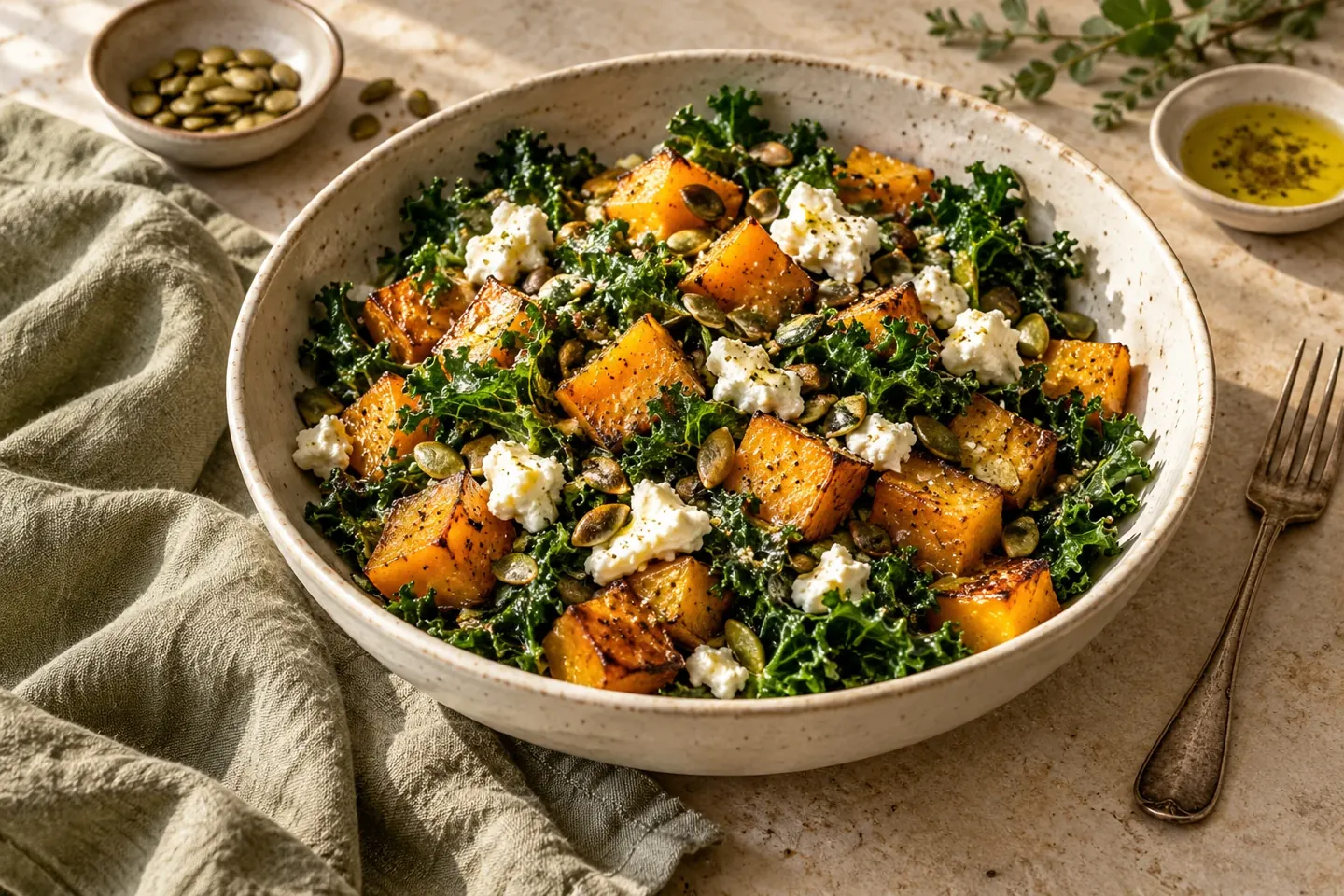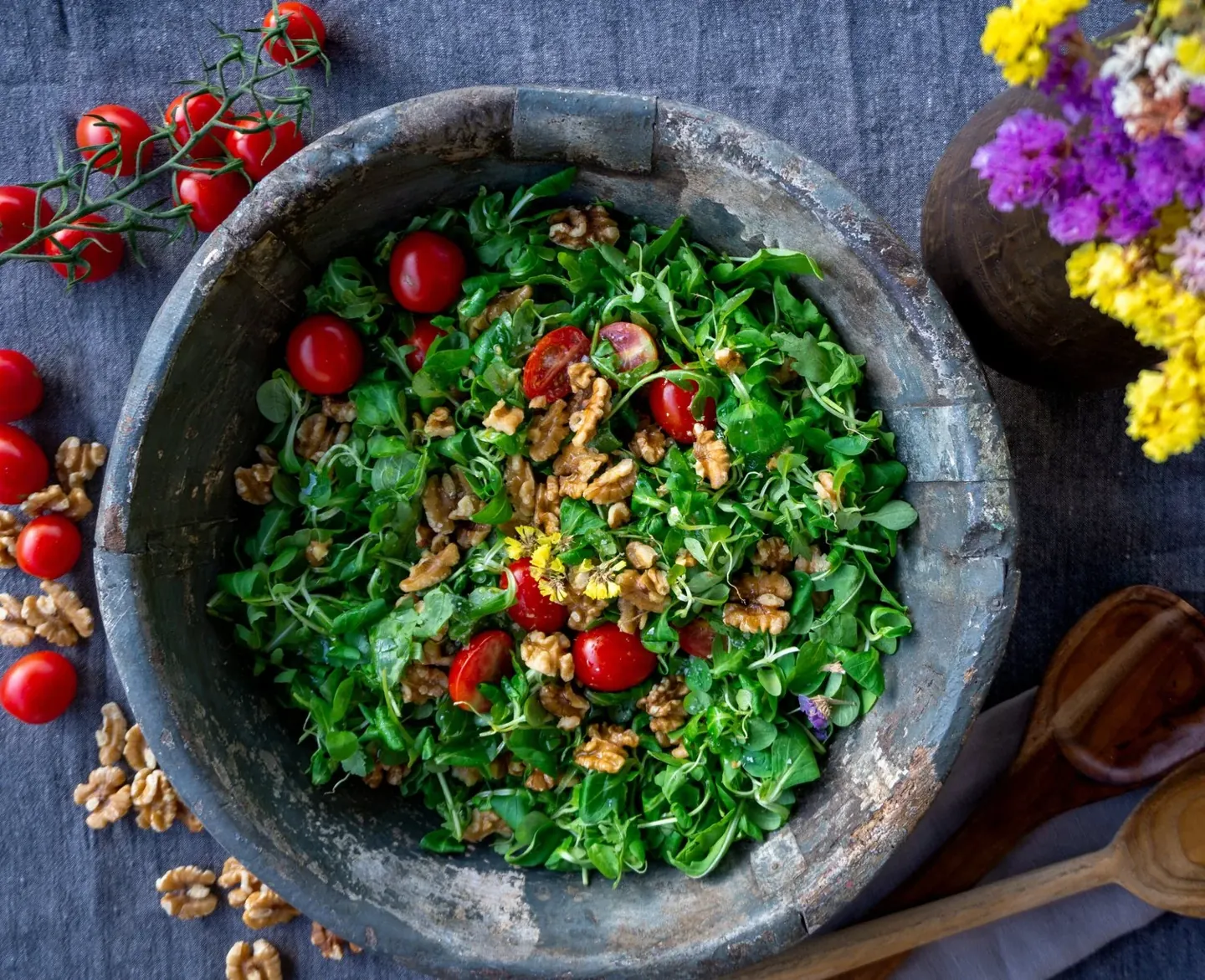
The appeal begins on the plate: tomatoes at their sweetest, bitter greens softened with olive oil, beans that have had time to become tender. Greek-inspired eating is less a collection of superfoods than a way of making familiar ingredients satisfying.
Begin with plants, then build
Make vegetables, fruit, beans, lentils, whole grains, and nuts regular guests at the table. Use olive oil where you enjoy its flavor. Add fish, eggs, yogurt, or other proteins according to your needs and preferences. Herbs, lemon, garlic, and a little time in the pan can make a simple meal feel complete.
In the corrected PREDIMED trial, adults at high cardiovascular risk assigned to a Mediterranean pattern with extra-virgin olive oil or nuts had fewer major cardiovascular events than the comparison group. That supports the overall pattern. It does not prove that any single ingredient prevents disease, or that every traditional Mediterranean habit is necessary.
A few ingredients to return to
Cook broccoli rabe or other bitter greens with garlic, then finish with lemon. Roast eggplant until soft and serve with beans or yogurt. Add hazelnuts to a grain salad for crunch. Slice tomatoes generously when they are good; use canned tomatoes when they are not.
These foods contribute fiber, fats, and a variety of nutrients. They need no extra promise about liver cleansing, accelerated memory, or reversing disease to earn a place in the kitchen.
Turn the pattern into dinner
Begin with one substantial dish, then add freshness and contrast. A pot of lentils with tomatoes can be served with greens, bread, and a spoonful of yogurt. Roasted eggplant can share a plate with chickpeas, chopped cucumber, and a lemony dressing. A modest portion of fish can sit beside potatoes and a generous helping of vegetables.
The finishing touches
Keep a few flavor-makers close: dried oregano, black pepper, a lemon, a good oil, and whichever fresh herbs are available. Add them at different stages rather than all at once. Garlic cooked in a pot gives depth; fresh herbs added just before serving keep their brightness. Taste before adding extra salt, especially when olives or feta are already on the plate.
Make enough of one component to use again. Lentils can be warm at dinner and cool in a salad the next day. Cooked grains can meet a different vegetable or dressing. Keep prepared foods refrigerated and bring out only what you plan to serve.
This is also an adaptable way to feed people with different preferences. Put the vegetables, grains, beans, and extras on the table separately, then let everyone build a plate. The shared meal can remain generous without requiring everyone to eat exactly the same thing.
Let the meal have a little space
Set down what you are working on. Sit if you can. Eat with someone whose company you enjoy, or make a solo lunch feel considered. The social side of the meal is part of its pleasure, even if a leisurely lunch or dinner is not possible every day.
A Mediterranean pattern can also be affordable: dried lentils, frozen greens, canned fish, and a modest bottle of oil all fit. Adapt it for allergies and your individual needs. There is no requirement to drink wine or to source every ingredient from Greece. The lasting benefit is a varied way of eating that feels good enough to keep.
References & further reading
- Primary Prevention of Cardiovascular Disease With a Mediterranean Diet Supplemented With Extra-Virgin Olive Oil or Nuts (2018) · Randomized clinical trial; corrected PREDIMED publication
For education and reflection. Individual needs vary. For persistent symptoms or personal guidance, seek additional care from a qualified clinician or appropriate specialist.