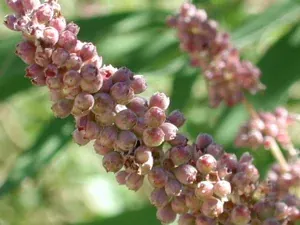
Knowing your cycle can make the month feel less mysterious. The timing of breast tenderness, irritability, sleep changes, or cramps often tells a more useful story than the catchall phrase “hormone imbalance.” Vitex, also called chasteberry, is one botanical researchers have studied for that premenstrual window.
The benefit worth discussing
Some studies suggest certain Vitex agnus-castus extracts may reduce PMS symptoms, including breast tenderness. The evidence is generally low to moderate in quality, and preparations differ. It is a promising possibility for a defined problem, not a plant every woman needs in her cabinet.
Vitex does not simply add progesterone or normalize every hormone pattern. Irregular periods, acne, fertility concerns, and changes after stopping contraception have different possible causes. Evidence for PMS cannot be stretched to cover all of them, and there is no dependable ten-day timetable for “rebalancing” the body.
Start with the calendar
For two or three cycles, jot down symptoms, their intensity, and when they arrive and lift. Include sleep, bleeding, pain, and how daily life is affected. The aim is to make a pattern visible, not to monitor yourself relentlessly. Steady meals, movement you enjoy, and protected sleep can form a practical background while you decide what further support would help.
If considering vitex, review the exact product, your contraceptive or fertility plans, and all medicines with someone qualified in botanical safety. Avoid self-prescribing during pregnancy or breastfeeding, and use particular caution with hormone-sensitive conditions. Short-term study tolerability does not establish that indefinite use is appropriate.
Make the diary useful, not exhaustive
A few consistent notes can be more revealing than a long list written only on the worst day. Choose the symptoms that matter most to you and use the same simple scale each time. Include one line about function: whether you missed a plan, had trouble concentrating, or needed to change your usual activity.
Four things to record
- The date and the first day of bleeding when it occurs.
- The main symptom and whether it is mild, moderate, or severe.
- Any change in sleep, appetite, or daily functioning that feels relevant.
- New medicines, supplements, or major routine changes, so the timeline remains clear.
You can use paper, a calendar, or an app you already trust. Keep it simple enough to maintain. The purpose is to bring a recognizable pattern to a conversation, not to score every ordinary fluctuation in your body.
Ask a more specific botanical question
If vitex is being considered, ask which symptom the proposed preparation is meant to address and which studies support that use. Ask how benefit would be judged, how long before reassessment, and how your own history changes the safety picture. A claim that something “works for hormones” is too broad to answer those questions.
It also helps to choose a quieter moment in the cycle for planning practical support: meals that are easy to assemble, less crowded evenings, or a comfortable place to rest. Anticipating a difficult stretch can make it more manageable without suggesting that you should accept severe symptoms as inevitable.
When the pattern needs more attention
Very heavy bleeding, severe or new pelvic pain, faintness, or symptoms with a possible pregnancy warrant prompt care. Bleeding after menopause should be assessed. If premenstrual mood changes feel overwhelming or unsafe, seek help promptly. A botanical can be part of a thoughtful conversation, but your experience deserves more precision than a promise to “balance hormones.”
Put it into practice
Naturopathic foundations
What should I track before considering vitex for PMS?
Notice when symptoms begin and ease across the cycle, along with sleep, meals, bleeding, and stress. Give food and recovery a regular rhythm. Those observations create a more useful starting point for choosing a botanical than assuming every premenstrual change has the same cause.
Functional tests to consider
Track the timing of bleeding, pain, sleep, appetite, and mood. The pattern helps decide whether iron, thyroid, or cycle-timed hormone testing would answer a useful question.
CBC, ferritin & iron studies
A useful conversation when fatigue, heavy periods, hair shedding, or a restrictive diet raises the question of iron deficiency. Ferritin belongs alongside the blood count and the wider clinical picture; inflammation can raise it.
TSH & free T4
Consider these when ongoing fatigue, cold intolerance, constipation, changing weight, or cycle changes suggest a thyroid question. Thyroid antibodies can add context when autoimmune thyroid disease is suspected. Supplements, medications, and timing matter when interpreting results.
Cycle-timed progesterone
When the question is whether ovulation occurred, the timing of a progesterone sample matters more than choosing the same calendar day for everyone. Plan it around the expected next period with a clinician; one sample does not describe the entire cycle.
A mind–body practice
Listen to the month
Write down your cycle day, energy, mood, and what would feel supportive today. Rest a hand somewhere comfortable and take a few unforced breaths. Choose one adjustment to your schedule without judging the pattern as good or bad.
A little more clarity
How should hormone testing be timed for menstrual symptoms?
Choose the test for the question and the stage of the cycle. Progesterone assessment, for example, depends on ovulation timing. Heavy bleeding also raises an iron question, and thyroid symptoms may call for thyroid testing. A single hormone snapshot does not describe the whole month.
For education and reflection. Individual needs vary. For persistent symptoms or personal guidance, seek additional care from a qualified clinician or appropriate specialist.
References
- NCCIH: Chasteberry · Public health evidence summary