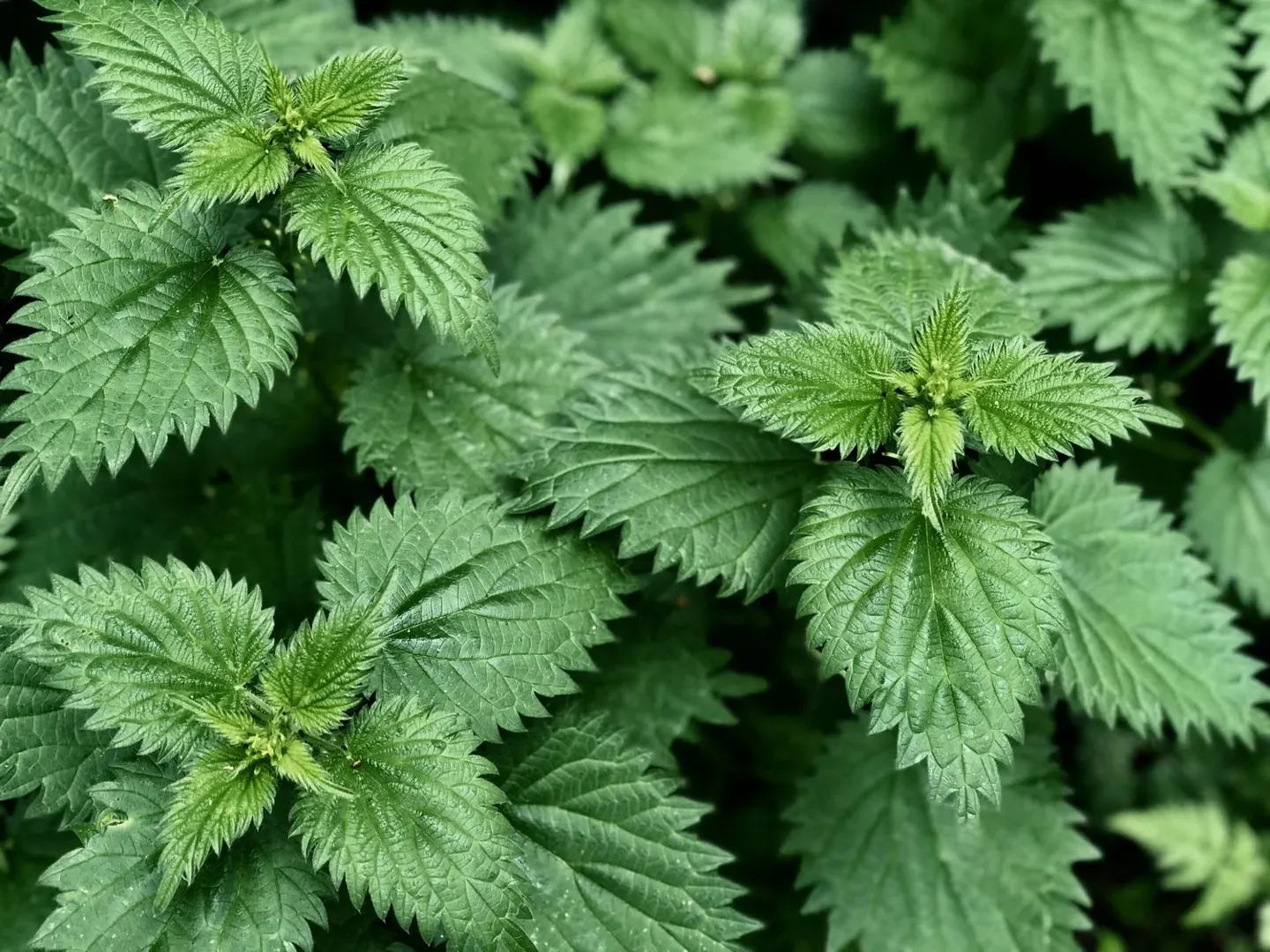
Nettle has the best kind of culinary surprise: a plant with an intimidating exterior becomes a tender green after proper preparation. Its flavor sits comfortably in soup, pesto, eggs, and grain bowls. For anyone curious about eating more plants, that transformation is reason enough to pay attention.
Think leaf, root, and preparation
Urtica dioica and related nettles appear in both food and herbal traditions. The leaf, aerial herb, and root are different materials and have been studied for different purposes. Research about a root preparation cannot be used to promise that nettle tea treats allergies or increases milk supply.
European herbal assessments recognize some nettle preparations on the basis of traditional use, including for minor urinary complaints. Traditional-use registration is not the same as strong clinical proof. To interpret that history, keep the intended use beside the exact plant part and preparation. Human research has not established a broad therapeutic role for every nettle product.
A pot of green soup
Use nettles sold for food by a knowledgeable supplier, or forage only with confident identification and permission in an uncontaminated area. Wear gloves when handling fresh leaves. Cook thoroughly to neutralize the sting; do not add raw nettles casually to a smoothie. Fold cooked greens into a simple potato soup and finish with olive oil and lemon.
Dried nettle can make an earthy tea, but an infusion is not nutritionally equivalent to eating the leaves. Mineral and protein claims based on dried weight can sound dramatic while describing an amount nobody would normally drink. Choose it for flavor and variety, without relying on it to correct iron deficiency or replace a meal.
A nettle supper, without overcomplicating it
Once correctly identified food-grade nettles have been handled and thoroughly cooked, treat them as a green ingredient. Fold them into an omelet, stir them into a pot of beans, or blend a modest amount into soup. Taste the finished dish before adding more: the pleasure is in bringing a new flavor to something familiar.
A simple potato-and-nettle soup
- Soften chopped onion in a little olive oil in a saucepan.
- Add diced potato and enough broth or water to cover generously. Simmer until the potato is tender.
- Add properly prepared nettles and cook thoroughly. Follow safe preparation guidance from a knowledgeable food supplier.
- Blend to the texture you like, adjust the seasoning, and finish with a little lemon or yogurt if desired.
Serve with bread and another dish if you want a more substantial meal. The recipe is a culinary suggestion, not a treatment for anemia, allergies, or a urinary problem.
Pay attention to the part on the label
A bag labeled nettle leaf, a root extract, and a blended herbal capsule represent different preparations. Check the botanical name, plant part, and other ingredients before making comparisons. If a research paper concerns the root, it should not be used to promise the same result from a leaf infusion.
That small habit—reading the plant part—makes herbal shopping much more intelligible. It also leaves more room for the simple joy of the food itself, without asking every bowl of soup to deliver the full reputation of a plant.
Keep the use appropriate
Concentrated nettle products need extra caution during pregnancy and breastfeeding, with medicines, or when heart or kidney conditions require fluid restriction. Do not use a “diuretic” tea to treat unexplained swelling. Painful urination with fever, blood in urine, or back pain needs prompt advice. Persistent fatigue deserves attention to its cause. At the table, nettle can remain what it does beautifully: another interesting green.
Put it into practice
Naturopathic foundations
How can nettle fit into a nourishing food routine?
Use correctly identified, properly prepared nettle as one of the greens in a varied kitchen. Pair it with a substantial meal rather than asking a tea to replace nourishment. Persistent fatigue or heavy periods deserves an iron question that food choice alone cannot answer.
Functional tests to consider
Eating well begins on the plate. If you are also investigating metabolic risk, these tests can help put the longer-term pattern in context.
HbA1c & fasting glucose
These help evaluate blood-sugar patterns when metabolic risk, increased thirst, frequent urination, or other clinical clues warrant testing. A1c gives a longer view; a fasting glucose is a point-in-time measurement. Anemia and other conditions can affect A1c.
Lipid panel, with ApoB when useful
For a cardiovascular or longevity review, begin with the lipid pattern and the whole risk picture. ApoB can add information in selected situations, particularly when triglycerides or metabolic risk complicate the picture. It is not a test of whether one food is working.
A mind–body practice
Meet one living thing
Choose a plant or tree you can observe safely. Spend a few minutes with its shape, color, and movement. You do not need to touch, pick, or consume it. Let curiosity be the whole activity.
A little more clarity
Can a single food replace a whole-food eating pattern?
No single ingredient has to carry the whole meal. Look for enough food, a source of protein, varied plants, and a pattern that fits your life. Laboratory results describe specific health questions, not the virtue of an individual food.
For education and reflection. Individual needs vary. For persistent symptoms or personal guidance, seek additional care from a qualified clinician or appropriate specialist.
References
- EMA: Assessment of Urtica dioica and Urtica urens herb (2025) · Regulatory evidence assessment