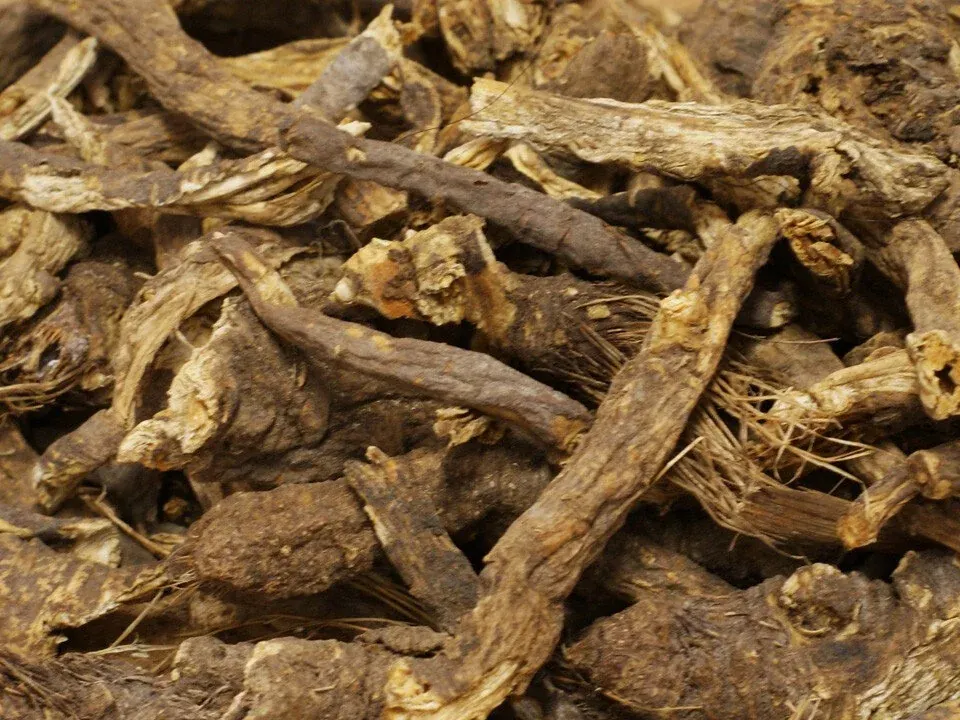
Osha is a plant with a presence: a deeply aromatic root, mountain associations, and a history that reaches well beyond the modern supplement shelf. Ligusticum porteri deserves attention as a botanical and respect for the Indigenous traditions in which it has been used.
Keep the story specific
Traditions differ between communities, and a brief wellness article cannot speak for all of them. It is more accurate to acknowledge that history than to collapse it into a universal claim about Native American medicine or assign the plant to unrelated herbal systems.
Osha is sometimes promoted for coughs, colds, or immune support. Research includes laboratory experiments, but there is not good clinical evidence that it prevents or treats respiratory infections in people. An effect in cultured human cells is still a laboratory finding—not a study of people taking the herb.
Let meaning remain meaningful
I once kept a small piece of osha root beneath my mattress as a personal ritual. For me, that detail belongs to the realm of symbolism and intention. It does not establish energetic cleansing, disinfection, or protection from infection.
A ritual can matter without a medical explanation. A pause before bed, a familiar scent, or an object that reminds you of the outdoors may help mark a transition. If fragrance bothers your breathing, leave it out. Burning herbs adds smoke to indoor air and is not a way to make a room medically clean.
Get to know the botanical story slowly
A meaningful introduction to a plant can begin with a book, a botanical garden, or a class that places it in its actual landscape. Learn the Latin name, look at the whole plant rather than only the root sold in a shop, and ask whose knowledge is being shared. A familiar common name can conceal more than one species.
When a resource discusses Indigenous use, look for the community and the context rather than a vague appeal to ancient wisdom. Some knowledge is not intended for casual adoption. Learning with respect includes accepting that a short commercial description may leave important parts of the story out.
Ask where a root comes from
A traceable supplier should be able to describe the botanical identity and sourcing of its product. Ask whether it is cultivated or wild collected, what stewardship practices are used, and how identity is checked. An evocative photograph of a mountain does not answer those questions.
Root-based products deserve particular thought because collecting the root usually removes the plant rather than taking a renewable handful of leaves. That makes a decision not to buy or harvest a plant a valid form of botanical appreciation.
Make a ritual without making a remedy
If what draws you is a connection to the landscape, bring that intention into a quieter form. Keep a photograph from a walk beside the bed, write a few lines about a place that matters, or choose a small object you already own as a reminder to slow down. The meaning comes from your relationship to the ritual, not from assigning an unverified medical power to the material.
Choose care for the plant, too
Do not use a short online description to identify and dig up a wild root. Osha belongs to a plant family that includes highly poisonous species, and root harvesting also removes the living plant. A reputable, traceable source matters; a photograph or a confident seller is not proof of identity or sustainability.
Safety information for medicinal use is inadequate, particularly during pregnancy, breastfeeding, or alongside medicines. For a persistent cough, breathing difficulty, chest pain, or fever that is not settling, seek more care. The plant's most responsible place here is as a subject of curiosity, not a promised respiratory remedy.
Put it into practice
Naturopathic foundations
What should I understand before exploring osha?
Know the botanical identity, source, and preparation before considering use. Respiratory care also begins with rest, fluids, and a comfortable environment. Osha has dangerous look-alikes, so foraging an unfamiliar root is not the place to begin.
Functional tests to consider
Rest, enough food, fluids, and an appropriate response to the illness come first. Frequent, unusual, or prolonged infections deserve a clinical assessment; selected blood testing may then be helpful.
CBC, ferritin & iron studies
A useful conversation when fatigue, heavy periods, hair shedding, or a restrictive diet raises the question of iron deficiency. Ferritin belongs alongside the blood count and the wider clinical picture; inflammation can raise it.
A mind–body practice
Meet one living thing
Choose a plant or tree you can observe safely. Spend a few minutes with its shape, color, and movement. You do not need to touch, pick, or consume it. Let curiosity be the whole activity.
A little more clarity
Do I need an immune panel before using a seasonal herbal remedy?
Not routinely. The important questions are what symptoms are present, how long they have lasted, and whether they are worsening or recurring unusually. Choose testing from that picture, and distinguish a comforting ritual from treatment for an active infection.
For education and reflection. Individual needs vary. For persistent symptoms or personal guidance, seek additional care from a qualified clinician or appropriate specialist.
References
- Effects of Ligusticum porteri Root Extract on Human Promyelocytic Leukemia Cells (2017) · Laboratory cell study; not a human treatment trial
- American Herbal Products Association: Osha Good Stewardship Harvesting Brochure · Botanical trade-association stewardship and identification guidance