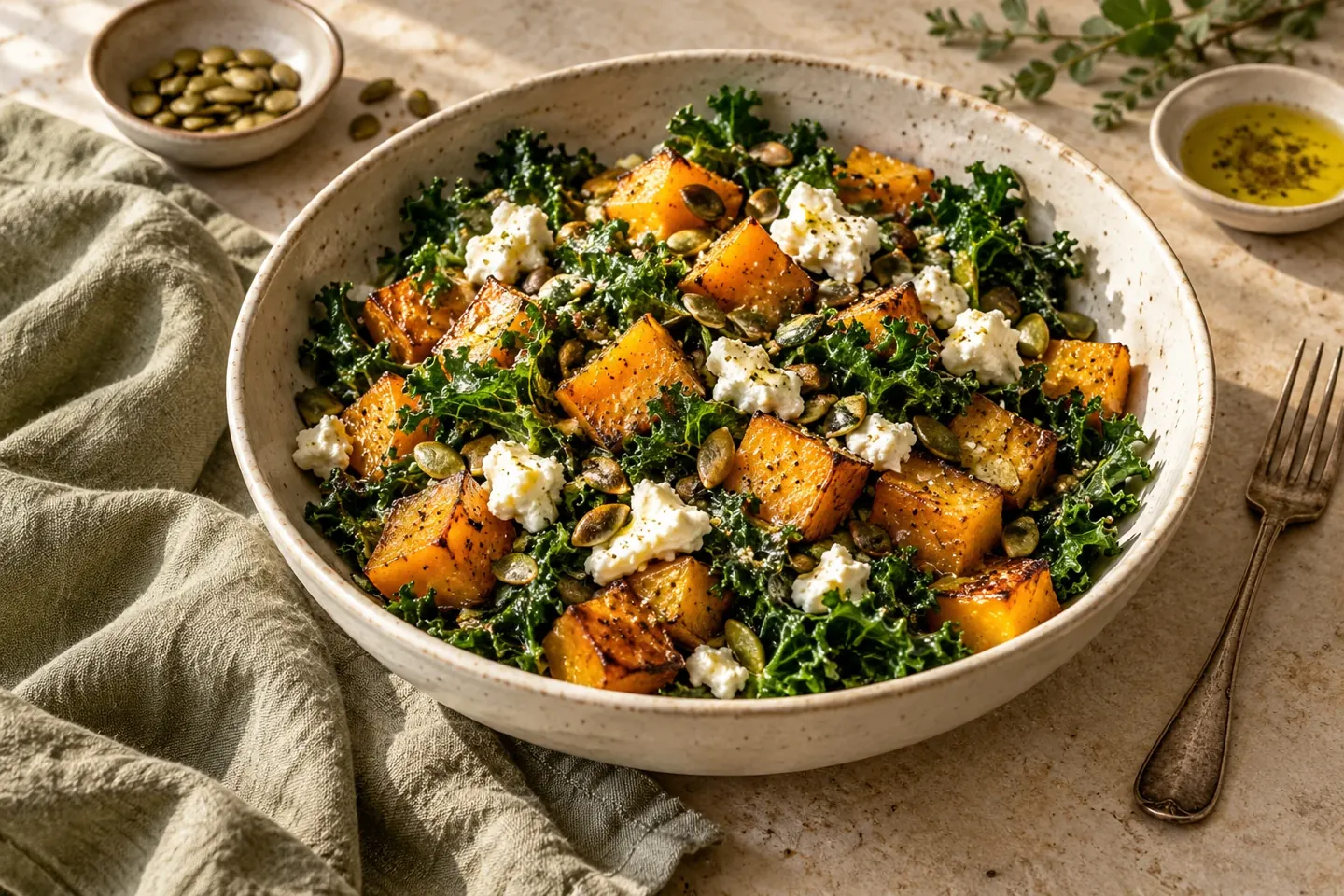
A bowl of beans with herbs and olive oil. Oats warming on the stove. A sharp forkful of fermented cabbage beside dinner. The conversation about the gut microbiome can become very technical, very quickly, yet so much of our relationship with this inner world begins in the kitchen.
When I first wrote about beneficial bacteria, the emphasis was on bringing more of the good ones in. I still find microbial life fascinating, but I would frame the question more broadly today: what kind of environment are we cultivating, and what helps us feel well within it?
Feeding a living community
Our gut microbes encounter the foods we eat, and changes in diet can alter both microbial composition and activity. In a small controlled study published in Nature, short-term animal-based and plant-based diets produced rapid changes in the gut microbiome. That responsiveness is compelling. It also tells us that a microbial snapshot belongs to a particular moment, not necessarily to a fixed identity.
Plant foods offer many different structures and compounds. Beans, whole grains, vegetables, fruits, nuts, and seeds bring distinct fibers as well as a range of phytochemicals. I like the practical generosity of that idea: a varied table gives us more to work with than a narrow list of foods promoted as uniquely healing.
For someone with a sensitive digestive system, variety needs to be introduced in a way the body can tolerate. A dramatic increase in beans, raw vegetables, or other fermentable foods may feel very different from adding a small amount over time. The aim is nourishment and comfort, not winning a contest for the most ingredients.
Fermentation: food, craft, and inheritance
Fermented foods hold a place at the intersection of microbial life and human culture. There is skill in the sourness of yogurt, the complexity of miso, the texture of cabbage transformed by salt and time. I love the way fermentation asks us to participate in a process we cannot completely see.
A 2021 randomized dietary study followed 36 adults assigned to a high-fiber or high-fermented-food diet. The fermented-food group showed increased microbial diversity and reductions in several inflammatory markers. The high-fiber group had different responses, including changes in microbial function; its average microbial diversity did not increase. This was a small study, and it does not establish a prescribed menu for everyone.
Its most useful invitation may be to stay curious about ordinary foods. Fermented and probiotic are not interchangeable labels, and a cultured food need not contain the precise organism, amount, or evidence associated with a particular clinical finding. Enjoying a traditional food and demonstrating a specific health effect are different questions, each worth asking clearly.
The ritual around the meal
Traditional food knowledge also concerns how a meal is prepared, offered, and shared. The patient work of cooking, the familiar smell of a family recipe, and the awareness that food came from soil and living plants give nourishment a meaning that a nutrient panel cannot contain.
I think the garden is a useful spiritual image here. Tending calls for patience. It asks us to notice conditions and seasons, to make room for change, and to care without expecting every process to be under our control. Applied to eating, that can look like setting a place, taking a moment of gratitude, and actually tasting what is in front of us.
Let those practices accompany a generous, individualized approach to food. If digestive symptoms keep returning, seek additional care rather than endlessly restricting your diet or adding products. Blood in the stool, unexplained weight loss, or severe persistent abdominal pain calls for prompt assessment. The inner garden deserves attention, and so does the whole person living around it.
References & further reading
For education and reflection. Individual needs vary. For persistent symptoms or personal guidance, seek additional care from a qualified clinician or appropriate specialist.