Rose otto has long been a personal favorite: floral, intimate, and a little transporting. There is something lovely about a fragrance that feels close to the skin rather than announcing itself across the room.
Botanical perfumery can be a beautiful way to enjoy plants. The nuance matters, though: an essential oil is a concentrated extract, not a flower in its untouched state. “Natural” describes its origin; it does not tell us whether someone’s skin or lungs will tolerate it.
Make room for sensitivity
Both plant-derived and synthetic fragrances can cause irritation or allergy. A scent can also trigger headache or breathing symptoms for some people. That is a reason to be considerate about where and how much we wear, without assuming every perfume is broadly toxic.
Choose a product made for skin use and follow its directions. Avoid applying undiluted essential oil directly to the skin, and keep it away from eyes and broken skin. A small trial on intact skin may reveal irritation, although it cannot guarantee that an allergy will not develop later.
Choose the form that suits the moment
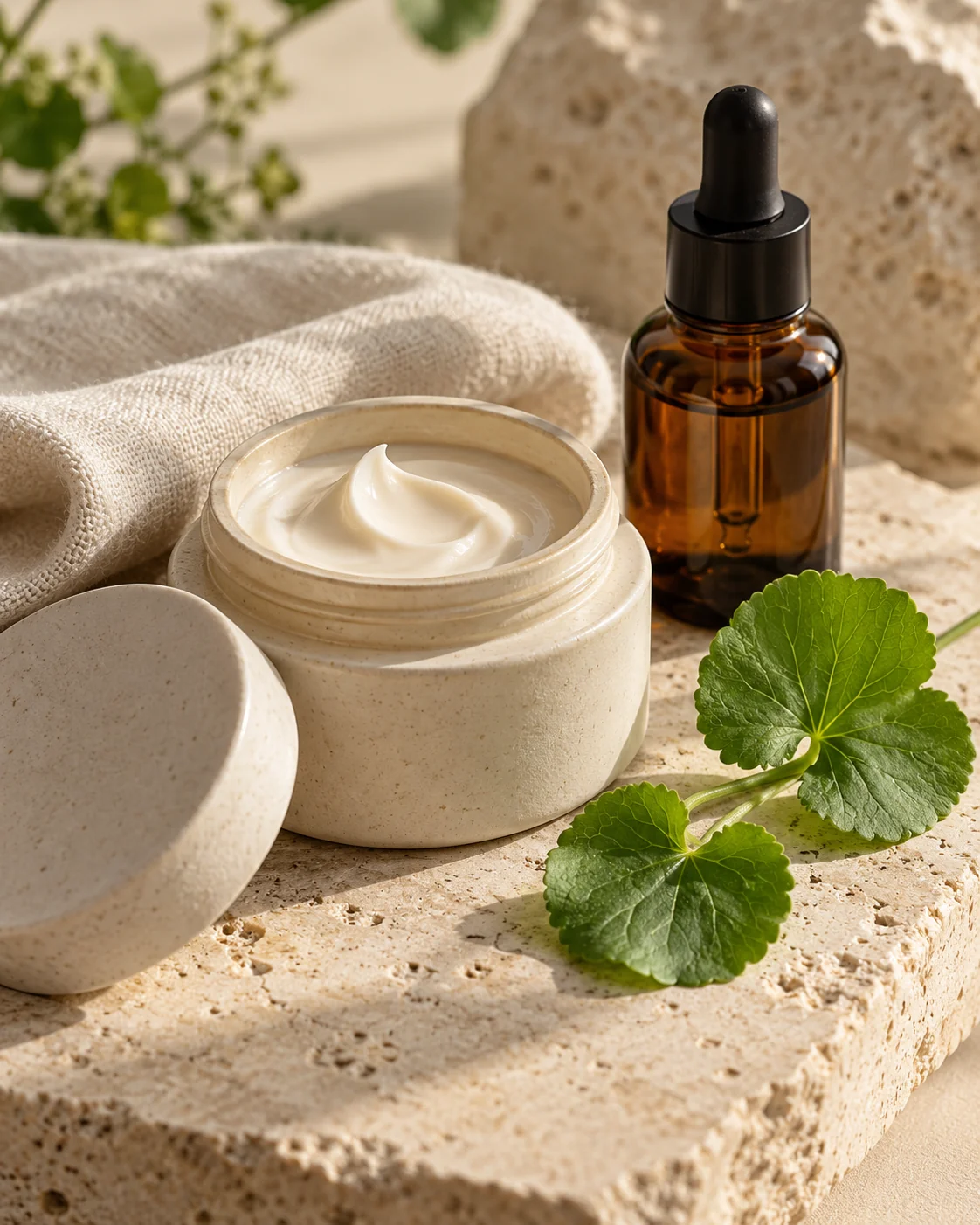
A diluted perfume oil, a conventional spray fragrance, and a bottle of essential oil are different products. A perfume intended for skin use should provide directions for that purpose. An essential oil sold as an aromatic ingredient may need further formulation; adding it by eye to lotion is not the same as buying a finished cosmetic.
If rose is your starting point, notice what you enjoy about it: a fresh-petal quality, something greener, or a warmer finish. The descriptive language of perfume can help you choose a scent without needing a health claim to justify it. A small sample is often more useful than a large bottle chosen because of the word “clean.”
Give a fragrance some space
Try a new product on a quiet day, with fewer other scented products in the routine. Keep the packaging so you can check ingredients if a reaction appears. Consider scent-free spaces, people sharing the room, and your own response after several hours. The right amount may be much less than the bottle suggests—or none on days when your skin or senses want a break.
Let less be enough
One lightly scented product is easier to assess than a layered collection of wash, lotion, oil, and perfume. In shared spaces, an unscented day can be a generous choice. For reactive skin, fragrance-free care is often the simpler starting point.
Stop a product that causes burning, itching, or a rash. Recurrent reactions merit help identifying the ingredient involved; trouble breathing or facial swelling requires urgent attention. The ideal scent leaves a beautiful impression and lets the person wearing it feel comfortable.
Put it into practice
Naturopathic foundations
How can I enjoy fragrance with a lighter touch?
Choose a small, well-tolerated amount and leave room for fragrance-free days. Notice the response of your skin, breathing, and the people sharing the space. The pleasure of a scent does not require making it part of every product.
A mind–body practice
A kinder moment at the mirror
Set down the magnifying mirror. Apply a familiar moisturizer with a light touch, noticing temperature and texture. Unclench your jaw. Name one thing your body allowed you to do today that has nothing to do with its appearance.
For education and reflection. Individual needs vary. For persistent symptoms or personal guidance, seek additional care from a qualified clinician or appropriate specialist.
References
- Fragrances in Cosmetics (2022) · FDA consumer safety guidance
- Aromatherapy (2023) · FDA consumer safety guidance