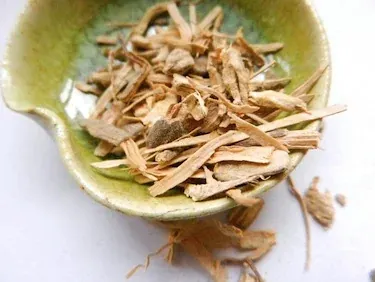
Kava's story begins in Pacific communities, where the drink has social, ceremonial, and medicinal significance. The root of Piper methysticum is prepared in ways that belong to particular traditions. Its growing presence in wellness menus deserves both cultural respect and a clear-eyed look at the evidence.
The calm people are looking for
Kava contains compounds called kavalactones. Some research suggests kava preparations may help certain anxiety symptoms, although findings vary and benefit is not established for generalized anxiety disorder. It is not accurate to call it a natural equivalent of a sedative medicine or promise relaxation without impaired judgment.
Different plant varieties, parts, extraction methods, and products complicate comparisons. A cup made at home cannot be assumed to match an extract used in a trial. “Traditional” and “water prepared” also do not guarantee an absence of risk.
Make the social setting part of the conversation
Interest in kava often includes a wish for a different kind of evening: somewhere to gather, something to sip, and less emphasis on alcohol. That is a worthwhile social idea. It helps to separate the setting from the substance so you can decide which part you are actually looking for.
Ask what is in the cup
At a venue or when considering a packaged product, ask for a clear ingredient list and preparation information. A menu description such as “relaxing” or “botanical” does not tell you the amount, plant part, or other ingredients involved. Blends make the question more complicated, especially when several active substances are combined.
If that information is unavailable, you can still enjoy the gathering with a different drink. Choosing a social ritual does not require choosing every ingredient attached to it.
Respect the tradition without simplifying it
Pacific kava traditions have their own cultural settings and meanings. A contemporary wellness drink is not a complete representation of those practices. Look for accounts from the communities involved if you want to understand the history, and be cautious about borrowing a ceremony as a generic relaxation technique.
For a personal evening routine, identify the experience you want: a conversation that lasts longer, a clear end to work, or a quieter transition toward sleep. You can build around those aims directly. That makes any decision about kava more deliberate, with the social benefit and the botanical risk considered on their own terms.
The important limit
Kava products have been associated with rare but serious liver injury, including cases involving water-prepared drinks. The precise reasons remain uncertain. Kava can also cause dizziness and digestive symptoms, and combining it with alcohol or other sedating substances can be dangerous. Avoid driving or other tasks requiring alertness after use.
The right preparation and an individual safety review matter. Anyone considering kava should first review liver health, medicines, and the specific product with a qualified professional. Avoid it during pregnancy or breastfeeding, and do not use it as a way to make regular alcohol consumption safer.
Build the evening around ease
The desire underneath the kava trend is understandable: a transition out of a busy day. A warm caffeine-free drink, a few slow stretches, softer lighting, or an unhurried conversation can create that transition without requiring a psychoactive ingredient. Choose the ritual that feels sustainable.
Stop kava and seek prompt care for yellowing eyes or skin, dark urine, loss of appetite, or unusual fatigue. Persistent anxiety, panic, or disrupted sleep deserves a personalized conversation. Calm is a worthwhile goal; the route should suit your whole health picture.
Put it into practice
Naturopathic foundations
What belongs before a botanical for unwinding?
Give the evening a real transition: eat, put work away, and make space for company or quiet. Review alcohol, sedating medicines, and the purpose of a kava preparation before combining anything. The ritual should make recovery easier to protect.
Functional tests to consider
A stressful season and a new physical symptom deserve to be understood together. Start with recovery and daily demands, and investigate persistent fatigue or other symptoms rather than assuming the cause.
CBC, ferritin & iron studies
A useful conversation when fatigue, heavy periods, hair shedding, or a restrictive diet raises the question of iron deficiency. Ferritin belongs alongside the blood count and the wider clinical picture; inflammation can raise it.
TSH & free T4
Consider these when ongoing fatigue, cold intolerance, constipation, changing weight, or cycle changes suggest a thyroid question. Thyroid antibodies can add context when autoimmune thyroid disease is suspected. Supplements, medications, and timing matter when interpreting results.
A mind–body practice
Close the day on paper
Write one thing that is finished, one thing that can wait, and one thing you need tomorrow. Close the notebook and lower the lights. Let this be a clear ending to work, even when every task is not complete.
A little more clarity
Does feeling stressed mean I need cortisol testing?
Not automatically. Cortisol testing answers specific clinical questions about hormone excess or deficiency. For ongoing exhaustion, a broader history and targeted tests such as iron or thyroid studies may be more informative than labeling every stress pattern an adrenal problem.
For education and reflection. Individual needs vary. For persistent symptoms or personal guidance, seek additional care from a qualified clinician or appropriate specialist.
References
- NCCIH: Kava · Public health evidence summary