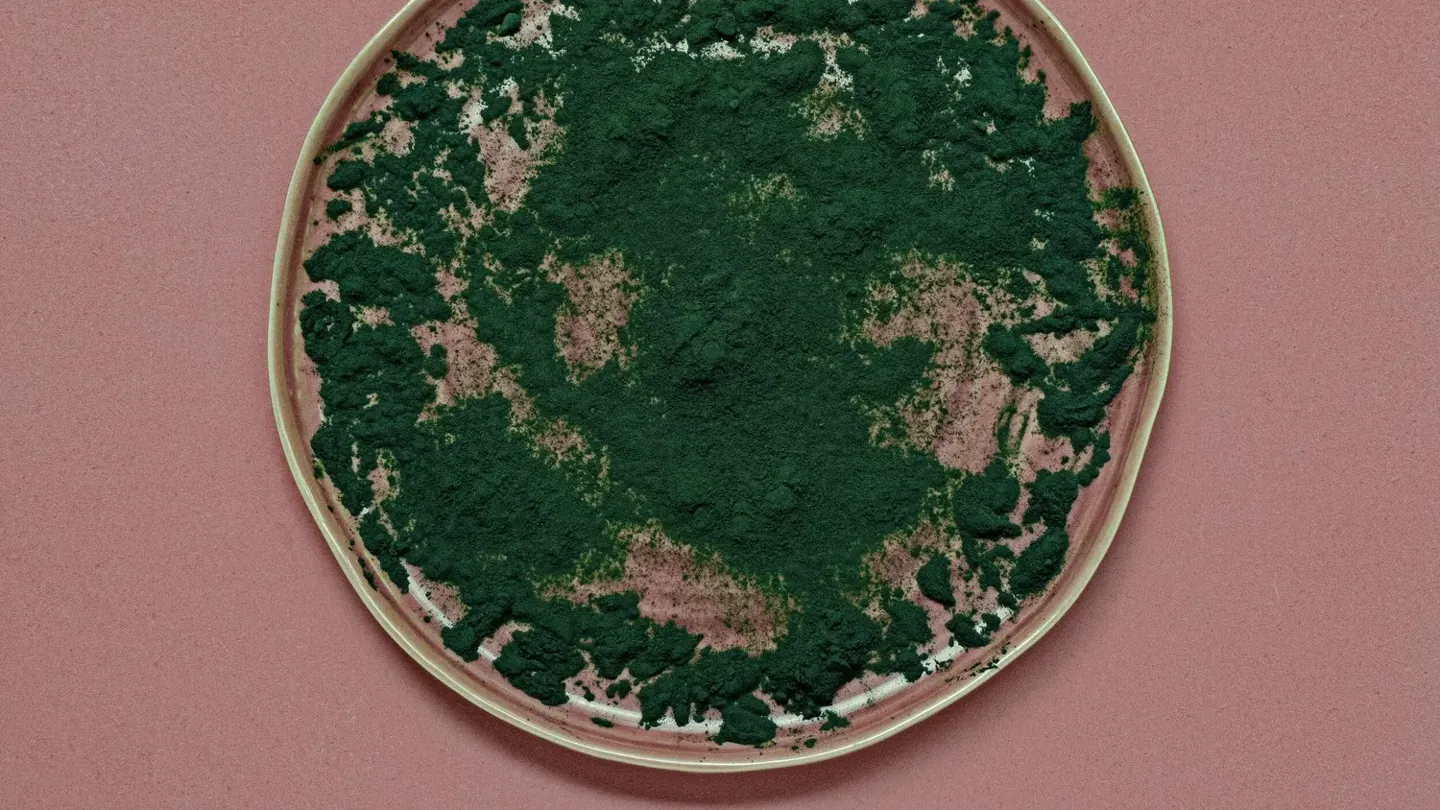
Spirulina turns a smoothie an extraordinary shade of green. Sold as a powder or tablet, it is made from cultivated cyanobacteria, often called blue-green algae. It can contribute protein and some nutrients, but the amount you actually eat matters far more than an impressive percentage on a dry-weight chart.
Do the serving-size math
Start with the portion you actually plan to eat. A label may describe an impressive protein percentage by dry weight, while a small spoonful supplies a much smaller amount. Look at the grams per serving, then compare that serving with other ingredients you enjoy. That gives you a more useful picture of what the powder contributes to breakfast.
If breakfast needs more staying power, build the smoothie around a meaningful protein source—plain yogurt, a suitable protein powder, or fortified soy milk—then decide whether you enjoy spirulina's flavor. It is an optional accent. It is also not a dependable source of vitamin B12 for someone eating a vegan diet; some B12-like compounds in algae are not useful substitutes for an established B12 source.
Build a breakfast that tastes like breakfast
Spirulina has a distinctive flavor: green, slightly marine, and quite noticeable in an otherwise mild drink. If you like it, give it a supporting role in a blend you already enjoy. Banana brings body, berries add brightness, and a squeeze of lime can make the whole glass taste more intentional. You should be able to recognize and enjoy the ingredients around it.
Start with the base
Choose a milk, yogurt, or other base that fits your needs, then add fruit and whatever else makes the drink satisfying. The powder comes last. This order keeps a fashionable ingredient from making the decisions for the entire meal. A spoonful stirred into a very small glass will also taste more concentrated than the same amount in a family-sized blender.
Read the label in portions
Look at the serving listed on the package and compare it with the amount you actually intend to use. That is the relevant amount for protein and other nutrients. A blend containing spirulina, fruit powders, and sweeteners is a different product from plain spirulina, even when both have the same vivid color.
Keep the container closed and follow its storage directions. Choose a size you can reasonably use while it is fresh. If the flavor never becomes a pleasure, there is no reason to hide it behind more and more sweet ingredients. Plenty of excellent breakfasts are an entirely different shade of green—or not green at all.
Quality is the real headline
Algae products can be contaminated with microcystins, harmful compounds made by certain cyanobacteria, as well as other unwanted material. Research examining retail spirulina products has raised microbiological quality concerns. That does not mean every product is contaminated, but it makes sourcing and batch testing relevant.
Choose a clearly identified cultivated product from a supplier that provides independent testing for relevant contaminants. A generic “tested” claim is less informative than knowing what was tested. Never collect algae from a pond or lake to eat.
Blend for pleasure
Begin with a small amount in a familiar blend, such as banana, berries, and yogurt, and follow the product directions. Stop if it causes an adverse reaction. Spirulina has not been shown to remove mercury or broadly detoxify the body. Pregnancy, breastfeeding, immune-related conditions, and ongoing medicines warrant a specific safety review before supplement use. Green can be delicious; it does not need to stand in for an entire meal.
Put it into practice
Naturopathic foundations
Can spirulina take the place of a balanced meal?
Build the meal first: enough food, a dependable protein source, and a variety of plants. A small amount of spirulina can be an optional ingredient. If you eat a vegan diet, plan a reliable B12 source rather than relying on spirulina to provide it.
Functional tests to consider
Look at food intake, absorption, medications, and the reason for supplementation. A nutrient can be essential without a high-dose supplement being appropriate for everyone.
Vitamin B12, with MMA when indicated
Worth considering with a vegan diet, malabsorption risk, unexplained anemia, or persistent tingling and cognitive changes. Methylmalonic acid can help clarify a borderline B12 result; kidney function affects its interpretation.
CBC, ferritin & iron studies
A useful conversation when fatigue, heavy periods, hair shedding, or a restrictive diet raises the question of iron deficiency. Ferritin belongs alongside the blood count and the wider clinical picture; inflammation can raise it.
A mind–body practice
The first three bites
Put the screen away and place both feet on the floor. Before eating, notice the color and scent of the food. Take the first three bites slowly enough to notice their texture, then check in with hunger and comfort.
A little more clarity
How do I choose B-vitamin testing thoughtfully?
Choose it from the suspected deficiency and the symptom history. B12, folate, and related markers answer different questions. Review the total amount from all supplements, especially B6, rather than assuming a larger dose creates a larger benefit.
For education and reflection. Individual needs vary. For persistent symptoms or personal guidance, seek additional care from a qualified clinician or appropriate specialist.
References
- FDA: Blue-Green Algae Products and Microcystins (2024) · Food safety guidance
- Microbiota and Cyanotoxin Content of Retail Spirulina Products (2023) · Primary product-testing study