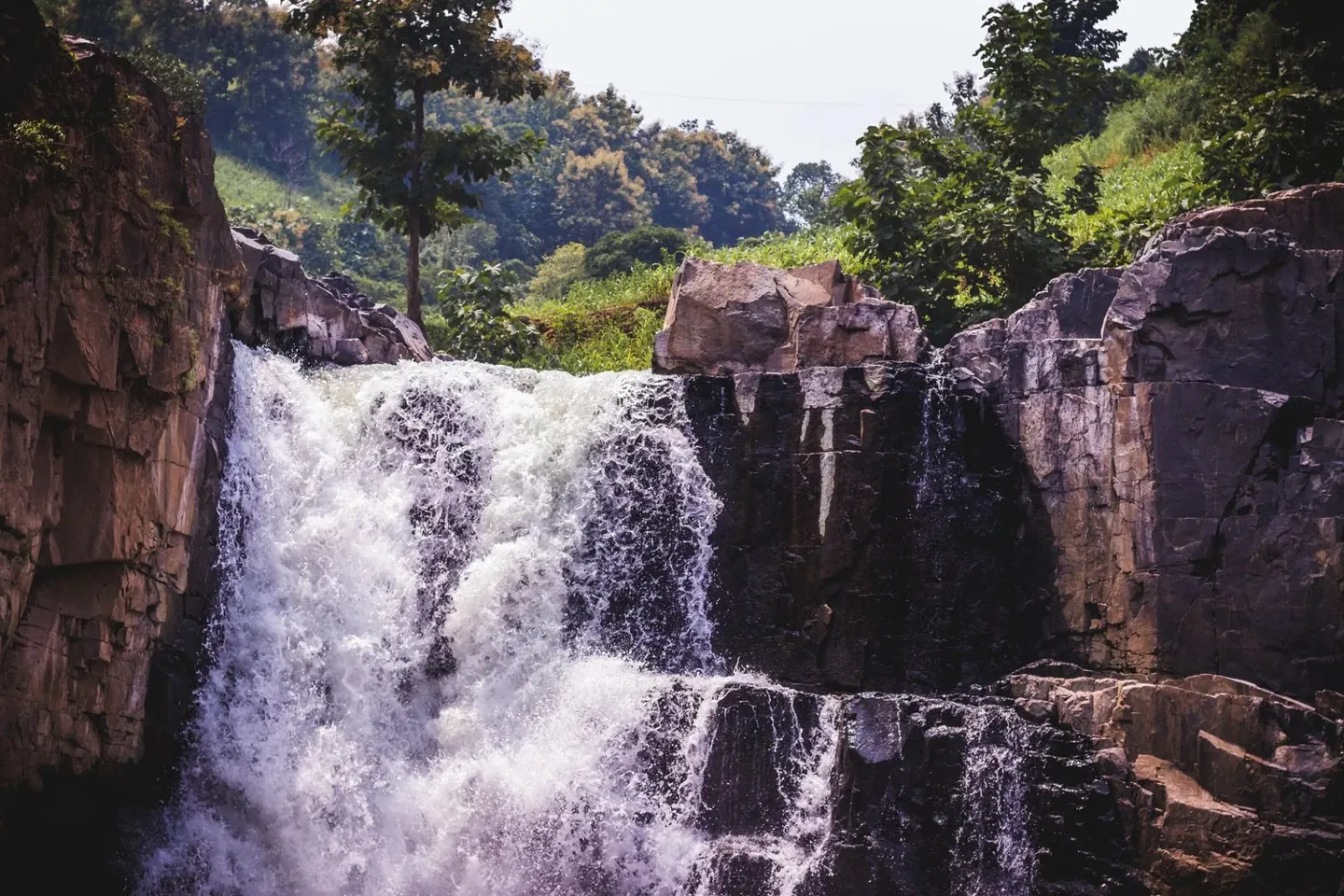
Standing near a waterfall gives the senses something magnificent to do. Sound fills the space, cool mist reaches the skin, and the eye follows water in constant motion. For a little while, the day’s internal conversation can become quieter.
That experience is reason enough to seek out moving water. A riverside path, a safe coastal viewpoint, or an urban fountain may offer a smaller version of the same pleasure.
The question of negative ions
Breaking water droplets can generate negatively charged air molecules. Some small clinical studies have explored high-density negative-air-ion devices for mood symptoms. Those controlled exposures are very different from a walk near a waterfall, where the dose, duration, and surrounding conditions are unknown.
We cannot conclude that waterfall air enters the bloodstream and raises serotonin, or that it treats depression. Movement, scenery, time away from demands, and simple enjoyment may all contribute to how good a visit feels. The beauty does not become less real because the mechanism is uncertain.
Let the setting do the work
You do not have to turn a visit into a meditation session to be present for it. Find a stable place to pause and notice one layer of the scene at a time: the larger rush of water, a smaller stream at the edge, the pattern of light in the spray. Looking closely can be absorbing in its own right.
If you are with someone, leave a little room for silence before talking. If you are taking photographs, try enjoying the view first and reaching for the camera afterward. Neither choice is a rule; they are ways to give the experience some attention before it becomes something to document.
A version closer to home
Access to a waterfall is not a prerequisite for an enjoyable water ritual. Sit beside a safe public fountain, take a route along a river, or choose a bench with a view of the sea. Even a short visit can mark a transition between work and the rest of the day. Choose the place that is realistic for your mobility, time, weather, and company.
Make it a small excursion
Choose a route that suits your energy, bring water, and give yourself permission to pause. You might stand still for a minute, notice three sounds, and follow one comfortable breath in and out. There is no need to chase a dramatic plunge for the experience to count.
Stay behind barriers, keep clear of slippery edges, and never assume a waterfall pool is safe for swimming. Strong currents, submerged hazards, and sudden water changes can be difficult to see. The most restorative visit is one you return from comfortably.
References & further reading
- Controlled trial of bright light and negative air ions for chronic depression (2005) · Small randomized human trial
For education and reflection. Individual needs vary. For persistent symptoms or personal guidance, seek additional care from a qualified clinician or appropriate specialist.