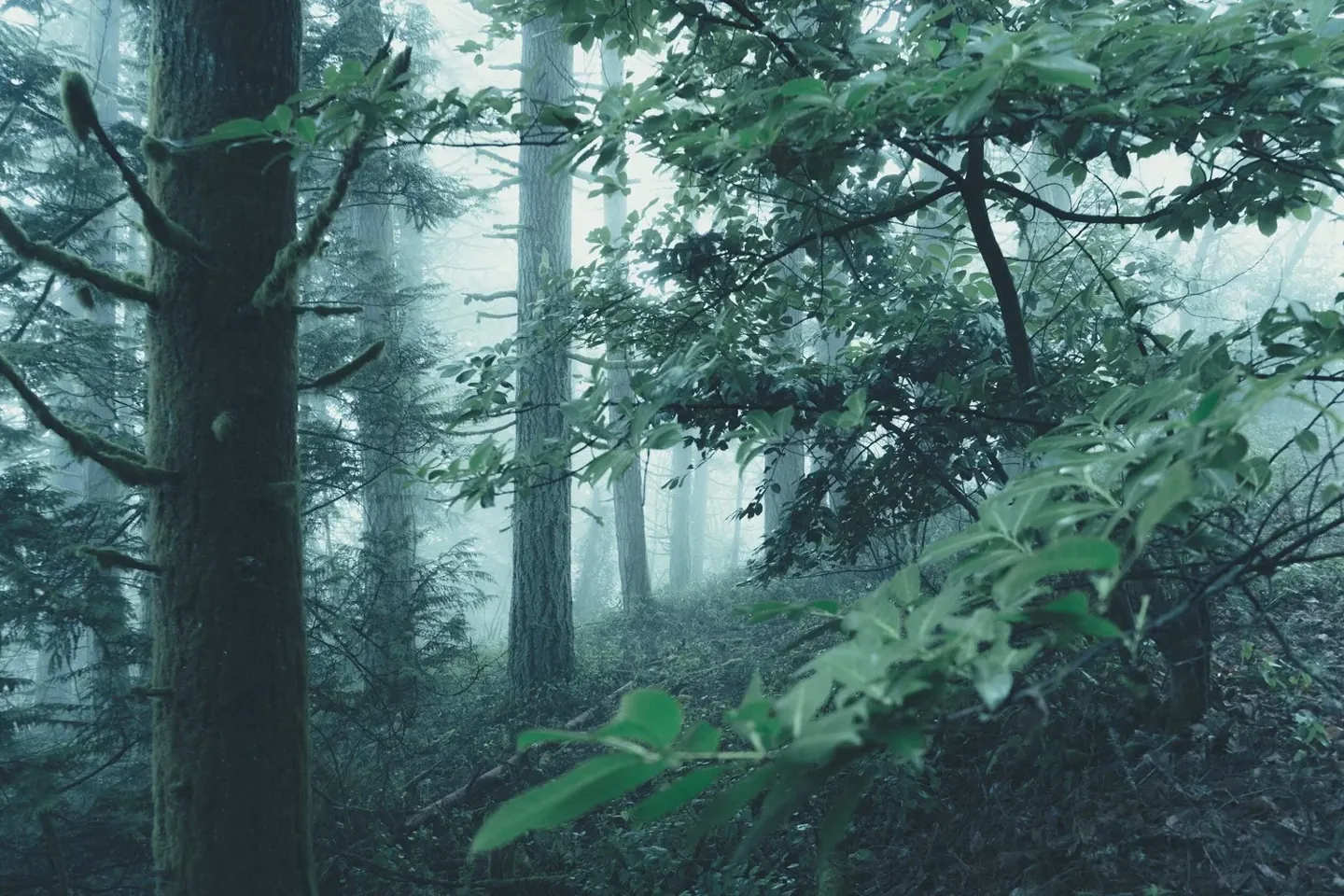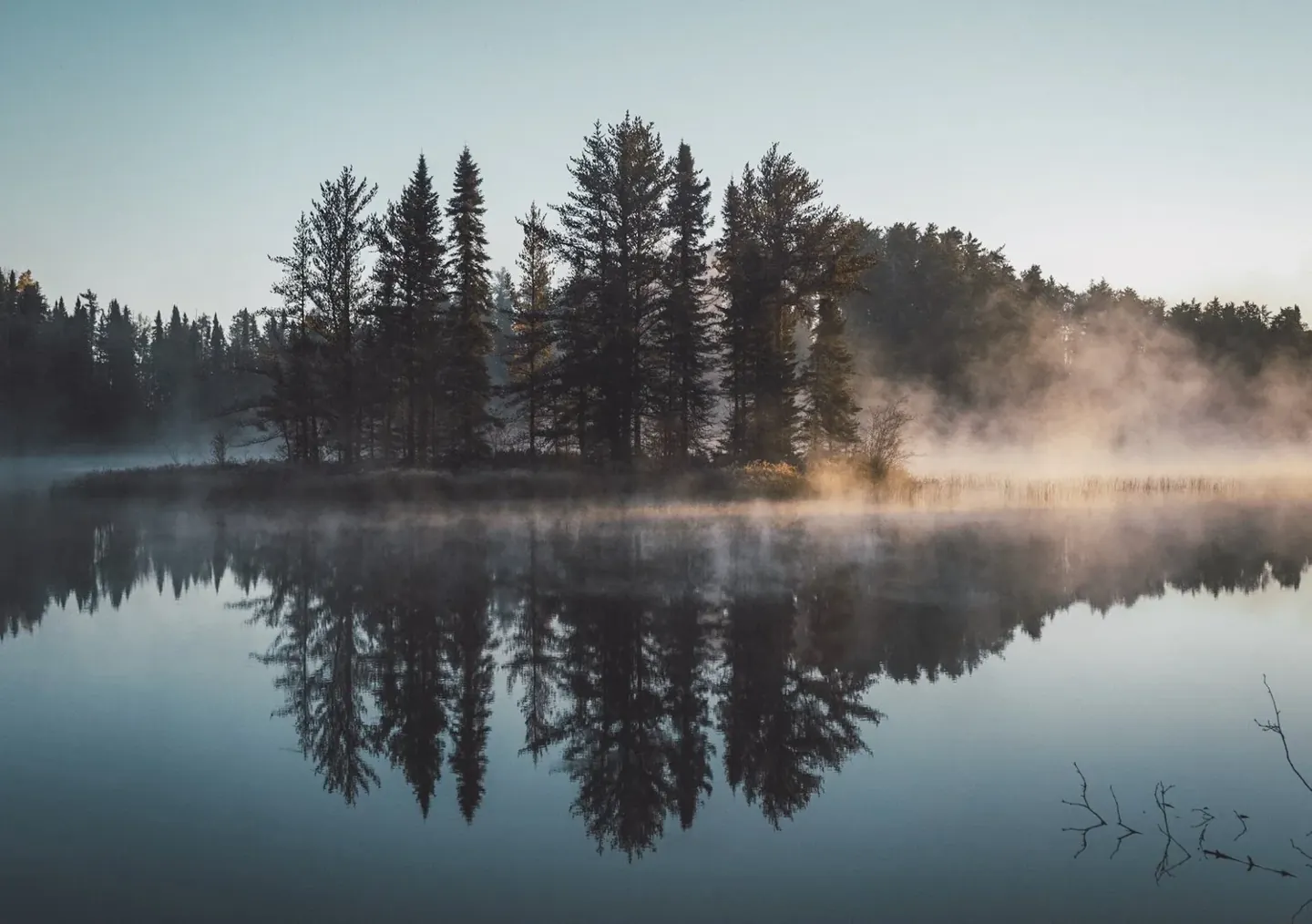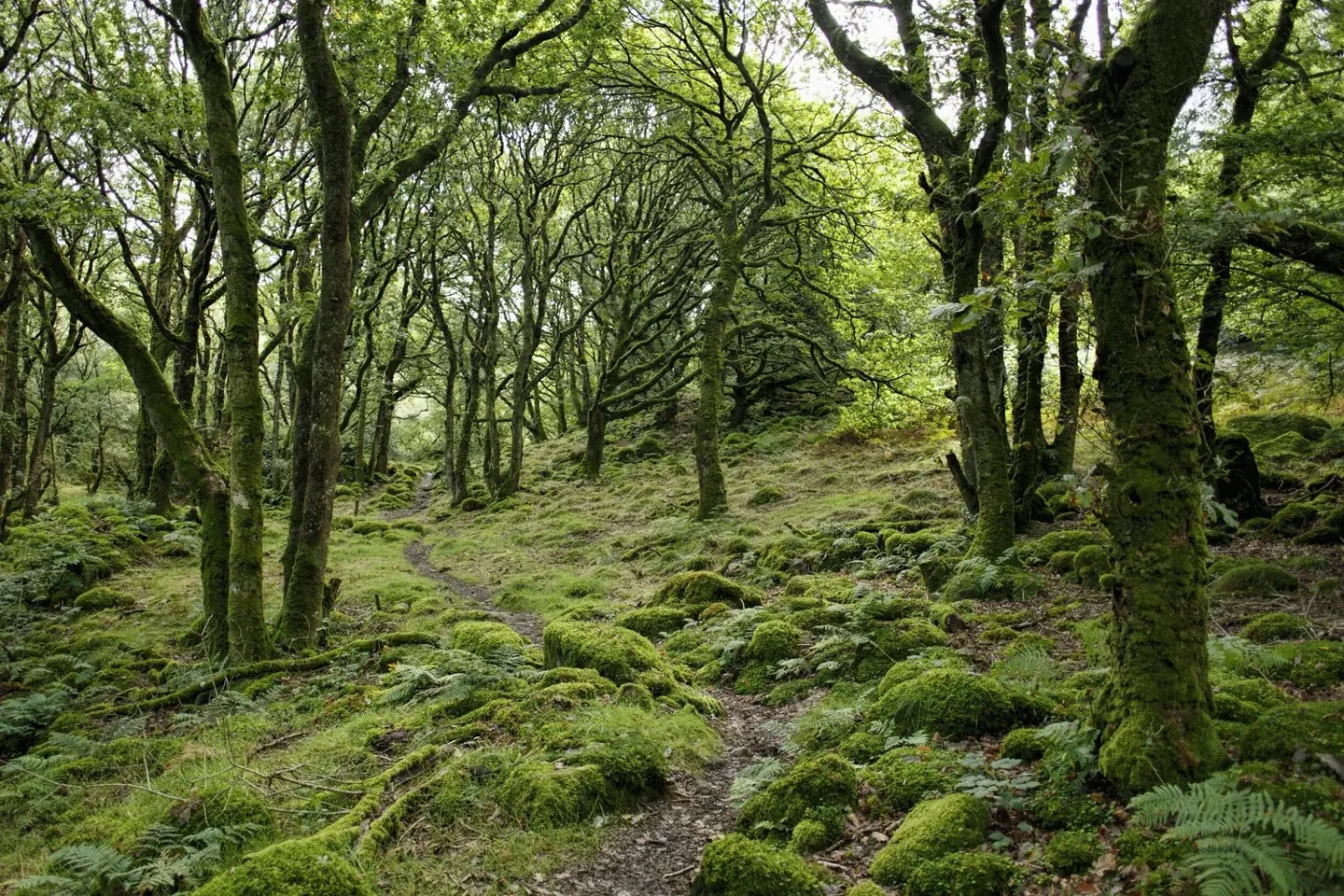
Under trees, attention has somewhere different to land: the texture of bark, the movement of water, the changing green of the understory. A forest walk can feel grounding in the most ordinary sense. You are somewhere tangible, with fewer demands competing for every moment.
Human research gives some support to this experience. In one controlled experiment, a walk in a natural setting reduced reported rumination compared with an urban walk. It was a small study in healthy participants, not a prescription for every mental-health concern, but it points toward a practical pleasure worth making room for.
Build a gentle outdoor ritual
Choose a familiar route and leave enough time to move without rushing. Pause where the light changes. Listen before taking a photograph. If walking is not accessible, a bench, garden, or open doorway with a view of trees can still create a deliberate break from the day.
Going barefoot is optional. Shoes are the wiser choice around sharp rocks, hot surfaces, contaminated ground, or areas with biting insects. People with reduced foot sensation, poor circulation, or wounds should protect their feet. Feeling connected to the ground does not require direct skin contact.
Keep the wonder; be precise about the science
Claims that the Earth's electrons detoxify the body or synchronize hormones are not established by convincing clinical evidence. Waterfalls do generate charged particles, but that does not demonstrate a meaningful serotonin treatment from standing nearby. The sound, scenery, movement, and pause are already substantial parts of the experience.
Likewise, clear water and pristine-looking mud are not proof of microbiological safety. Enjoy a waterfall from a secure viewpoint, and leave unknown mud on the riverbank.
A walk with three small pauses
Give the outing a loose shape rather than an ambitious goal. At the beginning, choose a pace that lets you take in the surroundings. You do not need to count steps or seek out the most remote trail. A route that feels familiar and accessible can make it easier to pay attention.
First, look close
Pause beside something ordinary: a leaf, a fallen branch, a patch of moss. Notice its edges, pattern, and color. Try describing it silently without deciding whether it is useful. This is an attention exercise, not a method for identifying an edible plant.
Then, listen wider
Stand or sit where you are secure and notice the nearest sound, then the farthest. If the environment feels overwhelming, choose one steady sound rather than trying to absorb everything. Keep enough attention on the path, other people, and changing conditions to remain comfortable.
Finally, leave a little unrecorded
Put the camera away for a portion of the walk. At the end, make one note about what you noticed. Over time, you may begin to recognize the same place through different weather and seasons. Familiarity can be as rewarding as novelty.
Bring water, appropriate layers, and the equipment your route requires. Tell someone your plan when heading somewhere remote, and turn back before fatigue makes the return difficult. Staying on a well-chosen path leaves more room to enjoy the details. The forest does not have to be challenging to be absorbing.
Forage with knowledge
Wild berries, greens, and mushrooms require confident identification by someone with local expertise. A photograph or app alone cannot establish edibility. Follow land-access and conservation rules, avoid contaminated sites, and never taste an uncertain plant. You can return with a page of sketches and a quieter mind without taking anything from the forest.
References & further reading
- Bratman et al. — Nature experience reduces rumination and subgenual prefrontal cortex activation (2015) · controlled human experiment
- RNLI — The dangers of cold water shock · water-safety authority guidance; accessed 2026
For education and reflection. Individual needs vary. For persistent symptoms or personal guidance, seek additional care from a qualified clinician or appropriate specialist.