Aloe's appeal is wonderfully tactile: the clear gel inside a thick leaf, a cool glide across skin, a succulent that seems designed for a sunny windowsill. In skin care, that cooling sensation has made it a familiar ingredient in products for minor irritation and dryness.
The part matters
Aloe products may contain inner-leaf gel, the yellow latex near the outer leaf, or whole-leaf material. These are not interchangeable. A gel intended for the skin is not a drink, and a leaf cut from a houseplant is not a reliably prepared food ingredient.
Human research suggests topical aloe gel may help burn healing and reduce burn-related pain in some settings. Studies differ in preparation and quality, so this is not a promise for every product or every burn. Evidence for other skin conditions is limited, and the moisturizing formula around the aloe also contributes to how a product feels.
Make the skin ritual simple
Choose a clearly labeled topical gel or moisturizer, ideally without fragrance if your skin is sensitive. Patch-test first, apply only as directed, and stop if it causes burning, itching, or a rash. Aloe is not a substitute for sun protection, and extensive, deep, blistering, chemical, or electrical burns need appropriate assessment.
For a fresh burn, cooling it promptly with cool running water comes before adding a cosmetic. Avoid ice. If the injury is on a sensitive area, is large, or involves a child, seek guidance promptly.
Look beyond the aloe on the front label
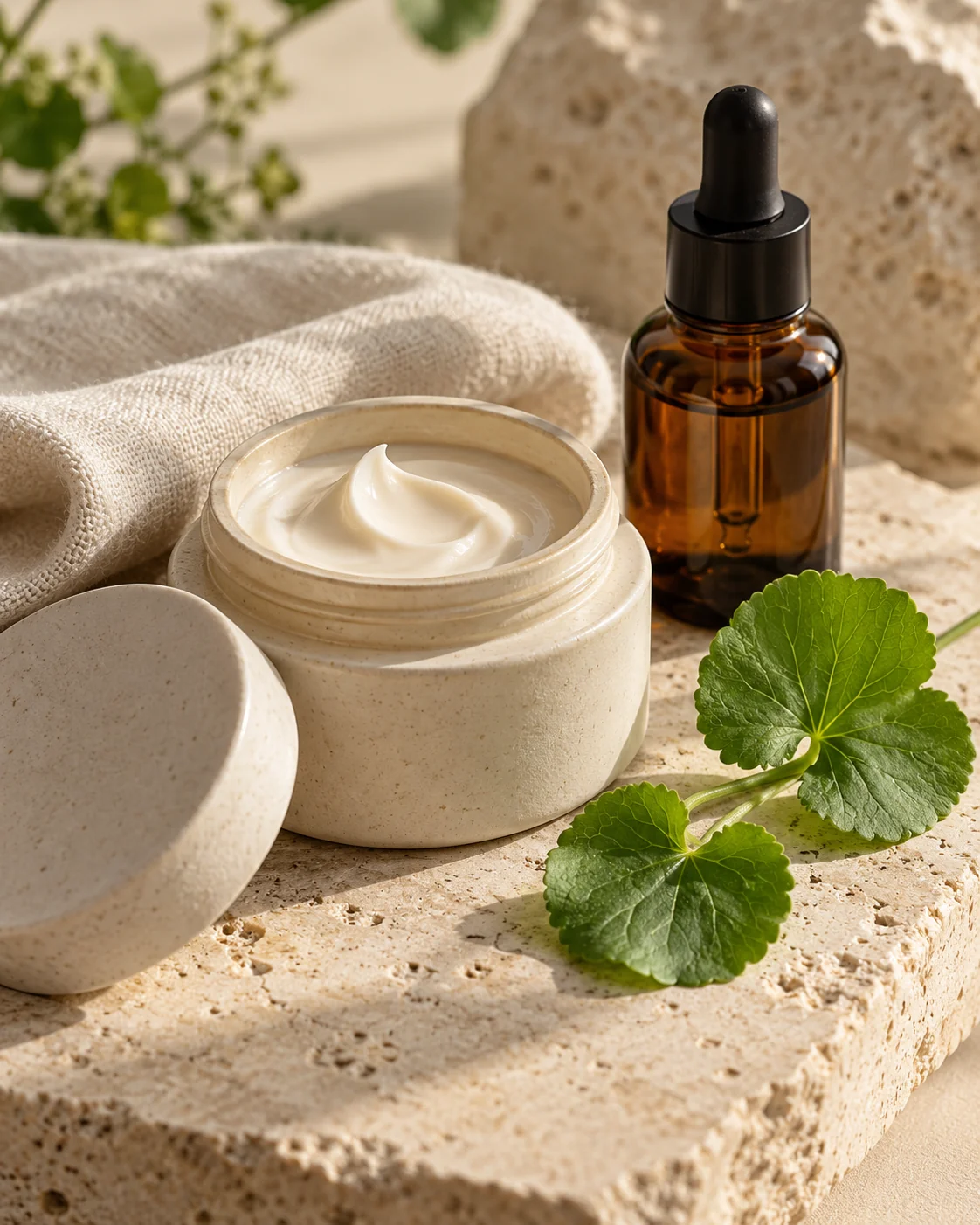
Aloe appears in clear gels, creams, lotions, and products containing many other botanical ingredients. The texture you enjoy comes from the complete formula. A watery gel and a richer moisturizer may both contain aloe while feeling very different on the skin.
Choose for the job
If you want a light, cooling sensation on intact skin, a simple gel may be appealing. If the main issue is dryness, consider whether the overall product supplies the texture and comfort you need. Read the directions and ingredient list rather than assuming a larger aloe percentage makes every formula better.
Fragrance, color, and other added ingredients can influence how a product suits you. Introduce one new product at a time so it is easier to recognize what agrees with your skin. There is no need to combine several “soothing” products simply because they share that description.
Let the plant be a plant
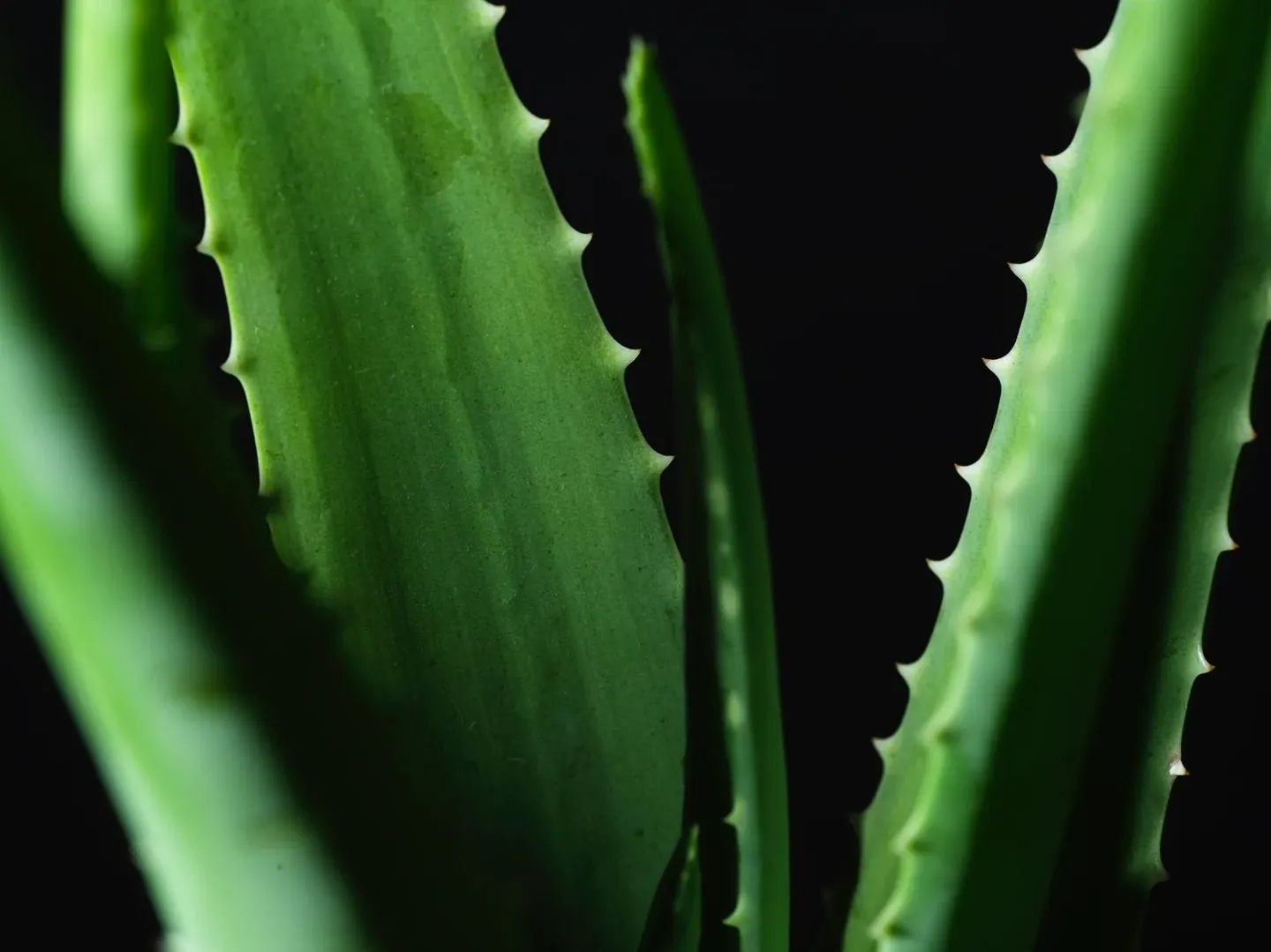
An aloe on the windowsill offers sculptural leaves and a particularly pleasing shade of green. Enjoying it there does not oblige you to cut it open for skin care or food. A product prepared for a defined use gives you information that a fresh leaf cannot: an ingredient list, directions, and a specified place in a routine.
Keep expectations tactile and particular. A product that feels comfortable and pleasant is doing something useful for the experience of skin care. Persistent irritation, a changing rash, or an injury that is not healing deserves its own assessment instead of a stronger homemade preparation.
Leave the smoothie out of it
Oral aloe latex can cause cramps and diarrhea, and aloe leaf extracts have been associated with liver injury. Non-decolorized whole-leaf extract has raised additional toxicology concerns. Some food-grade products are processed differently, but that does not establish a need to drink aloe for “detox.” Oral use during pregnancy or breastfeeding may be unsafe.
Enjoy the plant as a handsome succulent and choose a well-formulated gel for a modest cosmetic purpose. Its cooling quality is enough to appreciate without making the whole leaf a daily supplement.
Put it into practice
Naturopathic foundations
How can I use aloe thoughtfully in a skin routine?
Choose a topical product made for skin and keep cleansing and sun protection dependable. Notice comfort rather than chasing a stronger sensation. The clear inner gel, yellow latex, and whole-leaf products are different materials; a skincare ritual is not a reason to ingest a cut leaf.
A mind–body practice
A kinder moment at the mirror
Set down the magnifying mirror. Apply a familiar moisturizer with a light touch, noticing temperature and texture. Unclench your jaw. Name one thing your body allowed you to do today that has nothing to do with its appearance.
For education and reflection. Individual needs vary. For persistent symptoms or personal guidance, seek additional care from a qualified clinician or appropriate specialist.
References
- NCCIH: Aloe Vera · Public health evidence summary