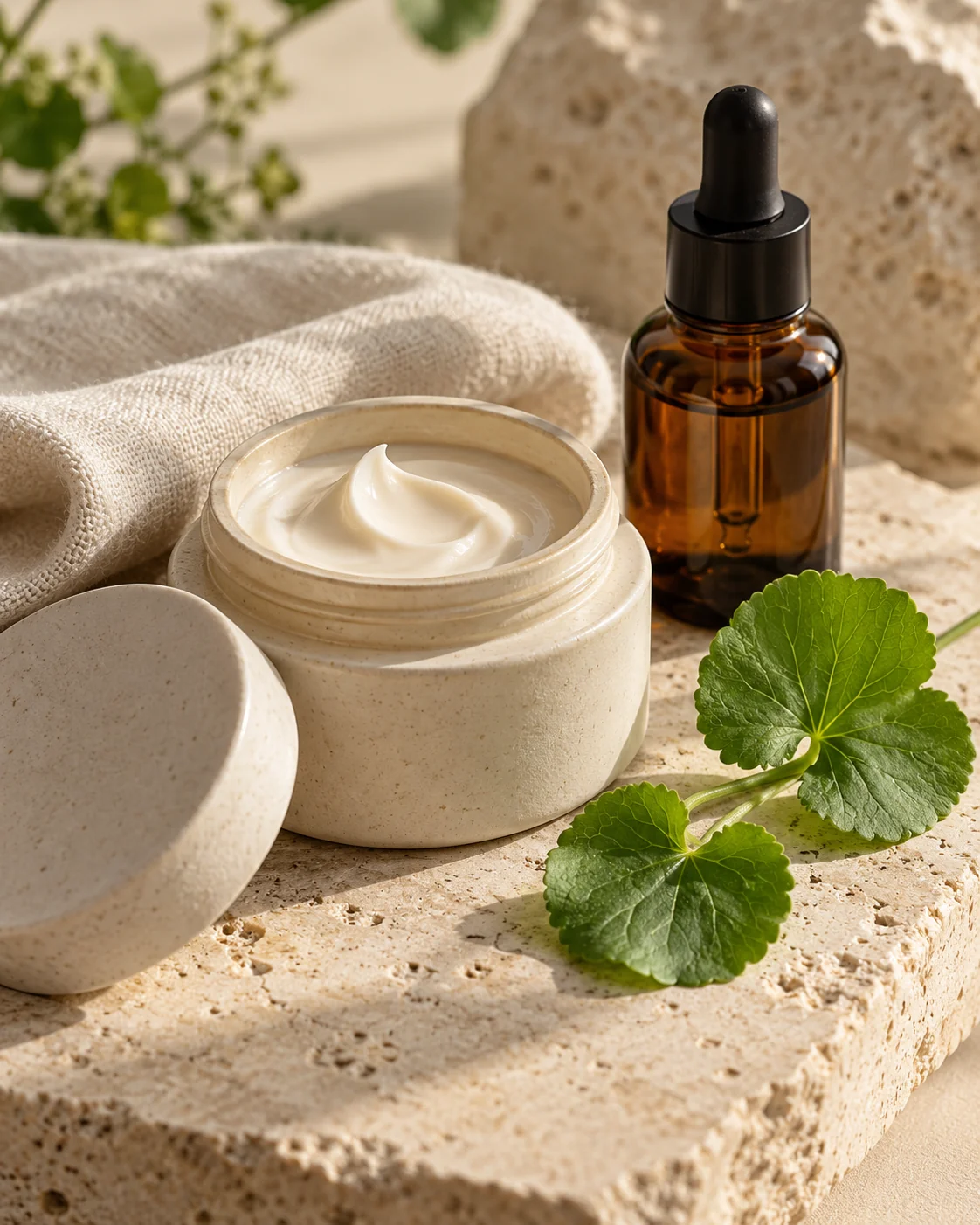
Rosewater has a way of making a very ordinary moment feel considered. A light mist, a cool cotton pad, the scent of petals: these are sensory pleasures worth keeping, even when a product does not need to promise tighter pores or transformed skin.
Choose the gentler version
A rosewater recipe by herbalist Rosemary Gladstar inspired this ritual. For a facial product, the formulation and preservation matter as much as the rose; a homemade infusion's shelf life cannot be assumed. Fresh plant material and added water can introduce microbes, and a product can be contaminated without looking spoiled.
For a repeatable facial ritual, choose a properly formulated rosewater or hydrosol from a reputable maker, with clear ingredients, storage instructions, and a use-by date. A botanical name or the word natural is not a substitute for safe formulation. Alcohol-containing witch hazel may also feel drying or sting sensitive skin.
Make the ritual your own
After cleansing, try a small amount on intact skin, then follow with a moisturizer if you use one. Test a new product on a small area first. If fragrance tends to aggravate your skin, a plain, fragrance-free moisturizer can provide the same moment of care without the rose.
Read the label like a skincare editor
Look first at what the product actually is. A hydrosol, a fragrance-containing facial mist, and a toner with alcohol or exfoliating ingredients may all use a rose on the label while feeling quite different on the skin. Choose according to your skin's needs and the full formula, rather than the romance of the name.
A transparent ingredient list and clear storage instructions make the decision easier. Avoid decanting into an unclean decorative bottle or adding fresh petals to make the product look prettier. That changes the formulation and can introduce contamination. The bottle can stay simple while the surrounding ritual supplies the beauty.
A two-minute evening pause
- Wash your hands and cleanse in the way your skin already tolerates.
- Use the mist sparingly, following its directions, or apply it with a clean pad without rubbing.
- Let the skin settle, then use a familiar moisturizer if desired.
- Notice how the skin feels a few minutes later and the next morning, rather than judging the product by an immediate cooling sensation.
For a touch of rose without a facial product, arrange a flower where you get ready or keep a rose-colored cloth beside the basin. A botanical mood does not have to mean another active ingredient on the skin.
Keep a little space around the ritual
A clean basin, a soft towel, and a place to put the bottle can make the experience feel considered. There is no need to use the mist several times a day or layer it with every botanical product you own. Try it in one part of the routine and decide whether it adds pleasure or comfort.
If you prefer an unscented routine, keep the rose elsewhere in the room. A flower, a botanical print, or the color of a linen cloth can offer the same visual pleasure while leaving your skin with the simple products it already knows. Beauty can be part of the setting as well as the formula.
Keep mists away from your eyes and stop if you notice burning, itching, or a rash. Rosewater is optional, not an essential step or a treatment for acne, eczema, or infection. The luxury here is the pause—and choosing a product your skin actually enjoys.
References & further reading
- FDA: Microbiological Safety and Cosmetics (2024) · Authoritative evidence and safety guidance
For education and reflection. Individual needs vary. For persistent symptoms or personal guidance, seek additional care from a qualified clinician or appropriate specialist.