Rose water has a delicate quality that a heavy perfume cannot quite imitate. A light floral mist can make an ordinary moment feel considered. A small hydrosol project uses petals, distilled water, and condensation to collect that subtle aromatic water at home.
A hydrosol is the water-based portion of a distillation. It is different from essential oil, and different again from steeping petals in water. Neither the fragrance nor a homemade distillation makes the finished liquid sterile or reliably preserved.
Set up carefully
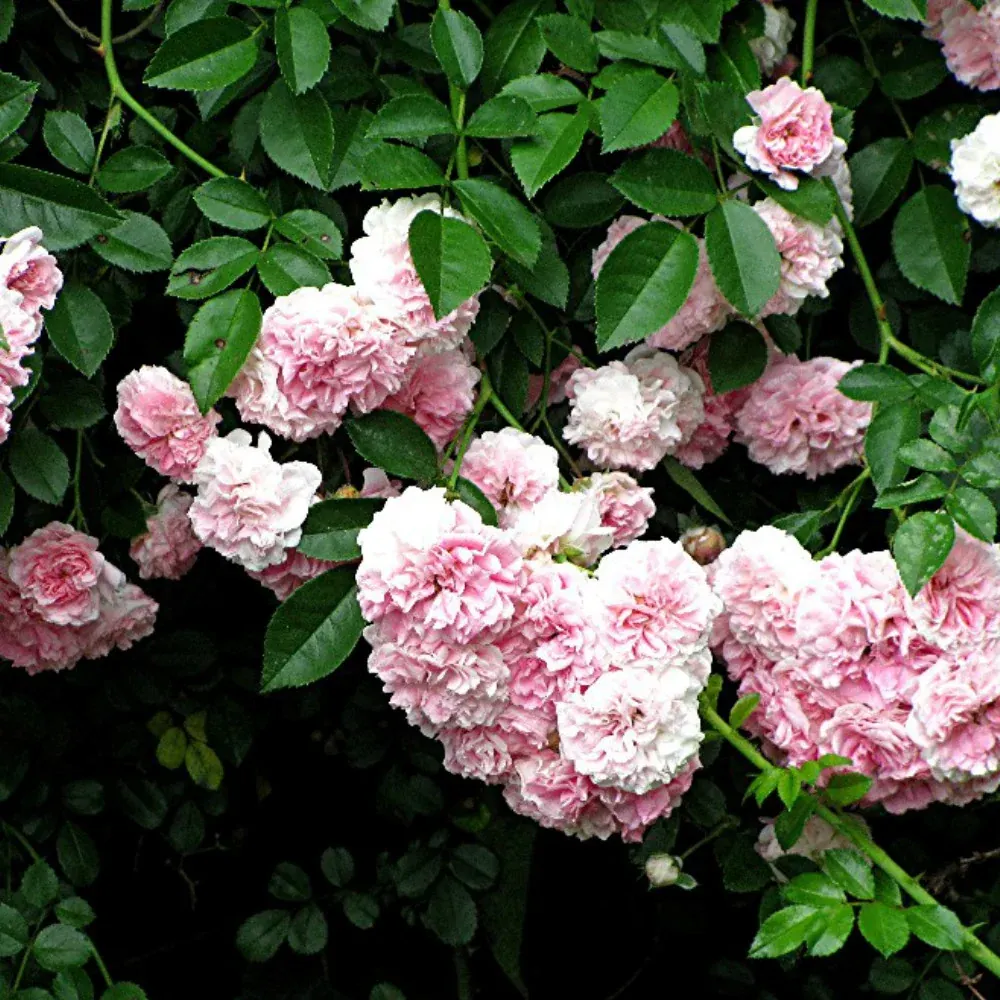
Use correctly identified, unsprayed roses suitable for food use; florist bouquets may have been treated with chemicals unsuitable for this purpose. Gather a stable pot, a lid that can sit inverted, a heat-safe support, a heat-safe collecting bowl, distilled water, and ice. All equipment should be thoroughly cleaned.
Place the collecting bowl securely on its support inside the pot. Arrange rinsed petals around it and add enough water around the bowl to cover the petals without allowing water into the collector. The arrangement must remain stable when heated.
Collect a little, then stop
Position the inverted lid so condensation can drip into the collecting bowl. A little ice on the outside of the lid helps cool it. Heat gently; never seal the pot, leave it unattended, or let it boil dry. Keep children away from hot steam and glass. Turn off the heat and allow everything to cool before handling.
Collect only a small amount for a fresh, same-day sensory experiment. Avoid the eyes, broken skin, and use on babies. Do not drink it. Discard leftovers rather than assigning an untested refrigerator shelf life.
Know what you are making
The fragrant water collected in the inner bowl is the hydrosol-style distillate. The liquid remaining around the petals is a separate, heated infusion. Keep the two distinct, and do not assume either has the composition or stability of a professionally manufactured cosmetic.
Make the setup stable before heating
Try the arrangement with the pot cold. The support and collecting bowl should sit level, with enough space around them for the petal water. Use equipment designed to tolerate heating and avoid chipped glass or ceramics. If the lid cannot sit securely while inverted, choose a different setup rather than balancing it precariously.
Keep the process visible
Use gentle heat and remain nearby. You do not need to collect a large bottle. Stop while there is still plenty of water in the bottom of the pot, and resist lifting a hot lid toward your face to inspect the scent. Steam and condensation can burn even when the liquid does not look vigorously boiling.
Separate craft pleasure from daily skin care
This project can be enjoyed simply as an exploration of fragrance. Smell a little cooled liquid from the collecting bowl, notice how delicate it is compared with the petals, and let that be the result. Choosing not to apply it to skin does not make the experiment less complete.
For repeated use, preservation is part of good cosmetic design. A home refrigerator, a dark bottle, or the word “distilled” cannot provide the testing that establishes a product's shelf life. The botanical beauty of a preparation and its microbiological reliability are separate qualities.
For an everyday mist
A commercially formulated, appropriately preserved product is more practical for repeated use. Even a clear, pleasantly scented bottle can contain microbes. Roses can also trigger fragrance sensitivity, so begin with a small skin test and stop if irritation develops. The pleasure should remain as light as the scent.
References & further reading
- FDA — Microbiological Safety and Cosmetics (2024) · government safety guidance
- FDA — Small Businesses and Homemade Cosmetics: Fact Sheet (2025) · government safety guidance
- FDA — Allergens in Cosmetics (2026) · government safety guidance
For education and reflection. Individual needs vary. For persistent symptoms or personal guidance, seek additional care from a qualified clinician or appropriate specialist.