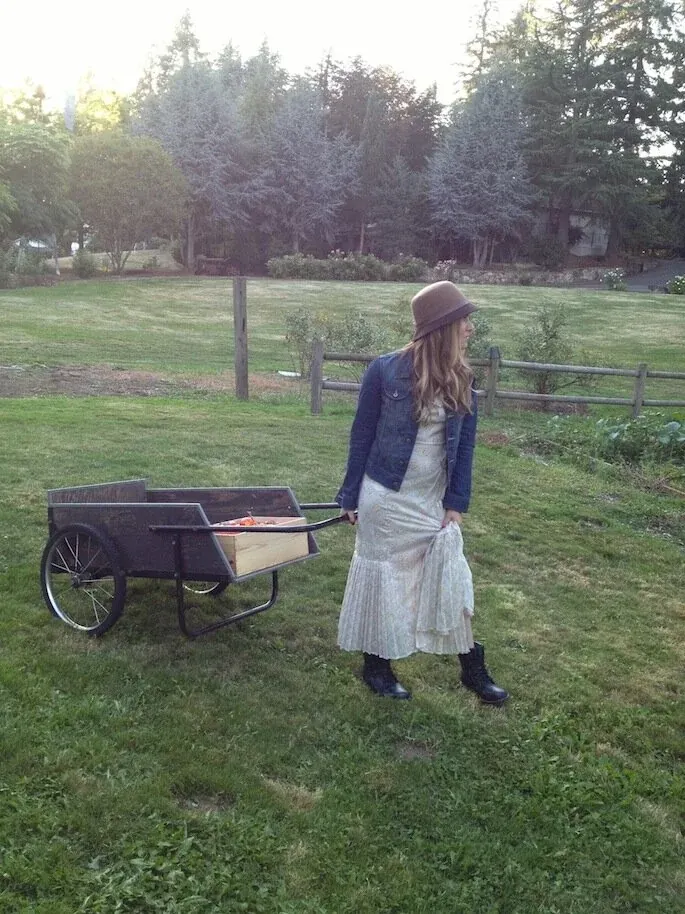
I have always been a Vitamix, juicing, dehydrating kind of gal. But after medical school, something shifted: I began getting excited about planning the meals I was actually going to cook.
In this story
Garlic chicken. Bean casseroles. Indian dishes with plenty of turmeric. As the weekly list took shape, another question followed: where is my food coming from?
If I go to the grocery store, am I getting local food? Can I trace it to a farm? That curiosity became the heart of my farm-to-table philosophy.
Begin with a relationship
A farmers’ market offers more than ingredients. It can offer a conversation: what is growing well, what is almost finished for the season, and how someone who knows the crop likes to cook it.
Ask where the food was grown, whether the seller grew it, and which practices matter to the farm. “Local,” “organic,” and “seasonal” describe different things. A local label alone cannot tell you about pesticide use, nutritional quality, or the whole environmental footprint.
There is no need to make food shopping perfect. Fresh, frozen, and canned foods can all support a practical, varied kitchen. Let your budget, access, and pleasure be part of the plan.
An old way of eating. A modern return.
People have grown, gathered, cooked, and shared seasonal food for generations. The dates below are selected milestones in the modern movement, not the beginning of that relationship.
- 1962
A wider environmental conversation
Rachel Carson publishes Silent Spring, bringing pesticide questions into public attention.1
- 1971
A restaurant rooted in place
Alice Waters opens Chez Panisse in Berkeley, California.2
- 1973
Organic growers organize
California Certified Organic Farmers begins.3
- 1986 → 1989
A movement for slower food
Slow Food begins in Italy, then becomes an international movement.4
- 2002
A national organic standard
U.S. national organic standards are fully implemented.5
A market basket with room to breathe
- Look at what you already have. Give the overlooked vegetables and open packets a place in the week.
- Choose one seasonal ingredient. Ask the grower what tastes particularly good now. Seasonality belongs to your region and weather, rather than a universal calendar.
- Build two or three meals around it. A tray of roasted vegetables can join beans one night and a grain bowl the next.
- Add a fragrant finishing touch. Fresh herbs, lemon, olive oil, or a favorite spice can change the mood of a familiar meal.
- Leave an evening unplanned. Make room for leftovers, an invitation, or the ingredient you could not resist.
A little preparation helps: keep delicate greens where you can see them, plan to use the most perishable foods first, and freeze suitable extras before they are forgotten. The point is a kitchen you enjoy returning to.
One autumn basket. Three beautiful meals.
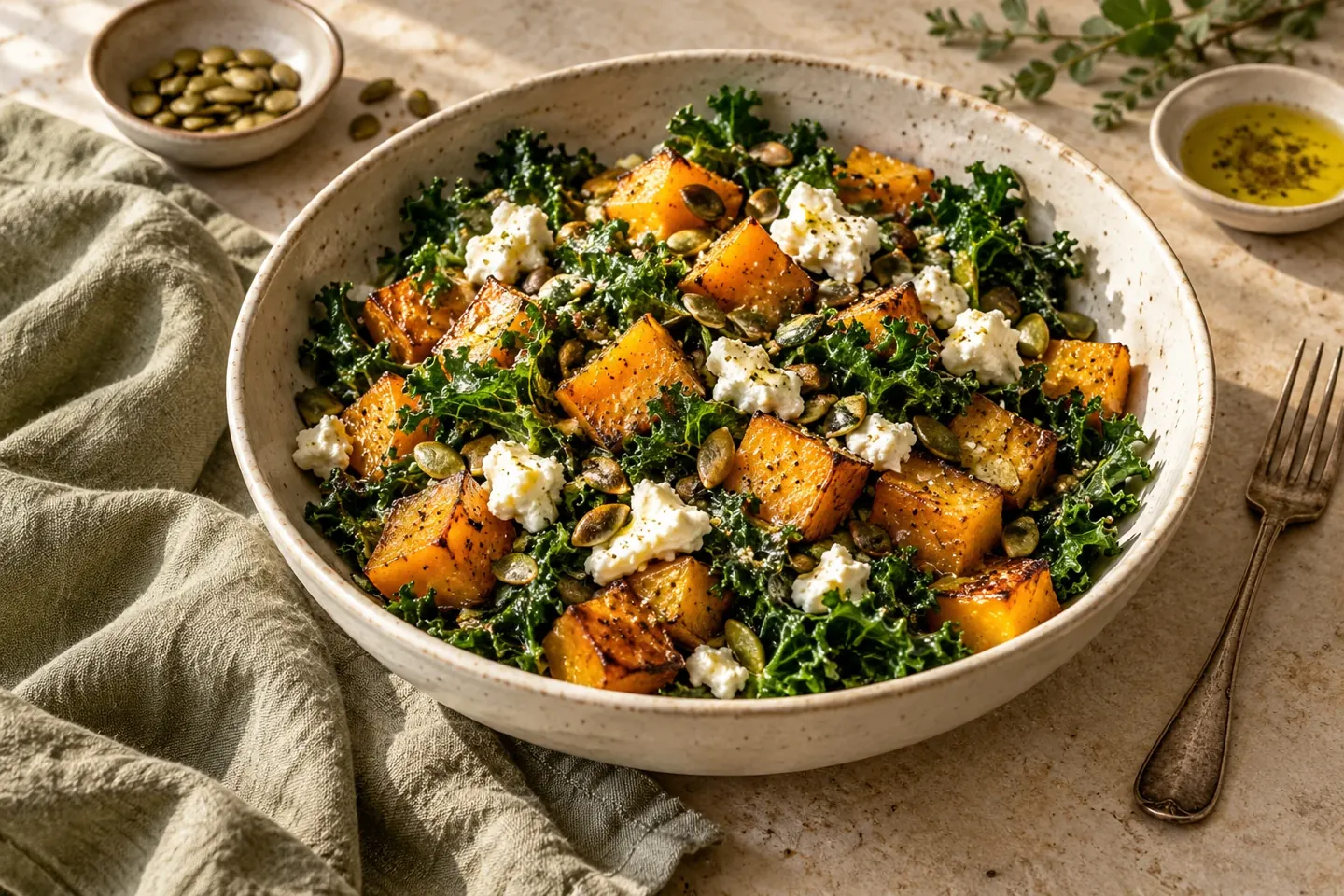
Imagine bringing home a small pumpkin, apples, a fennel bulb, a bunch of greens, and a handful of herbs. Add a few pantry staples and you have the beginning of several meals. Swap freely for what is in season where you live.
01 / Roasted pumpkin & lemony butter beans
Roast pumpkin wedges with olive oil until tender. Warm cooked butter beans with garlic and a splash of their cooking liquid. Spoon the pumpkin over the beans, finish with lemon zest and parsley, and bring the whole dish to the table. Add bread or another accompaniment that makes the meal satisfying for you.
02 / Apple, fennel & lentil salad
Slice the apple and fennel finely. Fold them through cooked lentils with olive oil, lemon, and chopped herbs. Add toasted walnuts if you tolerate them. Crisp, earthy, bright—and particularly good as a lunch you actually look forward to.
03 / A golden pot of greens
Soften an onion in olive oil, add a little turmeric, then pour in broth. Add cooked chickpeas, leftover roasted pumpkin, and your chopped greens. Simmer until the greens are tender. Finish with lemon and a little more olive oil. An ordinary evening, made warmer.
Where tradition meets the science
A Mediterranean pattern of eating gives us a useful bridge: vegetables, legumes, fruit, nuts, and olive oil woven into meals. In the republished PREDIMED trial, adults at high cardiovascular risk assigned to a Mediterranean diet supplemented with extra-virgin olive oil or nuts had fewer major cardiovascular events than the comparison group. The reanalysis addressed departures from random assignment, an important limitation to keep in view.12
That is evidence about an overall eating pattern in a particular population. It does not prove that every local ingredient is healthier. What I take from the meeting of tradition and research is an invitation to build a way of eating we can sustain—and enjoy.
The Dirty Dozen & Clean Fifteen, in context
If you want to prioritize where you spend on organic produce, EWG’s annual guide offers one way to compare residues. Below are its 2026 rankings, published March 24, 2026, based on U.S. produce-testing data. These are EWG’s categories, not USDA safety classifications or tests of a particular farm.6, 7
Dirty Dozen
- Spinach
- Kale, collard and mustard greens
- Strawberries
- Grapes
- Nectarines
- Peaches
- Cherries
- Apples
- Blackberries
- Pears
- Potatoes
- Blueberries
Clean Fifteen
- Pineapple
- Sweet corn, fresh and frozen
- Avocados
- Papaya
- Onions
- Sweet peas, frozen
- Asparagus
- Cabbage
- Cauliflower
- Watermelon
- Mangoes
- Bananas
- Carrots
- Mushrooms
- Kiwi
Use these lists as a shopping aid, not a reason to stop eating strawberries or spinach. Organic produce is not necessarily pesticide-free; its standards allow some substances and prohibit others. USDA’s 2024 monitoring report found that more than 99% of sampled foods had residues below EPA benchmark levels.8, 9
I would keep the larger goal in view: a varied plate, ingredients you can afford, and food you will enjoy eating. These U.S. rankings should not be read as measurements of produce grown in Avdou Village, Crete, or any other specific place.
A simple washing ritual
Rinse fresh produce under running water before cutting or peeling. Rub gently; use a clean brush for firm produce. Keep soap, detergent, and commercial produce washes out of the vegetable bowl. Dry with a clean towel and refrigerate perishable produce promptly. Ready-to-eat, prewashed produce does not need to be washed again. Washing helps reduce contamination but does not remove every residue.10
Let the wild table begin with learning
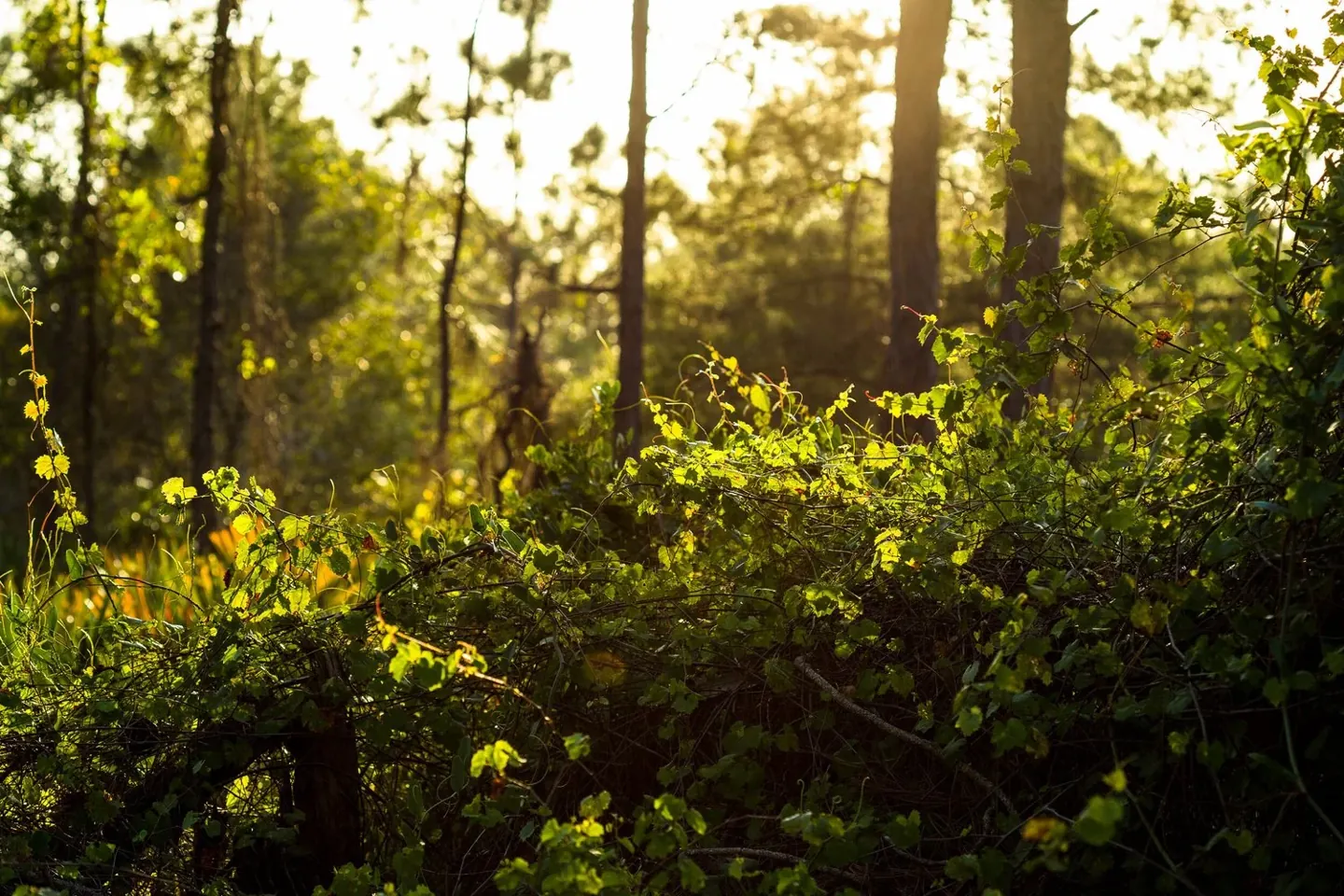
Foraging can deepen your relationship with a place. Learn with a knowledgeable local botanist or experienced instructor, and identify the exact species, edible part, and preparation before tasting anything. A photograph, app, or AI answer alone is not enough to establish that a wild plant is edible.
Check permission and local gathering rules, avoid protected species and contaminated or sprayed areas, and leave enough for wildlife and the plant’s future. Unknown roots and mushrooms are not experiments for the dinner table.11
Begin with my guide to forest foraging, then explore the wildflower journal as inspiration for learning, not a substitute for local identification.
Keep following the season
Read Sunday at the farmers’ market for more seasonal shopping inspiration. For a more personal view, visit my original Greek farm-to-table diary and the story of purslane in Crete.
Village life on the “island of herbs” gives this conversation another texture: a place, a season, a meal, the people who share it. Those diaries remain in my original words.
Conscious eating can begin with one question and one delicious meal. Let curiosity bring you to the table.
References & further reading
- National Park Service — Rachel Carson · Historical reference
- The Edible Schoolyard Project — Frequently asked questions · First-party historical record
- California Certified Organic Farmers — Our history · First-party historical record
- Slow Food — Our history · First-party historical record
- USDA Economic Research Service — U.S. Organic Farming in 2000–2001 · Context for implementation of national organic standards
- EWG — 2026 Dirty Dozen (2026) · EWG pesticide-residue ranking, not an individual food-safety assessment
- EWG — 2026 Clean Fifteen (2026) · EWG pesticide-residue ranking
- USDA — 2024 Pesticide Data Program Annual Summary release (2026) · Federal residue-monitoring context; released January 2026
- USDA — The National List of Allowed and Prohibited Substances · Organic production standards
- FDA — Selecting and serving produce safely · Food handling guidance
- USDA Forest Service — Special forest products: harvest guidelines · Identification, sustainable harvest, and preparation guidance
- Estruch et al. — Primary prevention of cardiovascular disease with a Mediterranean diet supplemented with extra-virgin olive oil or nuts (2018) · Republished randomized trial with reanalysis addressing allocation irregularities
For education and reflection. Individual needs vary. For persistent symptoms or personal guidance, seek additional care from a qualified clinician or appropriate specialist.