A nourishing kitchen can be built from ordinary, affordable ingredients. A bag of lentils, canned tomatoes, frozen spinach, oats, and a bottle of olive oil can become meals with texture and character. The budget-friendly shelf deserves the same affection as the farmers-market basket.
Start with foods that do several jobs
Cook a pot of beans or open a can, rinse if desired, and use them in soup, salads, and a warm bowl with grains. Buy oats, rice, or other grains in quantities you can store and finish. Bulk is only a bargain when the unit price is lower and the food gets used.
Frozen vegetables are especially useful when fresh produce is expensive or likely to wilt before you reach it. Canned foods are practical staples, not evidence that you have compromised your health. Compare salt, added sugar, and ingredients when those details matter to your needs.
Put produce before perfection
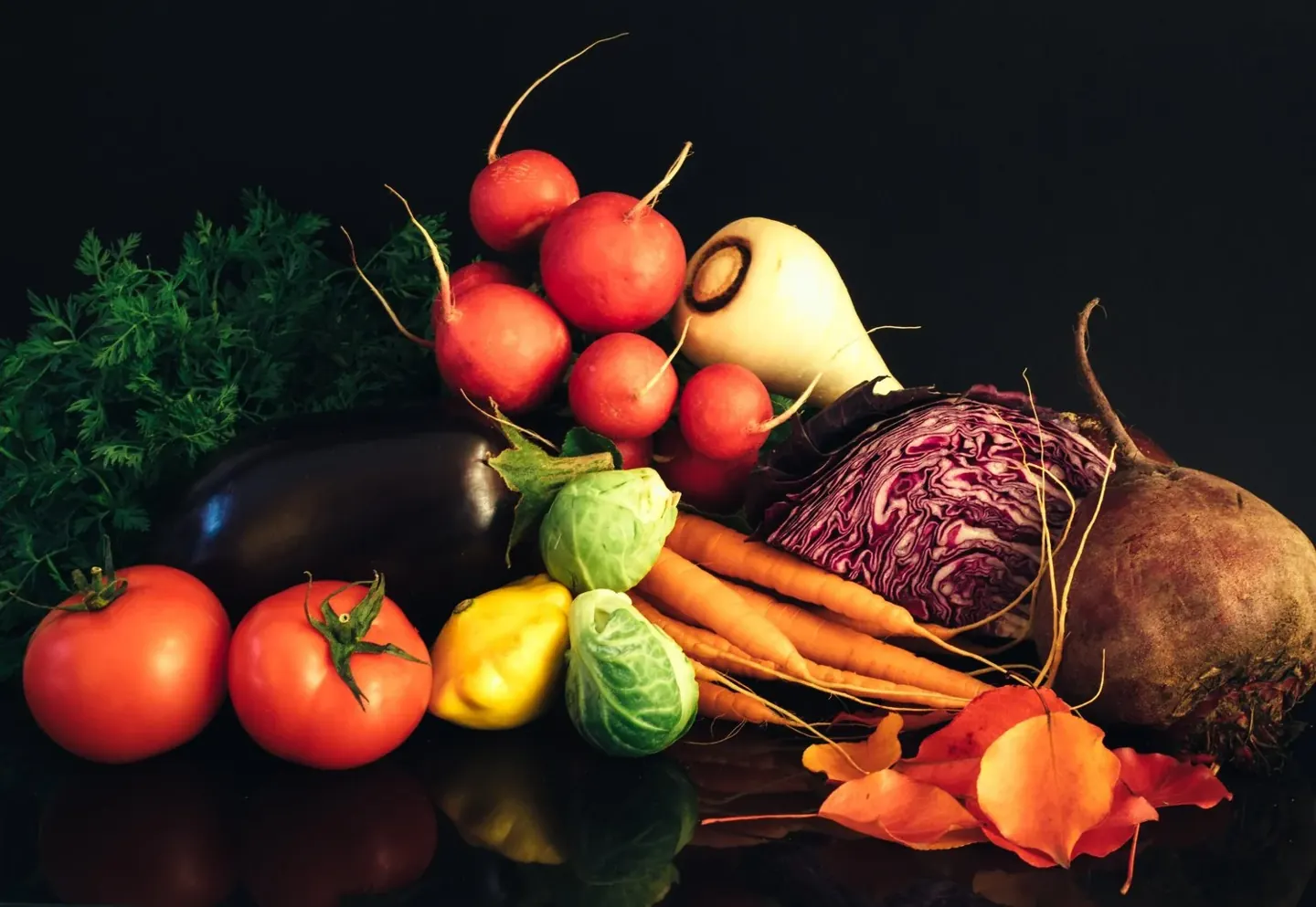
Choose fruit and vegetables you enjoy, whether organic or conventional. In the USDA's 2024 monitoring program, released in January 2026, more than 99 percent of tested samples had residues below EPA benchmark levels. That does not mean every food is residue-free; it does show why a detected residue is not automatically a meaningful health risk.
“Dirty Dozen” and “Clean Fifteen” rankings are not a necessary rule for deciding which produce is safe to buy. If organic choices fit your priorities and budget, enjoy them. If they make you buy less fruit and fewer vegetables, loosen the rule.
Build three meals from a small basket
Start with lentils or beans, a grain you like, one sturdy vegetable, one leafy vegetable, and fruit. Add flavor from the pantry: oil, vinegar or lemon, herbs, and a spice you use often. This gives you more options than buying unrelated ingredients for several complicated recipes.
A warm bowl
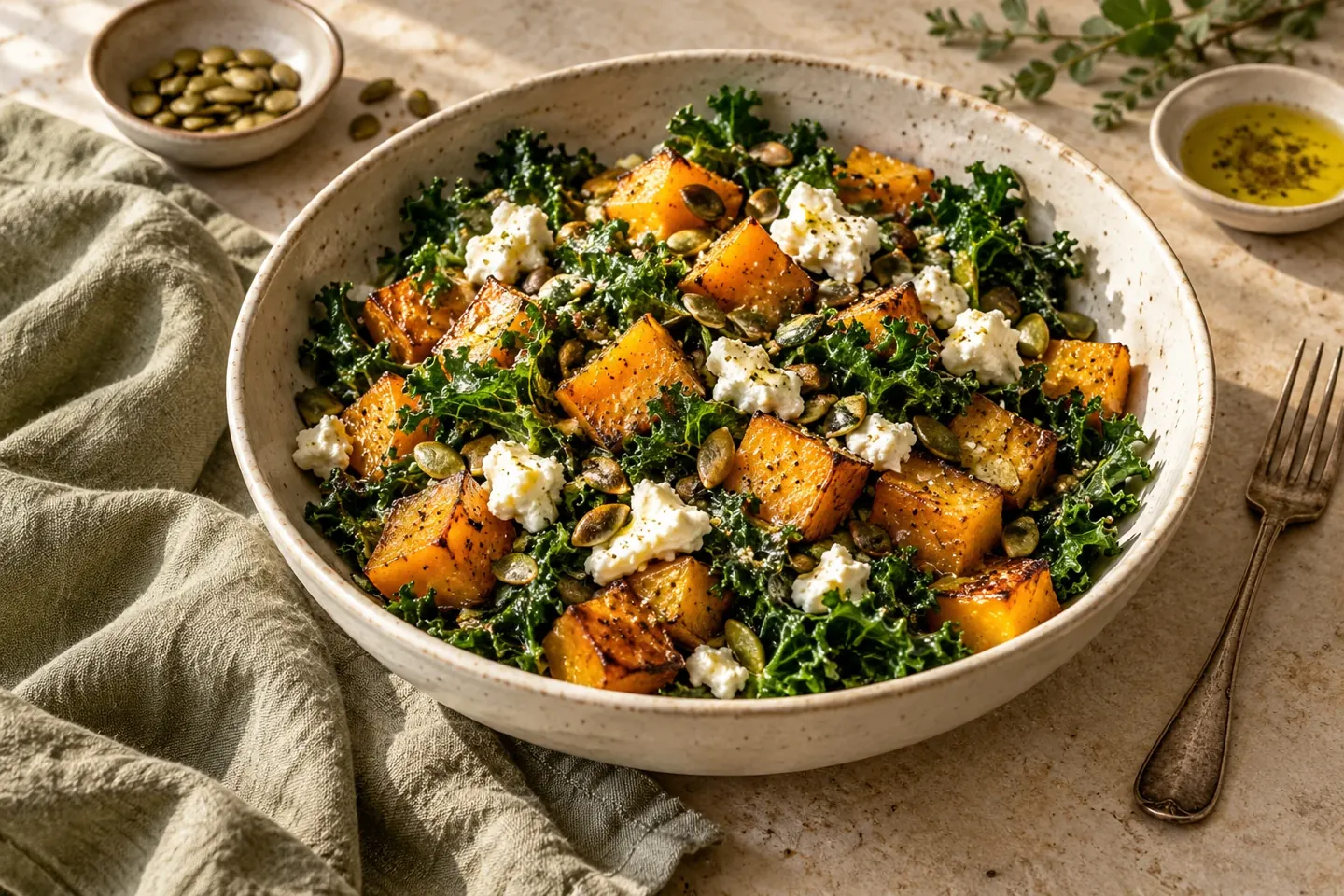
Combine the cooked grain and beans with roasted vegetables. Dress with oil and something acidic, then add herbs or a small amount of cheese if you enjoy it. Adjust the portion and protein to make it a meal that satisfies you.
A soup for another day
Use some of the same ingredients with broth or water and canned tomatoes. Add greens toward the end. Soup is a useful place for vegetables that are still sound but no longer at their crispest; discard anything spoiled rather than trying to cook around it.
A lunch that needs little assembly
Keep a portion of cooked beans or lentils cold for a salad, or use them in a sandwich filling. Add chopped vegetables and dressing when ready to eat. Store cooked components safely and freeze portions you will not use within a few days.
Compare prices by usable quantity. A large bag can be economical, but a smaller one may be the better buy if storage, cooking time, or waste would otherwise become a problem. The same is true of market bargains: choose what fits the meals you will actually make.
A budget becomes easier to work with when the plan includes convenience. Keep one low-effort meal available for the evening when cooking feels like too much.
Shop the week you actually have
Plan two or three meals, check the fridge before shopping, and leave a flexible night for leftovers. Ask about seasonal deals at the market without assuming the final hour always brings a discount. Carry a reusable bottle if safe drinking water is available.
Wash produce under running water; soap and special produce detergents are unnecessary. Keep a few easy meals in reserve for busy days. A useful pantry is one that feeds you reliably, not one that earns a particular label.
References & further reading
- USDA — 2024 Pesticide Data Program Annual Summary release (2026) · government food-monitoring results
- FDA — Selecting and Serving Produce Safely (2024) · government food-safety guidance
For education and reflection. Individual needs vary. For persistent symptoms or personal guidance, seek additional care from a qualified clinician or appropriate specialist.