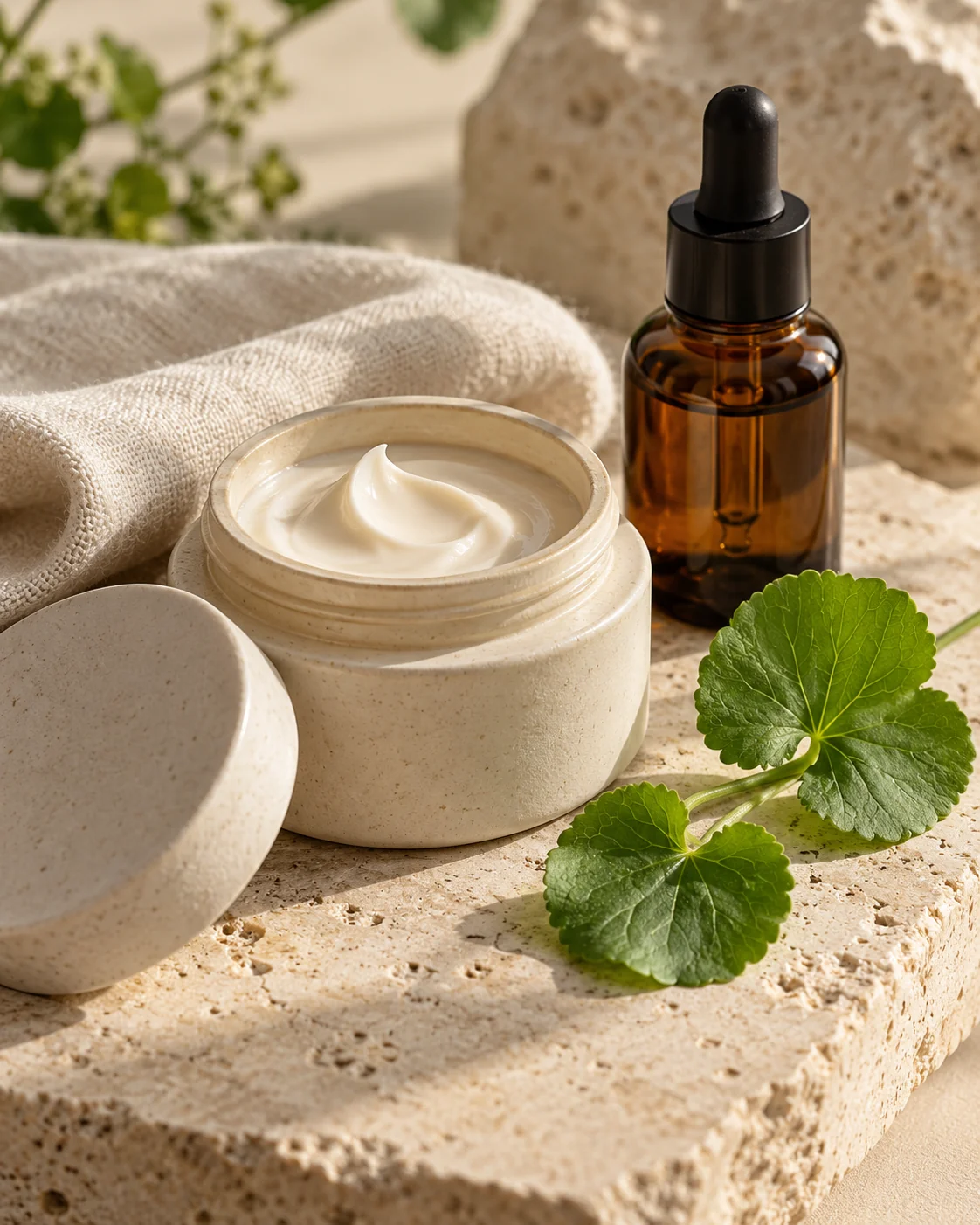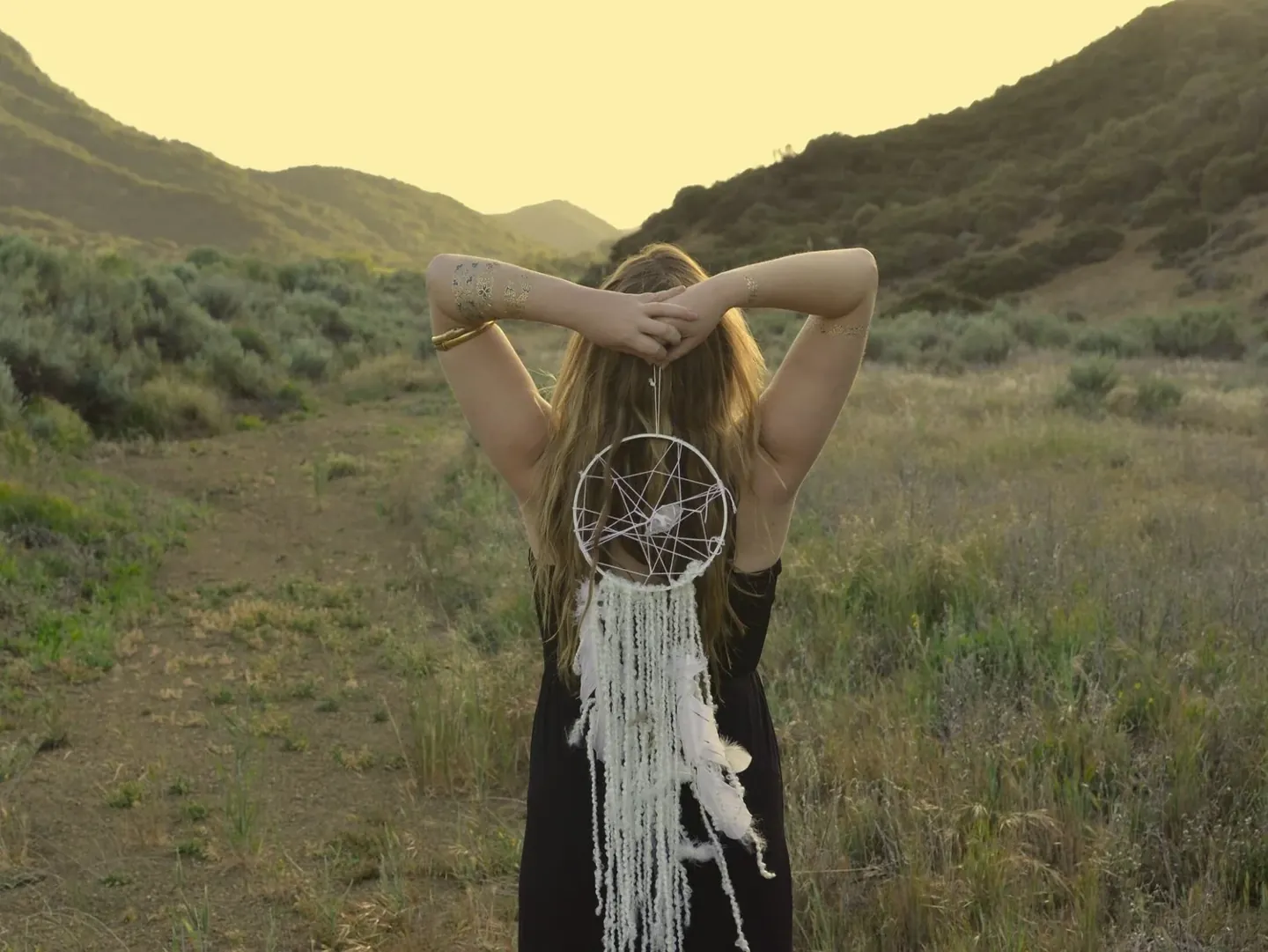
The inspiration is beautifully simple: olive trees, chamomile, aloe, and the relaxed texture of hair after a day near the sea. Botanical haircare can borrow that ease without promising thicker growth or a cure for dandruff.
A chamomile rinse
Brew a small pot of plain chamomile tea, strain carefully, and let it cool completely. After washing, try a little through the lengths of your hair and rinse if it feels sticky. Make it fresh and discard what remains. This is a sensory rinse; reliable evidence that it brightens blonde hair or treats scalp disease is limited. Skip it if chamomile or related daisy-family plants cause you allergies.
For dry ends, experiment with a very small amount of a hair oil you already tolerate. More is not necessarily silkier. Kitchen olive oil and avocado masks can be difficult to wash out, and homemade mixtures do not have the preservation of a formulated conditioner.
Let your texture lead
Fine hair may need only a trace of product on the ends; curls may prefer a richer conditioner distributed through damp lengths. Start with less than you think you need and notice how the hair feels once dry. A botanical routine should make styling easier, not leave you washing repeatedly to remove a heavy mask.
If you are trying a chamomile rinse, keep the rest of the routine familiar that day. This makes it easier to tell whether you like the result. A change in shine is cosmetic; a scalp that feels itchy or tight is a reason to stop, however lovely the scent.
After a swim
Rinse with fresh water, squeeze the lengths gently, and work a conditioner you tolerate through any tangles. Let the texture be relaxed rather than forcing wet hair into a tight style. For the braid below, use fingers or a wide-tooth comb to separate the sections, adjusting the method to your hair's texture.
You do not need a perfectly uniform plait. A softer section around the face and a comfortable elastic can keep the finished style feeling easy. Practice the waterfall movement on one small section before committing to the full braid.
The loose waterfall braid
- Gently detangle clean hair and make a comfortable part.
- Take a small section near the forehead and divide it into three strands.
- Braid toward the back, adding small sections as you would in a French braid.
- Release the lower strand and replace it with a new section beside it to create the waterfall effect.
- Continue toward the back and secure the tail without pulling the scalp tight.
A braid should feel almost weightless. Loosen it if it hurts; repeated tension can contribute to hair loss. Persistent itching, scaling, or new thinning deserves more than another DIY rinse.
References & further reading
- NCCIH: Chamomile (n.d.) · NIH evidence and safety summary; accessed October 2026
- American Academy of Dermatology: Hairstyles That Pull Can Lead to Hair Loss (n.d.) · Professional society safety guidance; accessed October 2026
For education and reflection. Individual needs vary. For persistent symptoms or personal guidance, seek additional care from a qualified clinician or appropriate specialist.