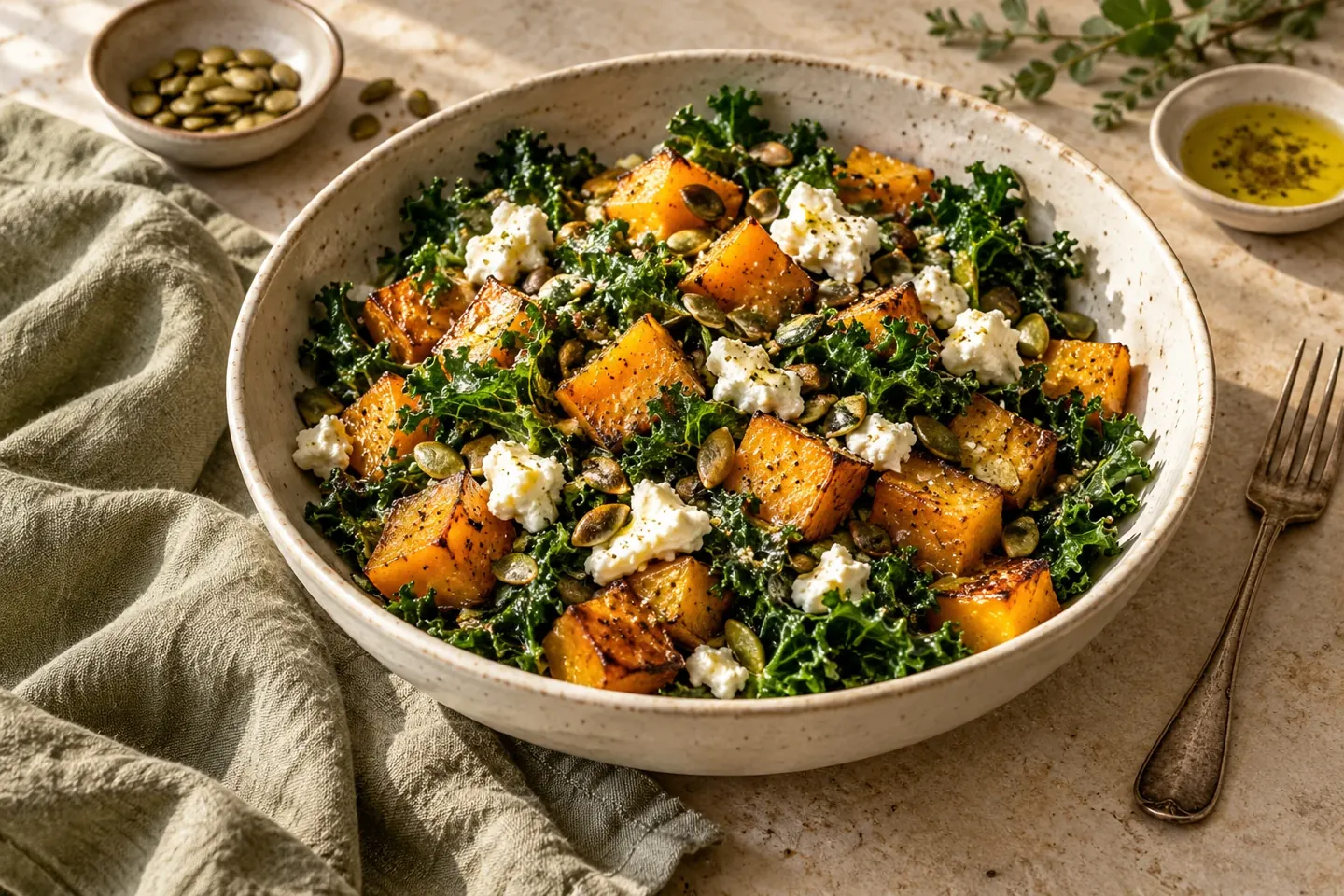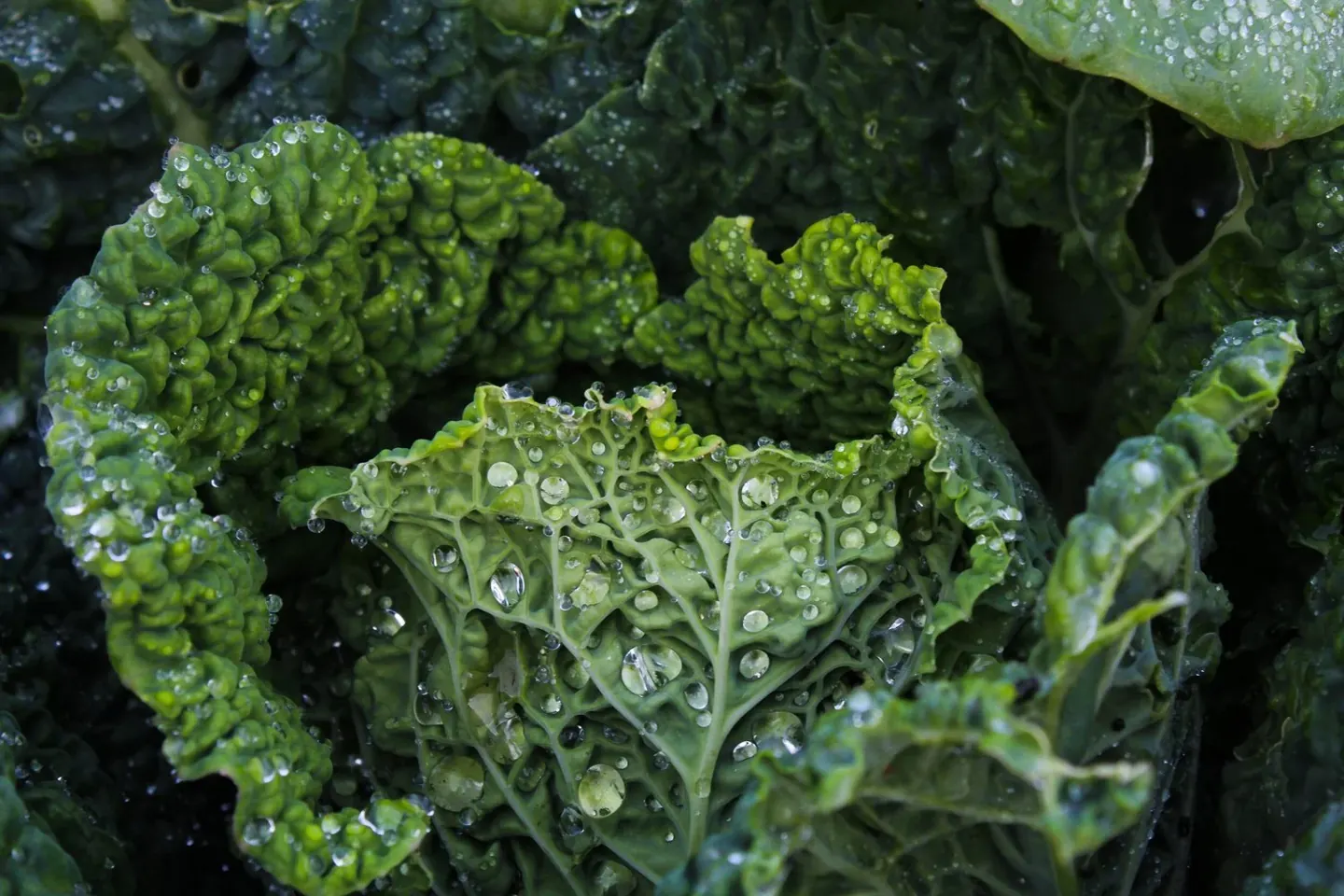
Kale is at its best when it tastes like something you want to eat again. A handful in a smoothie, ribbons folded through warm beans, or leaves turned crisp in the oven all make this sturdy green easier to enjoy.
It contributes fiber, carotenoids, vitamin C, and vitamin K. Those are useful qualities within a varied diet, without turning kale into a detox program. Cooking changes texture and some nutrients; raw and cooked vegetables can both belong on the table.
Kale chips, step by step
- 1 bunch kale
- 1 tablespoon olive oil
- Up to 1 teaspoon sea salt, adjusted to taste
- Heat the oven to 350°F. Line a baking tray with parchment suitable for that temperature.
- Wash the leaves, remove the thick stems, and tear the leaves into generous pieces. Dry them thoroughly.
- Massage lightly with the oil and use only enough salt to season. Spread in a single layer, using two trays if necessary.
- Bake for about 10 to 15 minutes, checking early and removing pieces as they crisp. The edges should be dry and crisp rather than scorched.
The small details that make a better chip
Dry leaves are the most useful starting point. Water clinging to the kale makes it harder to get the texture you want, so take a moment with a salad spinner or a clean towel. Keep the pieces large enough to pick up comfortably; they shrink as they cook.
Use your hands to distribute the oil rather than pouring it into one spot. Each leaf needs a light coating, not a puddle. Spread the pieces loosely and check the oven early. A tray that is crowded or unevenly coated will give you a mixture of crisp edges and softer centers.
Change the seasoning, keep the method
Try a little black pepper, smoked paprika, or lemon zest added after baking. Season lightly at first, because the leaves become smaller as they crisp. Serve in a wide bowl so steam does not collect underneath them.
For the days you do not want chips
Slice kale finely and cook it into a pot of beans, or add it near the end of a soup's cooking time. For a raw salad, remove tough stems and cut the leaves into manageable ribbons. The best preparation is the one that suits the meal—and makes this green feel like food you want, not a task you have to complete.
Eat soon after baking for the best texture. Save the stems for another cooked dish if you like their flavor. If you take warfarin, consistency in vitamin K intake matters more than avoiding greens altogether; discuss substantial dietary changes with your care team. A familiar vegetable can stay part of a pleasurable meal without becoming a nutritional contest.
Put it into practice
Naturopathic foundations
How can I eat more leafy greens without making meals complicated?
Fold greens into food you already cook: soup, eggs, beans, or a grain bowl. Change the preparation when raw leaves do not agree with you. Keep a range of vegetables in the week, and let taste help the habit last.
Functional tests to consider
Eating well begins on the plate. If you are also investigating metabolic risk, these tests can help put the longer-term pattern in context.
HbA1c & fasting glucose
These help evaluate blood-sugar patterns when metabolic risk, increased thirst, frequent urination, or other clinical clues warrant testing. A1c gives a longer view; a fasting glucose is a point-in-time measurement. Anemia and other conditions can affect A1c.
Lipid panel, with ApoB when useful
For a cardiovascular or longevity review, begin with the lipid pattern and the whole risk picture. ApoB can add information in selected situations, particularly when triglycerides or metabolic risk complicate the picture. It is not a test of whether one food is working.
A mind–body practice
The first three bites
Put the screen away and place both feet on the floor. Before eating, notice the color and scent of the food. Take the first three bites slowly enough to notice their texture, then check in with hunger and comfort.
A little more clarity
Can a single food replace a whole-food eating pattern?
No single ingredient has to carry the whole meal. Look for enough food, a source of protein, varied plants, and a pattern that fits your life. Laboratory results describe specific health questions, not the virtue of an individual food.
For education and reflection. Individual needs vary. For persistent symptoms or personal guidance, seek additional care from a qualified clinician or appropriate specialist.
References
- NCCIH: Detoxes and Cleanses · Authoritative evidence and safety guidance