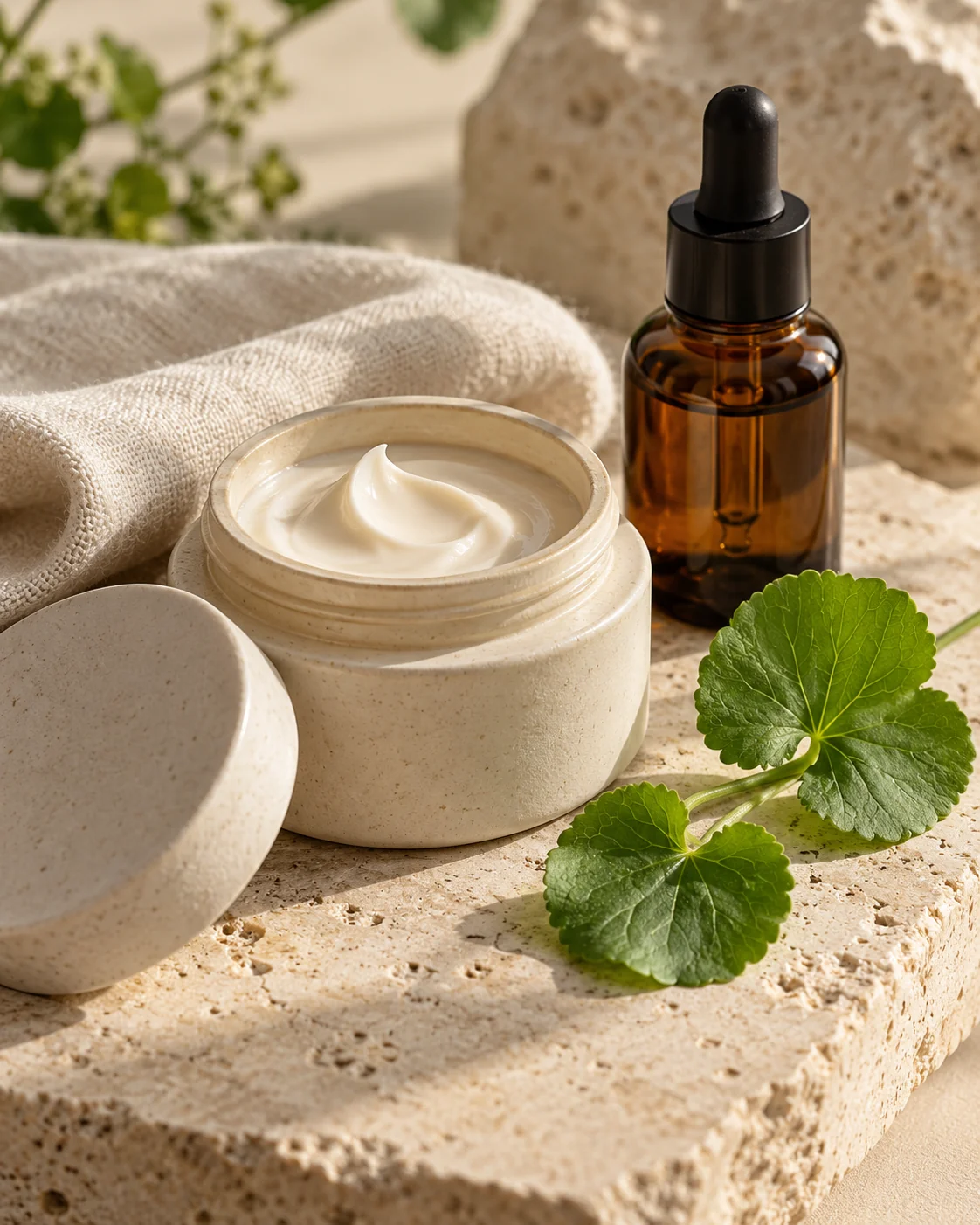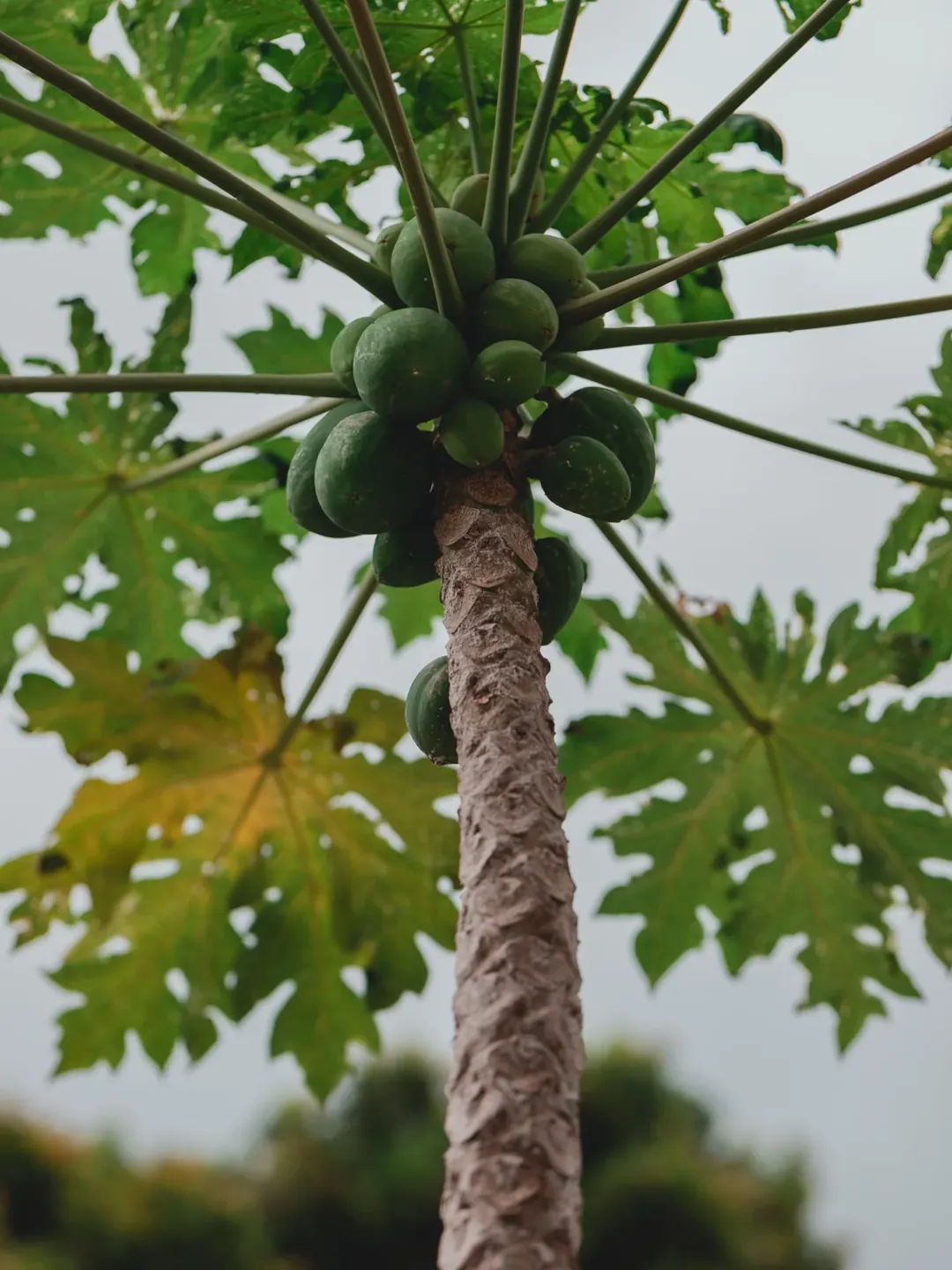
Ripe papaya, amber honey, a quiet few minutes: the combination has an appealing simplicity. Papaya contains papain, a protein-digesting enzyme used in some cosmetic formulations. The amount and activity in a piece of fruit vary, however, so a kitchen mask is not a measured enzyme peel.
Leave the lemon for lunch
Fresh lemon juice can irritate facial skin; citrus exposure can also cause light-related reactions. It is not a dependable way to build collagen or fade pigmentation. Keep it out of a facial mask.
If you have sensitive skin, eczema, rosacea, a damaged skin barrier, or a papaya or latex-associated food allergy, skip a raw-fruit mask. For everyone else, the simplest option is still a well-formulated moisturizer you already know suits you.
Give the skin a quieter afternoon
The atmosphere of a facial can be as appealing as the mask itself. Tie your hair back, set out a clean cloth, and choose a place where you can rinse comfortably. Keep the papaya intended for eating separate from anything that has touched the skin or utensils used for the mask. A small amount is easier to prepare, apply, and discard than a whole bowl.
A simpler option for sensitive days
If your skin feels tight, recently exfoliated, or unusually reactive, skip the fruit experiment. Cleanse gently and use a familiar moisturizer instead. You can keep the tropical note in a plate of sliced papaya alongside the ritual. Enjoying an ingredient as food is not a lesser version of using it in beauty.
There is also a useful distinction between a raw-fruit preparation and a cosmetic product containing papain. A finished product may have a specified concentration, supporting ingredients, and directions based on its formulation. Neither the enzyme’s name nor the word “natural” tells you how gentle the final result will be. Read the instructions and introduce a new product separately from other exfoliating treatments.
Whatever you choose, judge the experience afterward: comfortable skin is a better outcome than a dramatic tingle. If a mask feels like something you need to recover from, it has not earned its place in the routine.
If you choose to try it
Use a small amount of freshly mashed, peeled, deseeded ripe papaya with a little honey. Make only what you need. Try a small patch of skin first; stop and rinse immediately if it tingles unpleasantly, burns, or itches. Keep it away from eyes and broken skin, rinse gently, and discard the mixture after use. Do not leave it on for a prolonged treatment or combine it with other exfoliants.
Honey adds texture and may feel moisturizing, but kitchen honey is not sterile wound care or an established acne treatment. Enjoy the sensory ritual with modest expectations—or serve the papaya as dessert and give your skin the evening off.
References & further reading
- Microbiological Safety and Cosmetics — FDA · regulatory safety guidance
- Aromatherapy — FDA · regulatory safety guidance
- Questions and Answers about FDA’s Enforcement Action Regarding Unapproved Topical Drug Products Containing Papain (2015) · regulatory safety guidance
- Lime-induced phytophotodermatitis (2014) · human case report and clinical discussion
For education and reflection. Individual needs vary. For persistent symptoms or personal guidance, seek additional care from a qualified clinician or appropriate specialist.