White tea is an invitation to pay attention: a pale liquor, a soft fragrance, and a flavor that can disappear beneath too much sweetener. Like green and black tea, it comes from Camellia sinensis. Young leaves and buds are used in many white teas, with processing that differs from other styles.
Beyond the antioxidant ranking
It is tempting to make a league table of teas and crown the least processed one. The chemistry does not cooperate so neatly. Cultivar, growing conditions, leaf maturity, storage, and brewing all influence the compounds in a cup. Comparisons of white-tea samples show substantial variation. White tea is not consistently “higher in antioxidants than every other tea.”
Tea contains polyphenols, including catechins, but antioxidant activity measured in a laboratory is not a direct measure of how many years a drink adds to your life. Human health research on tea often examines green or black tea, and cannot automatically be transferred to every white-tea blend. Choose a variety you enjoy enough to drink without a health contest attached.
Taste it like an ingredient
Try the first infusion plain. Notice whether the tea feels floral, grassy, sweet, or slightly astringent, then decide what would complement it. A delicate tea can disappear under a strong flavor; a small piece of fruit or a lighter sweetener hand may give it more room.
Change one brewing detail
If the cup is too faint, steep the next one a little longer. If it is harsh, shorten the infusion or try slightly cooler water. Keep the leaf amount steady while you experiment so you can tell what made the difference. Your preferred cup does not have to match someone else's exact temperature.
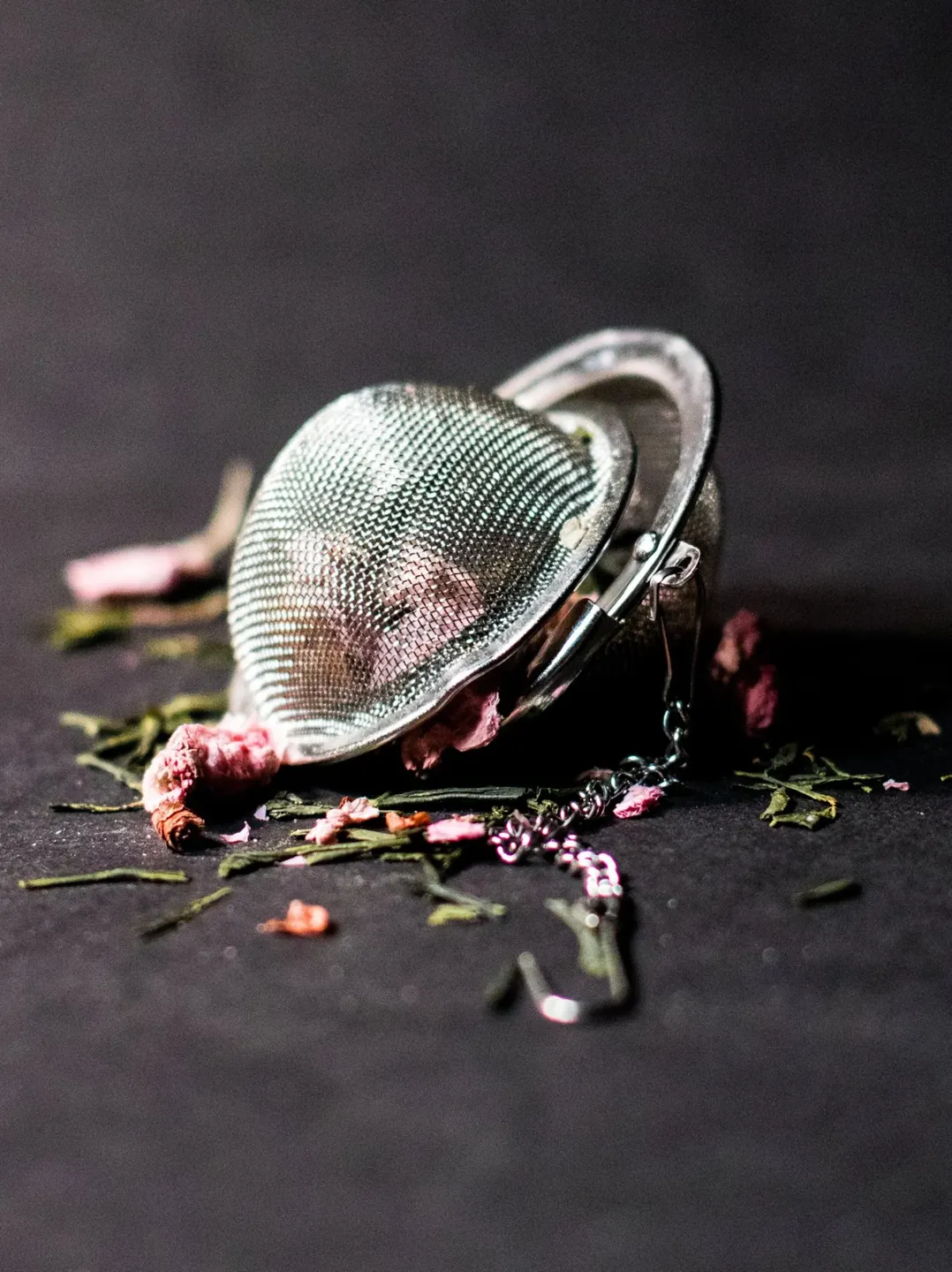
Use a pot or mug you enjoy holding and pour only what you will drink while it tastes good. The sensory details are the point: a few fragrant leaves, clear water, a quiet minute while they steep. My favorite addition is peach, which gives the cup a gentle fruit note without needing to turn it into dessert.
The peach-and-white-tea ritual
White tea and peach make a lovely pairing: soft fruit, floral fragrance, a little natural sweetness. Begin with the tea maker's instructions. For delicate leaves, 150–170°F water and a one-to-two-minute infusion can produce a light cup; other white teas benefit from hotter water or more time. Taste, then adjust the next infusion.
Add a slice of ripe peach for fragrance, or enjoy a peach-scented blend. Let very hot tea cool before sipping. White tea contains caffeine, and its content is not reliably predicted by its pale color. If sleep is sensitive, make it a morning or early-afternoon pleasure. A cup, a quiet place, and a few unhurried minutes are already a worthwhile combination.
Put it into practice
Naturopathic foundations
How can I enjoy white tea without disrupting sleep?
Treat white tea as a pleasurable part of the day and notice your own response to caffeine. Keep it earlier if your sleep is sensitive. Let the cup accompany a nourishing meal or a pause, rather than stand in for food or recovery.
Functional tests to consider
Eating well begins on the plate. If you are also investigating metabolic risk, these tests can help put the longer-term pattern in context.
HbA1c & fasting glucose
These help evaluate blood-sugar patterns when metabolic risk, increased thirst, frequent urination, or other clinical clues warrant testing. A1c gives a longer view; a fasting glucose is a point-in-time measurement. Anemia and other conditions can affect A1c.
Lipid panel, with ApoB when useful
For a cardiovascular or longevity review, begin with the lipid pattern and the whole risk picture. ApoB can add information in selected situations, particularly when triglycerides or metabolic risk complicate the picture. It is not a test of whether one food is working.
A mind–body practice
A cup without a second task
While a familiar, well-tolerated tea or warm drink cools, let your hands rest around the cup. Notice its warmth, then three sounds in the room. Take one sip before returning to the day. There is nothing else to accomplish.
A little more clarity
Can a single food replace a whole-food eating pattern?
No single ingredient has to carry the whole meal. Look for enough food, a source of protein, varied plants, and a pattern that fits your life. Laboratory results describe specific health questions, not the virtue of an individual food.
For education and reflection. Individual needs vary. For persistent symptoms or personal guidance, seek additional care from a qualified clinician or appropriate specialist.
References
- Comparison of the main compounds in Fuding white tea infusions (2018) · Primary food-composition study
- NCCIH: Tea · Public health evidence summary