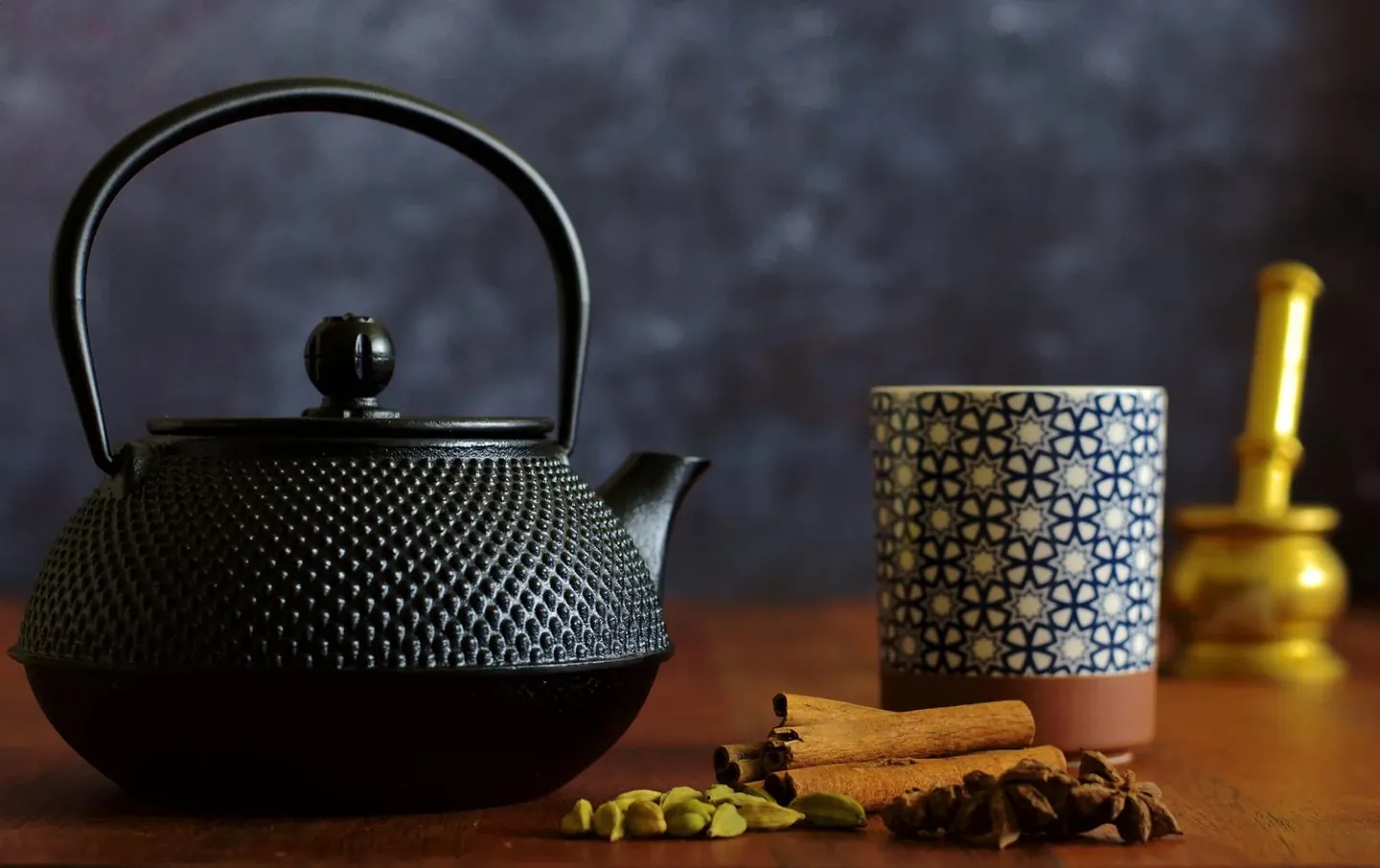
Chai is one of those drinks that makes waiting part of the pleasure. Crush the cardamom, slice the ginger, and let the kitchen become fragrant while the water warms. The recipe is small enough for one cup and flexible enough to become your own.
For one generous cup
- 2 green cardamom pods, lightly crushed
- ¼ teaspoon fennel seeds
- 1 small cinnamon-stick piece
- 2–3 thin slices fresh ginger
- ¾ cup water
- ¼ cup almond milk or another milk you enjoy
- 2 teaspoons Assam black tea
Bring the water, milk, ginger, and spices gently toward a simmer. Keep the heat low and watch the pan so the milk does not boil over. Add the tea, steep for about two minutes, then strain into a cup. Adjust strength, milk, and sweetness to taste.
Build the cup in layers
Lightly crush the cardamom pods just before using them so the seeds can meet the liquid. Slice the ginger thinly for an even infusion, and use a small cinnamon piece that will be easy to remove. Keep the spices visible rather than grinding everything into a fine powder that may be harder to strain.
The tea goes in near the end because a long, vigorous boil can make the cup stronger and more astringent than you intended. If you like more spice but less tea bitterness, give the spices a little time in the water before adding the tea. Taste and make a note of what you want to change next time.
Make an afternoon of it
Warm the mug with a little hot water, then empty it before pouring. Set out something small to eat if you are hungry, and sit down while the drink is still pleasantly warm. For two people, double the ingredients in a slightly larger pan and keep an eye on the milk.
The recipe is a starting point. A favorite cup develops through attention to flavor, not a rule that every warming spice must deliver a medicinal effect.
Follow the flavor
A little vanilla softens the edges; orange peel or a clove adds another layer. More ginger brings a peppery warmth. These additions are culinary choices, not measured treatments for poor circulation or digestive disease.
For an evening cup, use decaffeinated tea or a caffeine-free base you already tolerate. Black tea contains caffeine, and sensitivity varies. If you have a nut allergy, choose a suitable milk alternative.
Keep culinary chai separate from medicinal multi-herb blends. Ingredients such as fo-ti and ginkgo introduce different interaction and safety questions; they are unnecessary for this fragrant kitchen recipe. Keep this version simple and let the ritual do what it does best: offer a warm, fragrant pause.
Put it into practice
Naturopathic foundations
How can I make a chai ritual fit my evening?
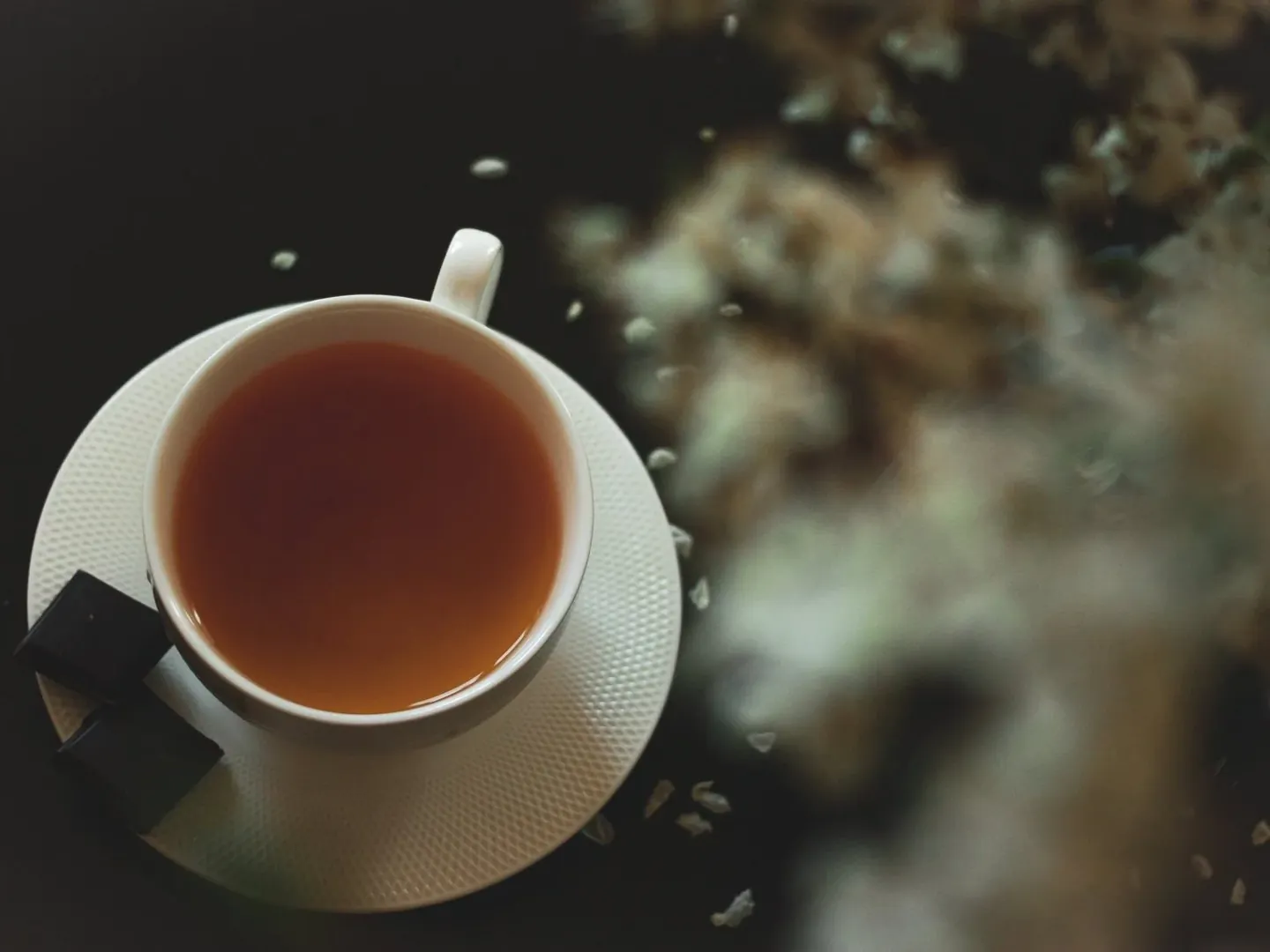
Choose the ingredients and caffeine level for the time of day, make the spice intensity comfortable, and give yourself a few minutes to enjoy the cup. Let it follow a nourishing meal rather than stand in for one.
A mind–body practice
A cup without a second task
While a familiar, well-tolerated tea or warm drink cools, let your hands rest around the cup. Notice its warmth, then three sounds in the room. Take one sip before returning to the day. There is nothing else to accomplish.