Autumn produce gives a kitchen plenty to work with: jewel-colored seeds, sweet roots, sturdy greens, and vegetables that become silky in the oven. Let color and appetite guide the basket.
- Pomegranate: scatter the arils over yogurt, roasted vegetables, or a grain bowl for tartness and crunch.
- Eggplant: roast until tender, then add lemon, tahini, and herbs. It brings texture and fiber rather than being an especially rich source of iron.
- Fennel: shave the bulb for salad or roast wedges until mellow. Keep the fronds for finishing a dish.
- Carrots: enjoy them raw, roasted, or in soup. Orange varieties provide beta-carotene, which the body can use to make vitamin A.
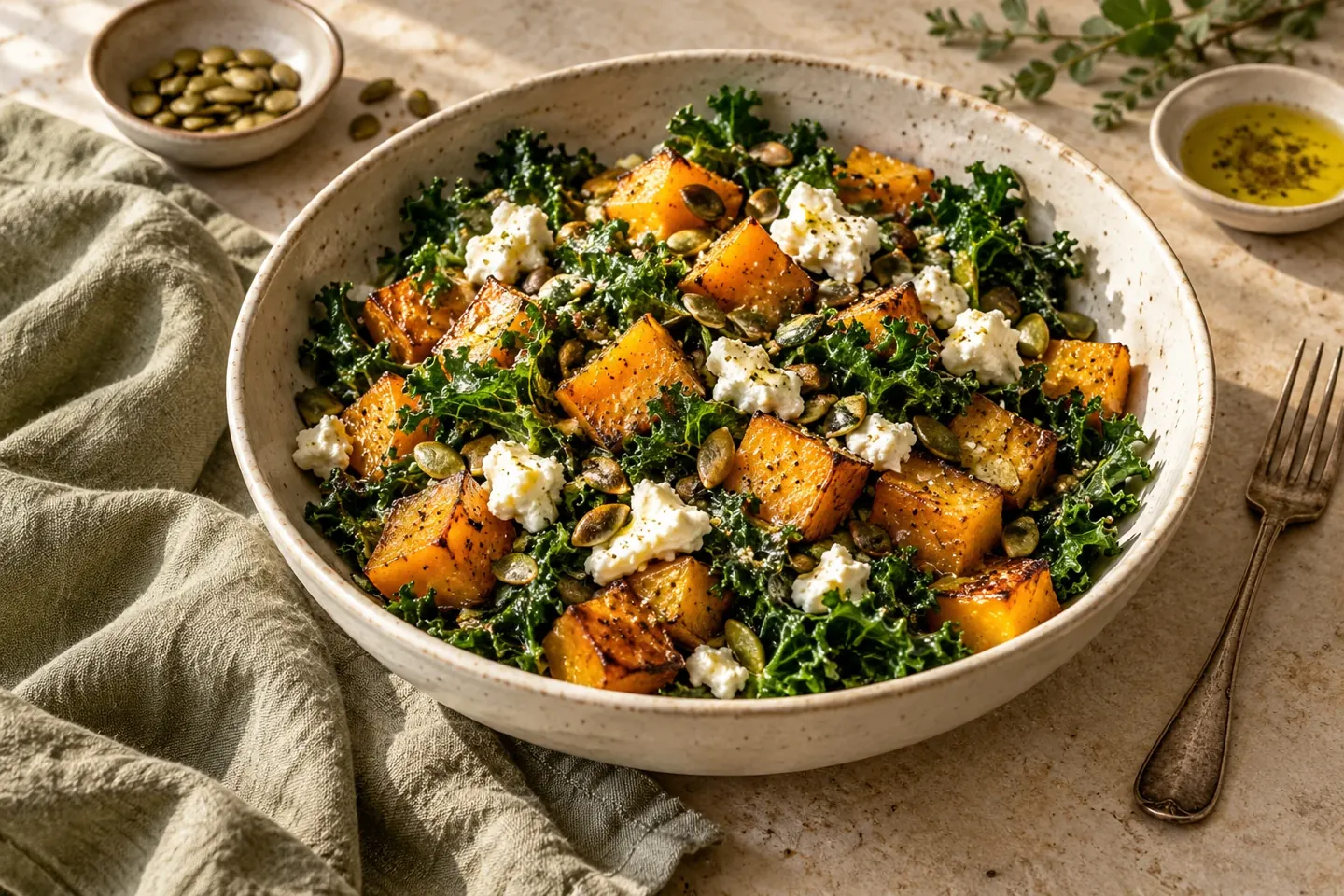
- Winter squash: roast a tray for meals throughout the week. Varieties differ in sweetness, texture, and nutrients.
- Pumpkin: choose plain purée for porridge, soup, or baking; the usefulness is not limited to dessert.
- Grapes: serve fresh with nuts or roast briefly for a warm salad. Whole fruit offers more fiber than juice.
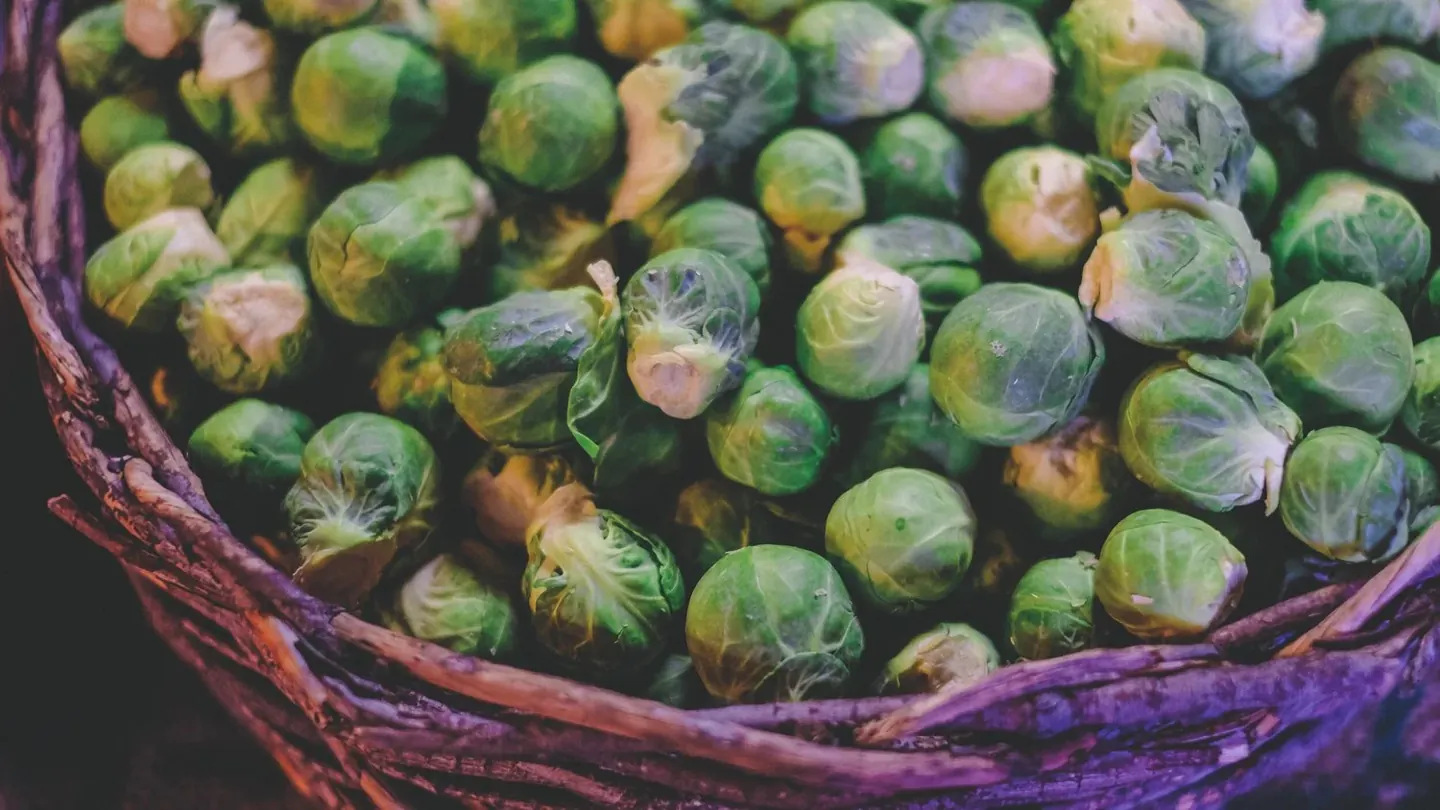
- Brussels sprouts: halve, roast, and finish with lemon or a little mustard dressing.
- Broccoli: steam until just tender, then add olive oil and toasted seeds.
Cook once, change the finish
A tray of roasted vegetables is a useful beginning, especially when you keep the seasonings simple. Arrange pieces in a single layer so they roast instead of crowding and steaming. Different vegetables may finish at different times, so use separate trays or remove tender pieces as they are ready.
Three ways to serve the same tray
- Fold warm squash and carrots into cooked grains with chickpeas, parsley, and a lemon dressing.
- Serve room-temperature roasted vegetables over leaves, adding pomegranate and a few seeds for contrast.
- Blend suitable leftovers with broth for a soup, then adjust the consistency and seasoning.
Keep something crisp alongside the softer vegetables: shaved fennel, an apple, or a handful of fresh leaves. Texture can make a familiar meal feel newly appealing without requiring another long recipe.
When shopping, choose quantities that fit your actual week. A whole squash keeps differently from cut greens, and an ambitious basket can become food waste if every ingredient needs attention at once. Let one ingredient be the project and allow the rest to be easy. Seasonal eating is more enjoyable when there is still room to change your mind about dinner.
Think in combinations
A plate of roasted squash and chickpeas, a crunchy fennel salad, or broccoli folded into grains can turn a market find into a satisfying meal. Add protein and enough overall food; vegetables need not carry the whole plate alone.
Seasonality depends on where you live. Frozen options and produce grown elsewhere remain useful when local choices are limited. The goal is an enjoyable variety, not a perfect harvest calendar or a medicinal claim for every ingredient.

Put it into practice
Naturopathic foundations
What is a practical way to bring fall foods into my meals?
Choose one seasonal vegetable and prepare it in a way you already enjoy. Add beans, grains, eggs, fish, tofu, or another familiar protein to make the meal complete. Keep the season as an invitation to variety, not a list of foods you must buy.
Functional tests to consider
Eating well begins on the plate. If you are also investigating metabolic risk, these tests can help put the longer-term pattern in context.
HbA1c & fasting glucose
These help evaluate blood-sugar patterns when metabolic risk, increased thirst, frequent urination, or other clinical clues warrant testing. A1c gives a longer view; a fasting glucose is a point-in-time measurement. Anemia and other conditions can affect A1c.
Lipid panel, with ApoB when useful
For a cardiovascular or longevity review, begin with the lipid pattern and the whole risk picture. ApoB can add information in selected situations, particularly when triglycerides or metabolic risk complicate the picture. It is not a test of whether one food is working.
A mind–body practice
The first three bites
Put the screen away and place both feet on the floor. Before eating, notice the color and scent of the food. Take the first three bites slowly enough to notice their texture, then check in with hunger and comfort.
A little more clarity
Can a single food replace a whole-food eating pattern?
No single ingredient has to carry the whole meal. Look for enough food, a source of protein, varied plants, and a pattern that fits your life. Laboratory results describe specific health questions, not the virtue of an individual food.