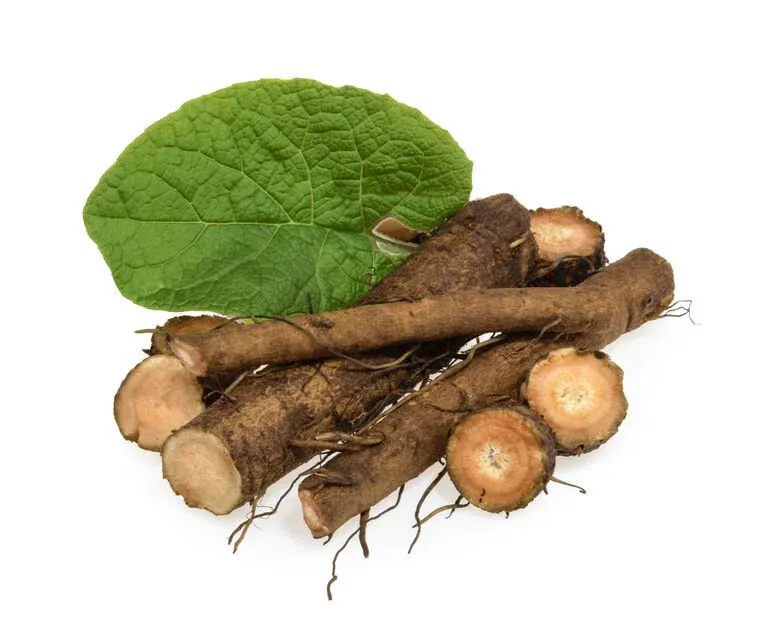
Burdock is an unassuming-looking root with a surprisingly elegant flavor: earthy, slightly sweet, and especially good beside sesame, ginger, or a crisp apple. Often sold as gobo, it brings texture and a little culinary adventure to an otherwise familiar meal.
Start with something delicious
Look for food-grade burdock from a knowledgeable supplier. Scrub it well, trim it, and slice it thinly. Sauté it with carrots, finish with toasted sesame, or let it simmer in a vegetable soup. Its firm texture is part of the pleasure, so taste as it cooks and stop when it suits you.
For a brighter pairing, apple and a small amount of burdock can make an interesting fresh juice. Treat it as a drink alongside food; eating the root keeps more of its fiber. Start with a small portion if it is unfamiliar, especially if your digestion is sensitive. Keep preparation clean and use ingredients intended for food.
A pan of burdock, carrots, and sesame
This is a flexible side dish rather than a strict recipe. The idea is to cut the roots to a similar size so they cook evenly, then build flavor in layers.
- Scrub and trim food-grade burdock and a carrot. Cut both into fine matchsticks or very thin slices.
- Warm a little oil in a wide pan. Add the roots and stir until they begin to soften, adding a splash of water if they catch before becoming tender.
- Add finely grated ginger and a small splash of soy sauce or a suitable alternative. Toss until the vegetables are coated, then taste before adding more seasoning.
- Finish with toasted sesame seeds, if tolerated, and serve warm with rice and a protein you enjoy.
Keep a little bite in the vegetables if that is your preference. Leftovers can become part of a grain bowl; the point is to make a new ingredient feel useful across more than one meal.
A familiar pairing, with room to play
I have enjoyed burdock juiced with apple—the sweetness softens the root's earthy edge. The pairing is bright, a little earthy, and easy to adjust to taste. You might prefer the root cooked, or a tiny amount of ginger in the drink. Let taste guide the choice, and avoid turning an enjoyable food experiment into a rule about what your skin needs every week.
The skin connection
Burdock's history in herbal skin care has inspired laboratory research into its compounds. A 2020 study explored a peptide fraction from the root, including antibacterial activity and preliminary testing. The work suggests avenues for further research; it does not yet show that drinking burdock juice or taking a capsule clears acne. An isolated fraction is a different preparation from the root on your chopping board.
For everyday skin care, that leaves room for a useful distinction: enjoy burdock as one more plant in a varied diet, and choose skin products according to how your skin actually responds. The kitchen version can be satisfying without needing a “detox” explanation.
A few thoughtful boundaries
Avoid foraging from an internet photograph; correct identification and an uncontaminated growing site matter. Medicinal-dose safety during pregnancy and breastfeeding is not established. Stop a product if it causes itching or swelling, and seek individual care for deep, painful acne, scarring, or a persistent rash. A good ingredient can earn its place on flavor alone.
Put it into practice
Naturopathic foundations
How can burdock fit into an inside-out skin routine?
Bring the earthy root into a meal if it suits you, while tending to the wider pattern: enough protein, varied plants, regular bowel habits, and sleep. For persistent skin changes, notice the timing, product exposures, and any digestive or cycle symptoms.
Functional tests to consider
When persistent skin changes travel with cycle changes, fatigue, or metabolic symptoms, the broader pattern can guide testing. The skin examination and product history come first.
HbA1c & fasting glucose
These help evaluate blood-sugar patterns when metabolic risk, increased thirst, frequent urination, or other clinical clues warrant testing. A1c gives a longer view; a fasting glucose is a point-in-time measurement. Anemia and other conditions can affect A1c.
TSH & free T4
Consider these when ongoing fatigue, cold intolerance, constipation, changing weight, or cycle changes suggest a thyroid question. Thyroid antibodies can add context when autoimmune thyroid disease is suspected. Supplements, medications, and timing matter when interpreting results.
A mind–body practice
A kinder moment at the mirror
Set down the magnifying mirror. Apply a familiar moisturizer with a light touch, noticing temperature and texture. Unclench your jaw. Name one thing your body allowed you to do today that has nothing to do with its appearance.
A little more clarity
When are laboratory tests useful for persistent skin changes?
Testing is most useful when there are clues beyond an isolated blemish: changing cycles, unexpected hair growth, fatigue, or other symptoms. Start with the question you want to answer and choose the test accordingly. A new or changing lesion needs a direct skin assessment.
For education and reflection. Individual needs vary. For persistent symptoms or personal guidance, seek additional care from a qualified clinician or appropriate specialist.
References
- Anti-Acne Action of Peptides Isolated from Burdock Root—Preliminary Studies and Pilot Testing (2020) · Laboratory and preliminary pilot research