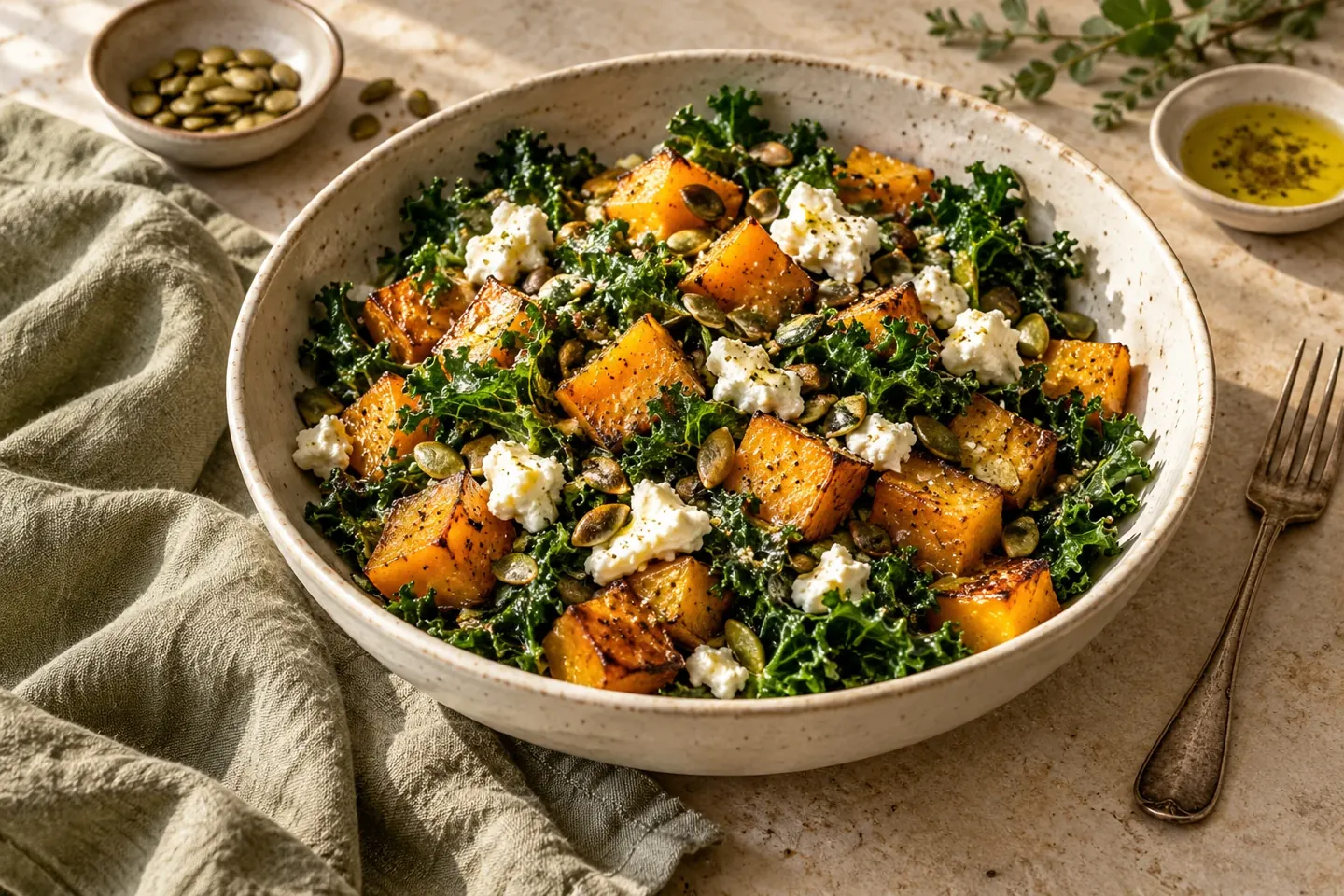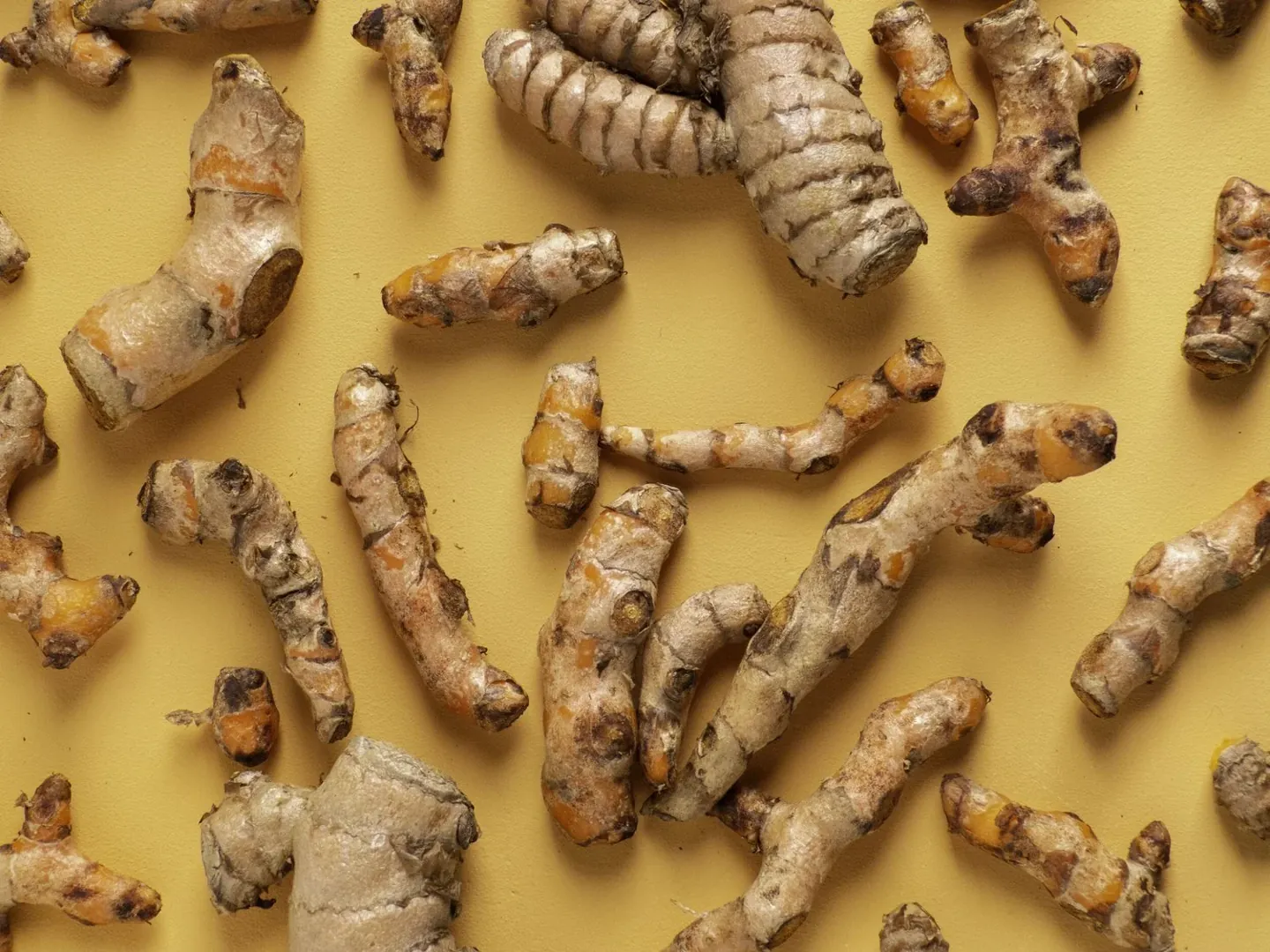
A spoonful of turmeric in a pot of lentils. Rosemary warmed in olive oil. Cinnamon caught in the steam above breakfast. Spices are a small investment in making everyday food more pleasurable, and pleasure is useful when you want a habit to last.
Turmeric: warmth and color
Curcumin is one of turmeric's studied compounds. Research on concentrated preparations continues, but findings from a supplement or laboratory experiment do not establish that a pinch of spice treats cancer, prevents Alzheimer's disease, or clears an infection.
Use turmeric where its earthy flavor works: soups, beans, rice, or roasted vegetables. Concentrated curcumin products are a different decision, especially formulations designed to increase absorption. Some have been linked to liver injury. If a supplement causes dark urine, yellowing of the eyes, or unusual fatigue, stop it and seek advice promptly.
Rosemary: a little goes far
Chopped rosemary brings structure to potatoes, white beans, and lemony dressings. Its aromatic compounds are interesting to researchers, but culinary rosemary is not an established treatment for memory loss or yeast infections. Keep the leaf in the kitchen and do not swallow rosemary essential oil as a substitute.
Cinnamon: sweetness without a promise
Cinnamon can make oats, stewed fruit, or plain yogurt feel more fragrant and complete. Evidence does not support using it as a reliable treatment for diabetes or a way to balance sex hormones. Large or prolonged amounts of cassia cinnamon can deliver substantial coumarin, which is a concern for the liver.
Ordinary seasoning is different from taking large daily spoonfuls or capsules. Do not attempt the dry-powder cinnamon challenge; inhaling the powder can injure the lungs.
Build three small flavor habits
Keep a golden base
When making a familiar lentil or vegetable soup, try a small amount of turmeric with the other seasonings. Let the recipe guide the quantity, then taste the finished dish. A splash of something acidic or a spoonful of yogurt at the table can give the earthy flavor a brighter edge.
Finish with something green
Chop a small amount of culinary rosemary finely so it distributes through roasted vegetables or beans. The leaf is assertive, so begin lightly. If the stems are woody, remove them rather than leaving them in a dish where someone may bite down unexpectedly.
Make fruit feel like dessert
Add cinnamon to sliced apples or pears as they cook, or sprinkle a little over yogurt with fruit. You do not need a medicinal amount for the aroma to be noticeable. Let the spice help a simple food feel complete.
Keep the spice drawer useful
Choose containers that close well and keep labels visible. Smell a spice before adding it; if it no longer has much character, using a larger amount may make the dish dusty rather than flavorful. Buy quantities that suit how often you cook.
The distinction between culinary pleasure and concentrated supplementation is worth preserving. A recipe lets you learn an ingredient through taste and context. A supplement asks different questions about preparation, dose, interactions, and evidence. Both may use the same plant name, but the decisions are not the same.
Cook toward variety
Choose one familiar dish and change its seasoning this week. Let a spice help you enjoy more vegetables, legumes, or whole grains rather than treating it as a medicinal quota. If you use concentrated herbal products alongside medicines, check interactions. At the table, flavor can remain the leading benefit—and it is a substantial one.
Put it into practice
Naturopathic foundations
How can culinary herbs make everyday meals more inviting?
Keep a few flavors you love within reach and add them to familiar vegetables, beans, grains, or proteins. Let aroma and taste guide the amount. A well-used spice drawer can make a varied food routine easier to repeat.
Functional tests to consider
Eating well begins on the plate. If you are also investigating metabolic risk, these tests can help put the longer-term pattern in context.
HbA1c & fasting glucose
These help evaluate blood-sugar patterns when metabolic risk, increased thirst, frequent urination, or other clinical clues warrant testing. A1c gives a longer view; a fasting glucose is a point-in-time measurement. Anemia and other conditions can affect A1c.
Lipid panel, with ApoB when useful
For a cardiovascular or longevity review, begin with the lipid pattern and the whole risk picture. ApoB can add information in selected situations, particularly when triglycerides or metabolic risk complicate the picture. It is not a test of whether one food is working.
A mind–body practice
The first three bites
Put the screen away and place both feet on the floor. Before eating, notice the color and scent of the food. Take the first three bites slowly enough to notice their texture, then check in with hunger and comfort.
A little more clarity
Can a single food replace a whole-food eating pattern?
No single ingredient has to carry the whole meal. Look for enough food, a source of protein, varied plants, and a pattern that fits your life. Laboratory results describe specific health questions, not the virtue of an individual food.
For education and reflection. Individual needs vary. For persistent symptoms or personal guidance, seek additional care from a qualified clinician or appropriate specialist.
References
- NCCIH: Turmeric · Authoritative evidence and safety guidance
- NCCIH: Cinnamon · Authoritative evidence and safety guidance