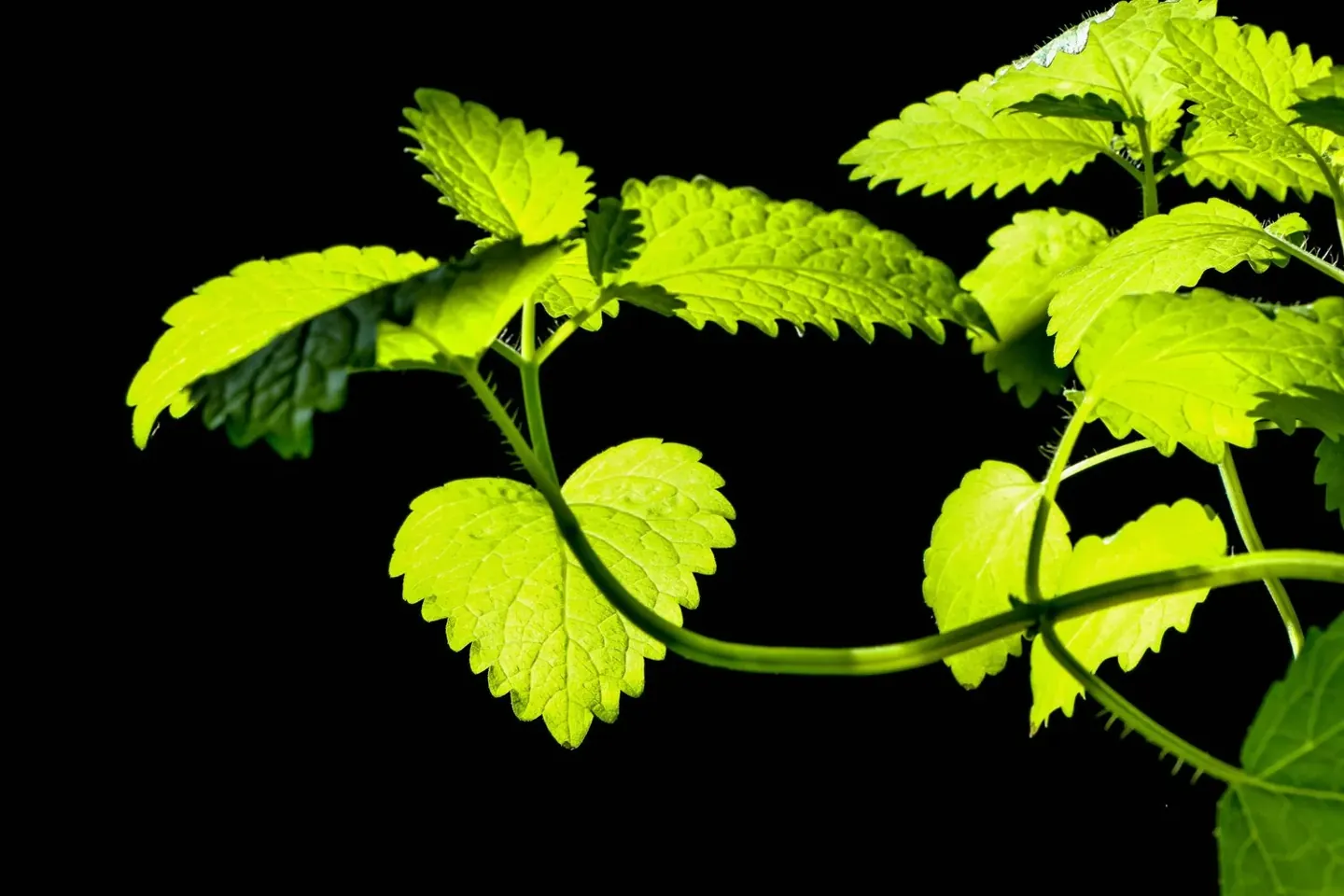
Brush a lemon balm leaf between your fingers and the garden seems to brighten. Melissa officinalis belongs to the mint family, with a fresh citrus scent that makes it especially appealing in an evening tea. Its abundance in Pacific Northwest gardens was what first drew me to it.
The traditional benefit
Lemon balm has a long history of use for mild stress, unsettled sleep, and digestive discomfort such as bloating. The European Medicines Agency recognizes these uses on the basis of longstanding tradition. That distinction is useful: it acknowledges a plant's history without suggesting that a cup of tea has been proven to treat an anxiety disorder.
Small human studies of particular preparations have explored mood and cognition, but differences in extracts, doses, and study design make confident conclusions difficult. We cannot translate a result from a standardized product directly into a garden infusion, or promise better memory from regular use. There is room to enjoy the plant while letting the evidence remain unfinished.
A simple evening practice
Choose correctly identified leaves from a trusted food or herbal supplier. Prepare tea according to the product directions, cover the cup while it steeps, and let the scent become part of the pause. Fresh leaves also work beautifully as a culinary accent in chilled water or alongside summer fruit.
Give the ritual some breathing room: dim a bright light, put away the day's messages, and sit down to drink it. If you are tracking sleep, note how you feel over several evenings without assuming that every change comes from the herb. A calmer schedule and a consistent bedtime may matter as much as what is in the cup.
Meet the leaf before the extract
The tea aisle can make one plant look like a dozen different interventions. A bag of dried leaf, an alcohol tincture, a capsule, and a blend containing several herbs each deserve their own reading. Check the Latin name, the plant part, the preparation, and the other ingredients. A reassuring picture of lemon leaves on the front does not tell you everything inside.
For a culinary experience, the fresh leaf is especially inviting. Add a few washed, correctly identified leaves to a jug of water, or finely chop them over berries just before serving. Start lightly and let the citrus aroma stay in balance with the food. Leaves from an ornamental planting are not automatically intended for eating.
Create a closing ritual
- Choose one small signal that work is finished: close the notebook, clear the mug, or put tomorrow's first task on paper.
- Prepare the tea according to its directions and let it cool until comfortable to drink.
- Sit somewhere with a view of something restful—a window, a plant, or a single lamp.
- Notice the scent and warmth for a moment before reading or listening to anything.
The ritual can be five minutes long. It does not need to produce sleepiness to be successful; making a clear transition between activities is already useful. If the flavor is not for you, choose another beverage you enjoy. An evening routine should not depend on persuading yourself to like a particular herb.
For a persistent problem, describe what you actually want to improve. Difficulty falling asleep, waking repeatedly, and feeling anxious during the day are different experiences. That detail makes a conversation about any botanical much more productive.
Know your boundaries
Lemon balm can make some people drowsy. Check before combining medicinal preparations with sedatives or other medicines, and seek individual advice during pregnancy or breastfeeding. Persistent anxiety, low mood, or sleep difficulty deserves a broader conversation. The most helpful role for this fragrant leaf may be a modest one: making a restful routine easier to return to.
Put it into practice
Naturopathic foundations
How can a lemon-balm ritual support a quieter evening?
Make the pause real: set aside the phone, sit down, and let the workday end before reaching for another task. If lemon balm is appropriate for you, enjoy a familiar preparation. Regular meals and a protected bedtime remain the larger foundation.
Functional tests to consider
A stressful season and a new physical symptom deserve to be understood together. Start with recovery and daily demands, and investigate persistent fatigue or other symptoms rather than assuming the cause.
CBC, ferritin & iron studies
A useful conversation when fatigue, heavy periods, hair shedding, or a restrictive diet raises the question of iron deficiency. Ferritin belongs alongside the blood count and the wider clinical picture; inflammation can raise it.
TSH & free T4
Consider these when ongoing fatigue, cold intolerance, constipation, changing weight, or cycle changes suggest a thyroid question. Thyroid antibodies can add context when autoimmune thyroid disease is suspected. Supplements, medications, and timing matter when interpreting results.
A mind–body practice
A cup without a second task
While a familiar, well-tolerated tea or warm drink cools, let your hands rest around the cup. Notice its warmth, then three sounds in the room. Take one sip before returning to the day. There is nothing else to accomplish.
A little more clarity
Does feeling stressed mean I need cortisol testing?
Not automatically. Cortisol testing answers specific clinical questions about hormone excess or deficiency. For ongoing exhaustion, a broader history and targeted tests such as iron or thyroid studies may be more informative than labeling every stress pattern an adrenal problem.
For education and reflection. Individual needs vary. For persistent symptoms or personal guidance, seek additional care from a qualified clinician or appropriate specialist.
References
- EMA: Melissae folium · Regulatory herbal monograph; traditional use