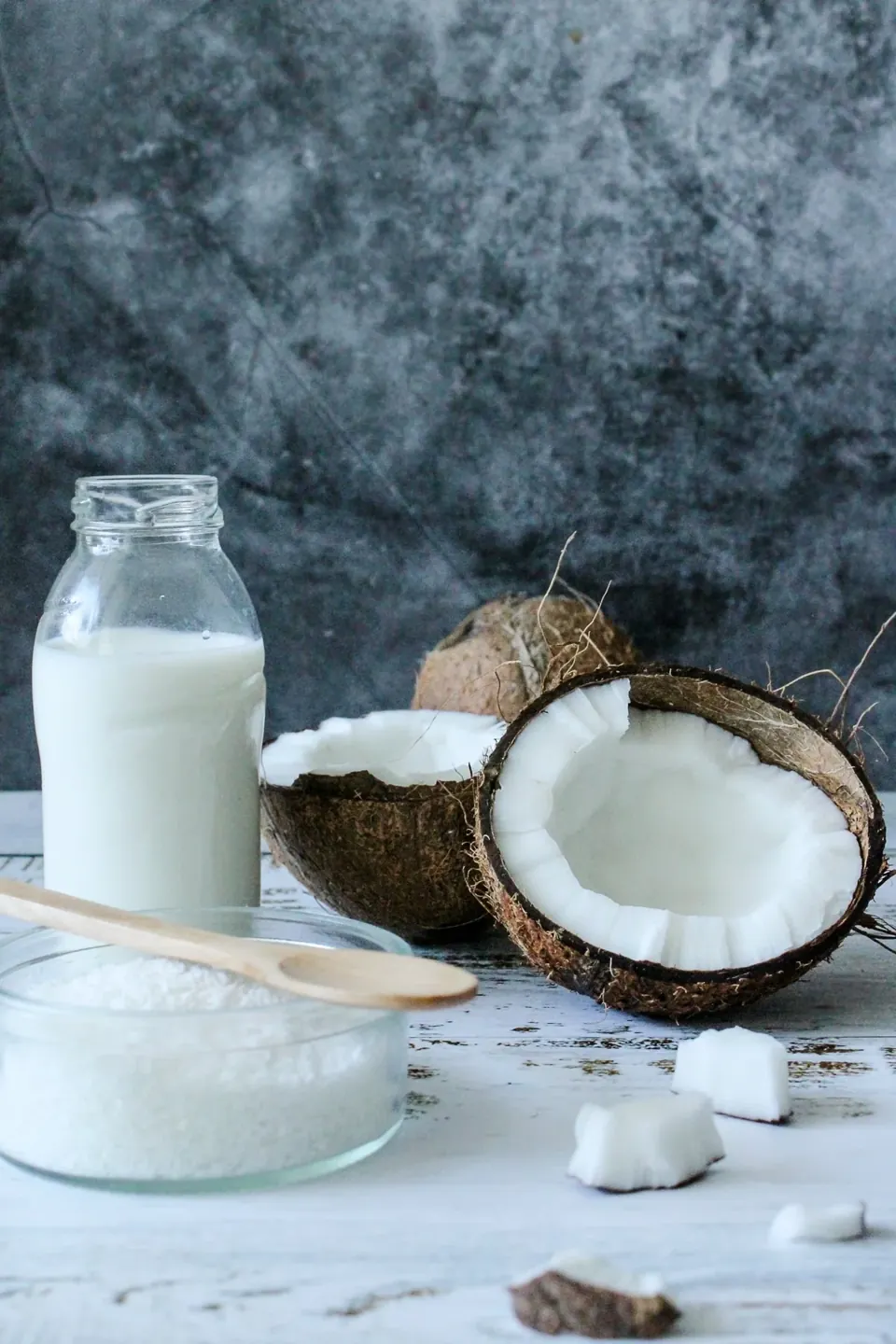
Coconut does texture exceptionally well. A spoonful of milk makes soup silky; toasted flakes finish a bowl of oats; fresh flesh brings a satisfying chew. The easiest way to enjoy it intelligently is to stop treating every coconut product as the same food.
Know what is in the carton
Coconut water is the liquid inside the fruit. It contains potassium and some natural sugar, and can be a pleasant drink. It is not automatically a better hydration choice than water, and its electrolyte profile is not the same as an oral rehydration solution.
Coconut milk and cream are made from the flesh and are rich, flavorful cooking ingredients. A refrigerated coconut beverage is usually much more diluted and may have added nutrients or sugar. Read the label if you are counting on it for calcium or protein.
Coconut flesh supplies fiber along with fat. Coconut oil is almost entirely fat and contains little of the fiber or other nutrients in the whole food.
The MCT distinction
Commercial MCT oil is usually concentrated in specific medium-chain fats. Ordinary coconut oil has a different fatty-acid profile, with substantial lauric acid, so results from MCT studies cannot simply be applied to a spoonful of coconut oil.
Clinical evidence also does not support the claim that coconut oil has no effect on cholesterol. Across trials, it tends to raise LDL cholesterol compared with non-tropical unsaturated vegetable oils. It can raise HDL, too, but that does not cancel the LDL effect. Enjoy it where its flavor or texture matters, while keeping unsaturated oils among your everyday choices.
Choose the version the recipe needs
A can of coconut milk and a carton of coconut beverage can sit beside each other in a shop while doing completely different work in the kitchen. The canned version gives a curry or soup its body. The drinkable version is useful where you want a lighter liquid. Swapping one for the other without adjusting the recipe can change both texture and flavor dramatically.
For something savory
Try a modest pour of coconut milk in a pot of cooked lentils, then finish with lime, fresh herbs, and a pinch of salt to taste. Its richness becomes part of a larger meal. If a sauce feels too heavy, add water or stock a little at a time; if it tastes flat, check the acid and seasoning before adding more coconut.
For crunch and fragrance
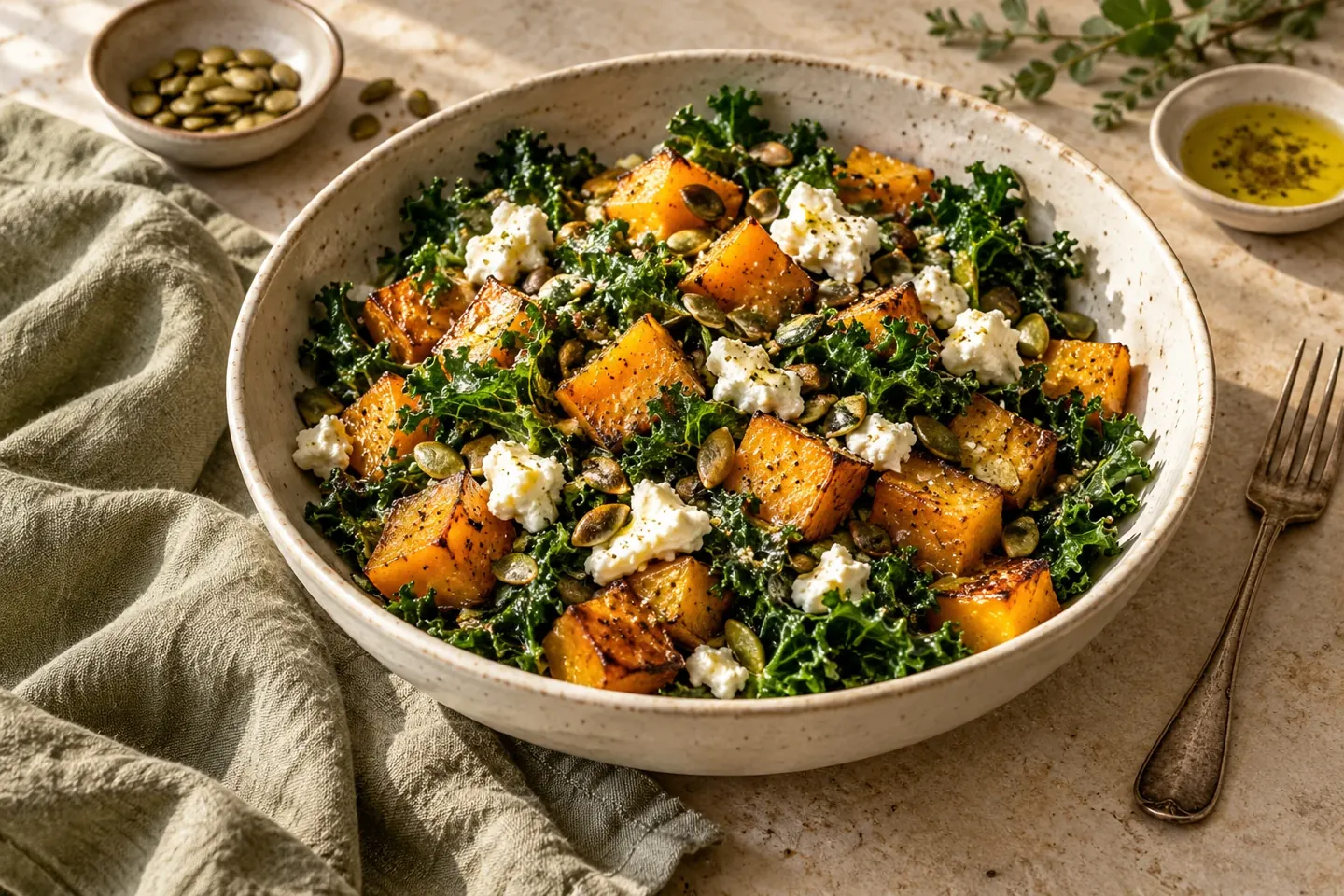
Toast unsweetened flakes in a dry pan over gentle heat, stirring and watching closely. Let them cool before scattering over oats, fruit, or a bowl of roasted vegetables. A small amount gives you the aroma and contrast that make the ingredient special.
Store opened products according to their labels, and remember that a carton with added calcium needs to be evaluated differently from an unfortified one. Coconut's pleasure is in those specific uses: creamy here, crisp there, delicately sweet somewhere else. Choosing for the dish makes much more sense than expecting one form to deliver every benefit associated with the whole fruit.
Use a little, enjoy it fully
Finish lentil soup with coconut milk and lime, toast unsweetened flakes for a garnish, or add a small amount of oil to a recipe that needs its particular texture. For skin or hair, some people enjoy coconut oil as an emollient; patch-test and stop if it irritates or worsens breakouts. A food can be useful and delicious without being a germ fighter or a metabolic shortcut.
Put it into practice
Naturopathic foundations
How can I use coconut while keeping dietary variety?
Enjoy coconut for the texture it brings to a dish, then keep a range of fats and protein sources in the week. Olive oil, nuts, seeds, and other foods can share the table. Choose the portion and preparation for the meal rather than treating every coconut product as interchangeable.
Functional tests to consider
Eating well begins on the plate. If you are also investigating metabolic risk, these tests can help put the longer-term pattern in context.
HbA1c & fasting glucose
These help evaluate blood-sugar patterns when metabolic risk, increased thirst, frequent urination, or other clinical clues warrant testing. A1c gives a longer view; a fasting glucose is a point-in-time measurement. Anemia and other conditions can affect A1c.
Lipid panel, with ApoB when useful
For a cardiovascular or longevity review, begin with the lipid pattern and the whole risk picture. ApoB can add information in selected situations, particularly when triglycerides or metabolic risk complicate the picture. It is not a test of whether one food is working.
A mind–body practice
The first three bites
Put the screen away and place both feet on the floor. Before eating, notice the color and scent of the food. Take the first three bites slowly enough to notice their texture, then check in with hunger and comfort.
A little more clarity
Can a single food replace a whole-food eating pattern?
No single ingredient has to carry the whole meal. Look for enough food, a source of protein, varied plants, and a pattern that fits your life. Laboratory results describe specific health questions, not the virtue of an individual food.
For education and reflection. Individual needs vary. For persistent symptoms or personal guidance, seek additional care from a qualified clinician or appropriate specialist.
References
- The Effect of Coconut Oil Consumption on Cardiovascular Risk Factors (2020) · Systematic review and meta-analysis of clinical trials
- Randomised trial of coconut oil, olive oil or butter on blood lipids (2018) · Randomized human trial