Around two in the afternoon, I often want something small: enough to carry me toward dinner without turning a snack into another full meal. A handful of nuts remains one of the simplest answers. They travel well, require almost no preparation, and bring the kind of richness that makes a pause feel satisfying.
A little variety goes a long way
Almonds offer crunch, vitamin E, and fiber. Cashews bring a softer texture and minerals, including copper and magnesium. Walnuts supply the plant omega-3 fat alpha-linolenic acid, or ALA. The body converts only a limited amount of ALA into the longer-chain omega-3s EPA and DHA, so these foods have different nutritional roles.
The appealing thing about nuts is the package: unsaturated fats, protein, and fiber together. They can take the place of a snack you find less satisfying, or add substance to fruit, yogurt, and salads. No one variety needs to carry the entire burden of protecting your heart or improving your memory.
Brazil nuts deserve a smaller portion
Brazil nuts are exceptionally rich in selenium, and their content varies with growing conditions. That makes them a food to enjoy sparingly rather than a precisely measured thyroid supplement. Repeatedly eating large handfuls, especially alongside a selenium-containing supplement, can deliver too much. More of a nutrient is not always more beneficial.
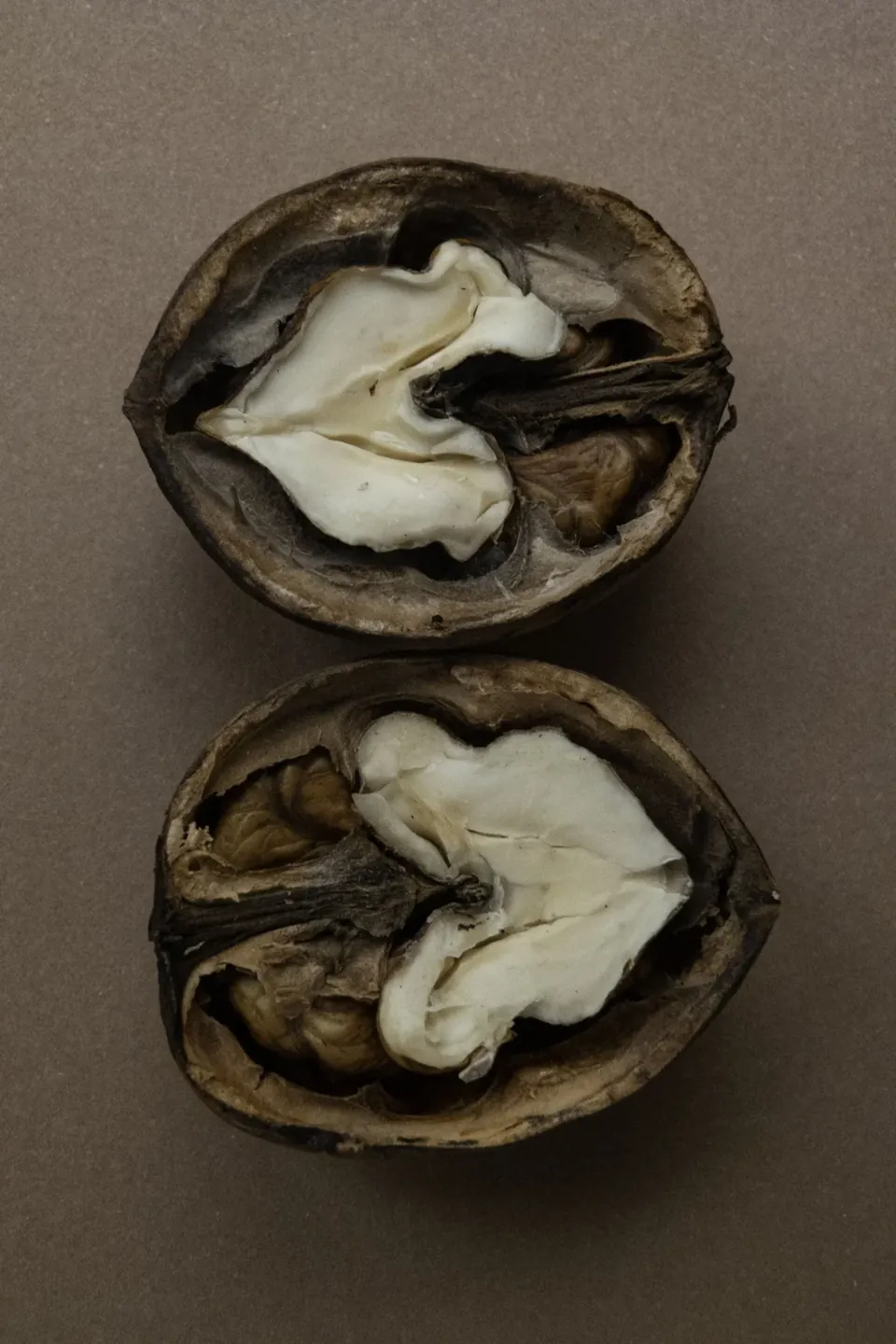
Think of the mix as an invitation to variety. Toasted almonds bring structure, cashews add creaminess, and walnuts offer a pleasantly bitter edge. The resemblance between a walnut and a brain is a lovely botanical observation, though it does not establish a neurological benefit. The real nutritional story is how these foods fit into the meals and snacks you already enjoy.
Build a mix with a little contrast
A good snack does not need much engineering. Choose two nuts with different textures, then add something fresh alongside them. Almonds with a ripe pear, walnuts with a few grapes, or cashews beside crisp cucumber can feel more interesting than a bag eaten on autopilot. A bowl also makes it easier to enjoy what you have chosen rather than continuously reaching into a large packet.
If a plain mix feels predictable, warm a small quantity of almonds, cashews, or walnuts briefly in a dry pan, stirring and watching closely. Let them cool before storing. Add a light dusting of cinnamon for breakfast, or chopped rosemary and a small pinch of salt for something savory. There is no need to include Brazil nuts in the same generous handful.
Take the snack into a meal
- Chop walnuts into a lentil salad for contrast with the soft beans.
- Scatter sliced almonds over roasted vegetables just before serving.
- Use cashews as a finishing texture for a bowl of rice and greens.
- Stir a tolerated nut butter into porridge when whole nuts are not the texture you want.
For young children or anyone with chewing or swallowing difficulties, whole nuts can be a choking risk; choose an age-appropriate form and appropriate guidance. Where appropriate, smooth nut butter can be thinly spread on food or stirred into it; a thick spoonful can also be a choking hazard.
Think beyond the afternoon slump, too. If you are regularly ravenous at two, the most helpful change may be a more satisfying lunch. Nuts can bridge meals, but they do not need to compensate for a day in which you have not had enough to eat.
Make it a snack you enjoy
Start with a small handful and add a piece of seasonal fruit if you want more. Choose plain or lightly roasted nuts, then season them yourself with cinnamon or a little rosemary. Store them sealed in a cool place so their oils stay fresh. For anyone with a nut allergy, choose a tolerated alternative and check cross-contact labels; a beautiful snack should also feel easy to trust.
Put it into practice
Naturopathic foundations
What makes nuts a useful part of an afternoon snack?
Keep a portion of nuts you enjoy within reach, and add fruit or another food if you need more. Notice whether lunch was substantial enough in the first place. A snack is part of nourishing the day, not a test of how little you can eat.
Functional tests to consider
Eating well begins on the plate. If you are also investigating metabolic risk, these tests can help put the longer-term pattern in context.
HbA1c & fasting glucose
These help evaluate blood-sugar patterns when metabolic risk, increased thirst, frequent urination, or other clinical clues warrant testing. A1c gives a longer view; a fasting glucose is a point-in-time measurement. Anemia and other conditions can affect A1c.
Lipid panel, with ApoB when useful
For a cardiovascular or longevity review, begin with the lipid pattern and the whole risk picture. ApoB can add information in selected situations, particularly when triglycerides or metabolic risk complicate the picture. It is not a test of whether one food is working.
A mind–body practice
The first three bites
Put the screen away and place both feet on the floor. Before eating, notice the color and scent of the food. Take the first three bites slowly enough to notice their texture, then check in with hunger and comfort.
A little more clarity
Can a single food replace a whole-food eating pattern?
No single ingredient has to carry the whole meal. Look for enough food, a source of protein, varied plants, and a pattern that fits your life. Laboratory results describe specific health questions, not the virtue of an individual food.
For education and reflection. Individual needs vary. For persistent symptoms or personal guidance, seek additional care from a qualified clinician or appropriate specialist.
References
- NIH ODS: Selenium—Health Professional Fact Sheet (2025) · Authoritative evidence and safety guidance
- NIH ODS: Omega-3 Fatty Acids · Authoritative evidence and safety guidance
- CDC: Choking Hazards—Infant and Toddler Nutrition (2026) · Authoritative food-safety guidance