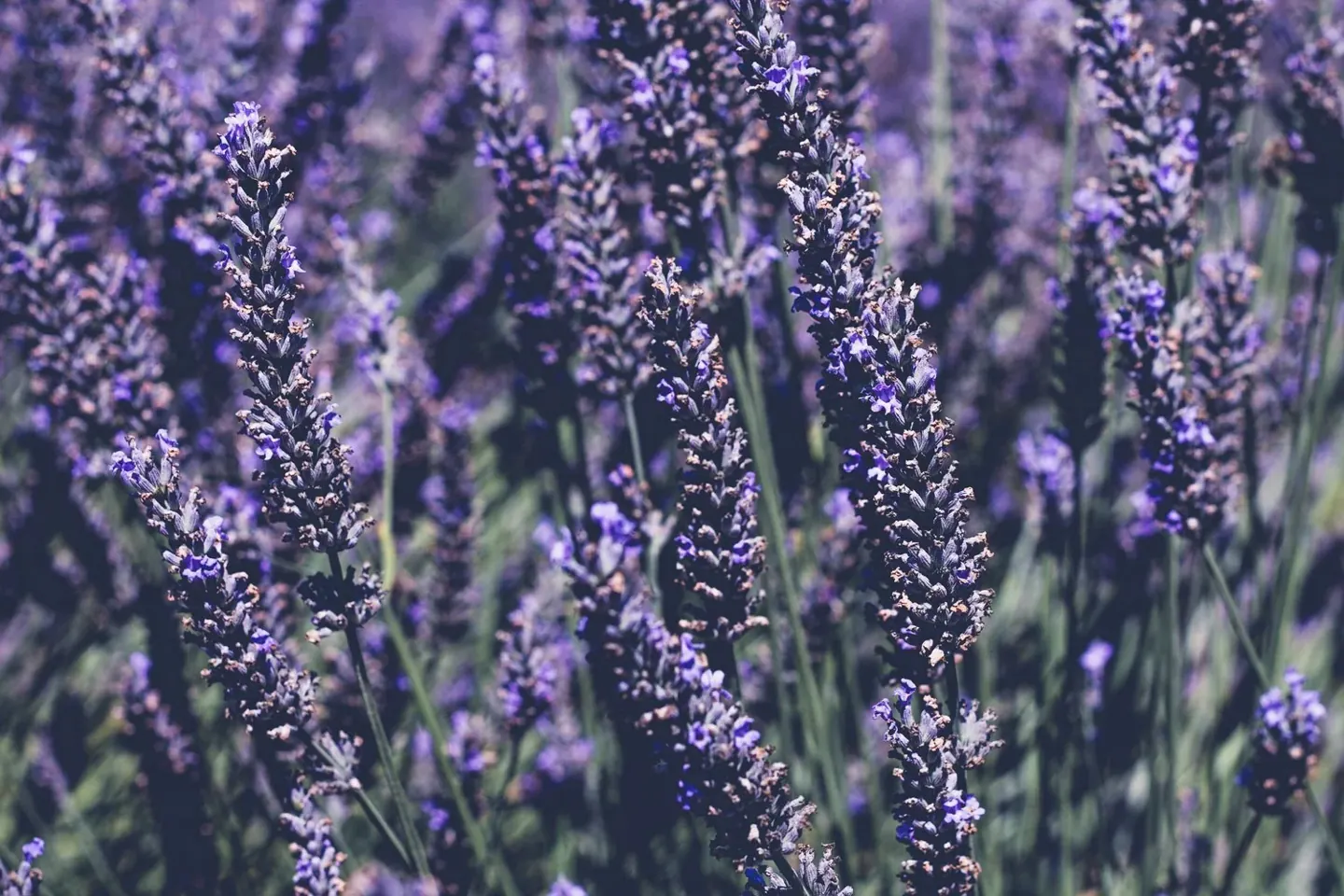
Lavender is one of my favorite plants: the color, the scent, the way a small amount can change the character of a whole dish. At the height of its season, it is tempting to bring it into everything. A lighter hand usually makes the most of it.
Start in the kitchen
Choose lavender sold for culinary use, then try a small pinch in honey, a citrus dressing, or a pitcher of lemonade. Too much can taste soapy; the aim is a floral suggestion rather than a perfume. Food-grade dried flowers and essential oil are different products. Do not add essential oil to tea or cooking simply because it comes from an edible plant.
A scent that signals rest
Some people find lavender's aroma relaxing. Studies of aromatherapy and particular oral lavender preparations have explored anxiety and sleep, but results and methods vary. Evidence for a standardized oral product does not establish that a homemade tea or bath will have the same effect.
It is reasonable to enjoy the fragrance as part of winding down. A small sachet near a reading chair, or a properly formulated product used as directed, may be all the ceremony you need. If the smell causes coughing, headache, or irritation, choose a scent-free version of the ritual.
Bring the garden to the table
Lavender works best when you can still taste the food around it. Begin with a tiny pinch of culinary dried flowers, then taste before adding more. The flavor should arrive as a suggestion, especially in savory food, where too much can overwhelm an otherwise simple dish.
A floral spoonful
Crush a few culinary flowers and stir a small amount into honey you plan to use with the meal. Spoon a little over yogurt or ripe fruit, then add lemon zest if you want a brighter finish. Avoid making large, untested shelf-stable infusions; a small portion prepared for the moment is enough. Honey is not suitable for infants under one year.
A summer drink
Use a tested culinary lavender-lemonade recipe, or add a little cooled lavender tea prepared according to its food-product directions to your usual lemonade. Taste as you go. Plenty of ice and a thin lemon slice can provide all the presentation you need.
A quieter bedside
A dry sachet can be an optional sensory cue, kept where children and pets cannot reach it. It need not be directly beside your face or strong enough to fill the room. Notice whether you actually enjoy the scent at night; the same fragrance may feel different when you are trying to sleep.
The garden itself is another way to spend time with lavender. Observe the stems, the different shades in the flowers, and the way the plant changes as it dries. A botanical can become part of daily life through cooking, looking, and tending, without every encounter needing to be a treatment.
Give essential oils their own rules
Essential oils are concentrated. Use only products intended for the route you choose, follow dilution directions, and avoid eyes, mucous membranes, and broken skin. Do not pour undiluted oil into bathwater; it does not disperse evenly. Keep oils away from children and pets.
I tried using lavender against insects while traveling in Belize. That personal experience does not show reliable bite protection. Lavender should not stand in for a proven repellent when biting insects pose a health risk, or for appropriate care of an infected wound.
There is plenty to love without asking lavender to be an entire first-aid kit. Its most dependable gift may be how easily it makes an ordinary summer meal or evening pause feel special.
References & further reading
- NCCIH: Lavender · Authoritative evidence and safety guidance
- CDC: Foods and Drinks to Avoid or Limit—Honey Before 12 Months · Authoritative food-safety guidance
For education and reflection. Individual needs vary. For persistent symptoms or personal guidance, seek additional care from a qualified clinician or appropriate specialist.